There’s nothing quite like the sinking feeling of walking into your kitchen and finding water pooling under the sink. Or hearing that telltale drip in the middle of the night that turns into a full-blown leak by morning. Most plumbing disasters are completely avoidable with a little routine attention.
A bit of preventative plumbing maintenance goes a long way toward keeping your home dry, your water bills low, and your weekends free from emergency calls to a plumber. Let’s walk through some friendly tips any homeowner can tackle, even if you’ve never picked up a wrench before.
Why Plumbing Maintenance Matters More Than You Think
Small drips and slow drains are easy to ignore. They feel harmless. Yet those tiny problems add up fast, both in damage to your home and in your monthly utility bill.
According to the U.S. Environmental Protection Agency’s WaterSense program, the average household’s leaks waste nearly 10,000 gallons of water every year. That’s enough to wash about 270 loads of laundry. Even more eye-opening, around ten percent of homes have leaks that waste 90 gallons or more per day.
Catching problems early means smaller repair bills. It also helps you avoid the kind of water damage that ruins flooring, drywall, and cabinets.
Your Year-Round Plumbing Care Playbook
Keeping your plumbing in good shape doesn’t take a weekend project or a fat repair budget. It comes down to small, consistent habits that catch trouble early and keep everything running the way it should.
Think of this as your friendly checklist. A few minutes here and there throughout the year can spare you from costly repairs, water damage, and middle-of-the-night plumbing surprises.
Hunt Down Leaks Before They Get Worse
Check every faucet, showerhead, and visible pipe once a season. Look under sinks with a flashlight. Feel around for moisture or warped wood. A slow leak under the bathroom vanity can rot the cabinet floor before you ever spot a puddle.
Toilets are sneaky culprits, too. Add a few drops of food coloring to the tank and wait about 10 minutes before flushing. If color shows up in the bowl, you have a leak. The EPA notes that repairing these small issues can knock around 10 percent off your water bill.
Keep Your Drains Flowing Freely
Slow drains are your home’s way of waving a red flag. Hair, soap scum, grease, and food bits build up over time. Once they lock together, you’re headed straight for a full clog.
A simple monthly habit can save you a lot of trouble. Pour a half cup of baking soda down each drain, followed by a cup of white vinegar, and let it bubble for fifteen minutes. Rinse with hot tap water. This gentle method clears buildup without harming your pipes or septic system.
Skip the harsh chemical drain cleaners when you can. They damage older pipes and rarely fix the underlying problem.
Show Your Water Heater Some Love
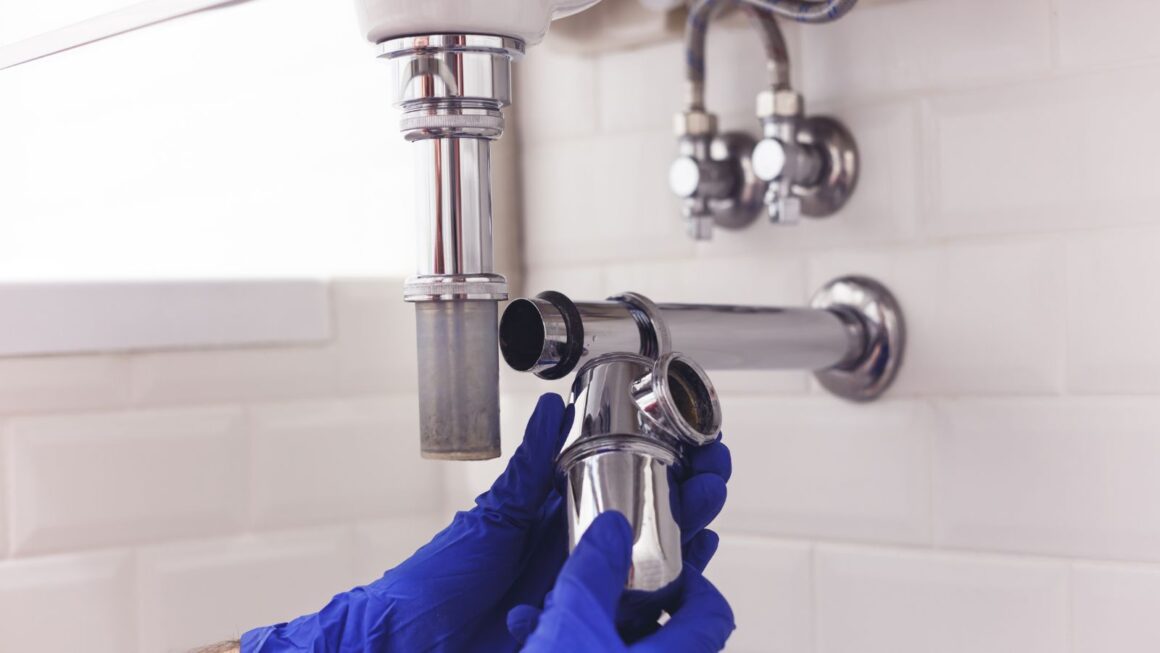
Your water heater works hard every single day, yet most homeowners completely forget about it until something goes wrong. Sediment builds up at the bottom of the tank over time, making the unit work harder and shortening its lifespan.
Once a year, drain a few gallons from the tank using the valve at the bottom. This flushes out sediment and keeps things running smoothly. While you’re down there, look around the base for any signs of rust, corrosion, or moisture.
Setting the temperature to 120°F is a smart move too; it prevents scalding and lowers your energy bill.
Know Where Your Main Shutoff Valve Is
This one tip alone can save you thousands of dollars. If a pipe ever bursts, every second counts. Knowing exactly where your main water shutoff valve sits, and how to turn it, can stop disaster in its tracks.
Take a few minutes today to find yours. It’s usually located near where the main water line enters your home, often in the basement, garage, or close to the water heater. Turn it once or twice to make sure it isn’t stuck or rusted shut. Show every adult in your household where to find it, too.
Watch What Goes Down the Drains
Your kitchen sink isn’t a garbage can, even if your disposal makes it feel like one. Coffee grounds, eggshells, pasta, rice, and grease cause some of the worst clogs plumbers see on a daily basis.
In bathrooms, the same logic applies. Wipes labeled “flushable” rarely break down the way regular toilet paper does. Cotton swabs, dental floss, and feminine products belong in the trash, never the toilet.
A drain strainer in your kitchen and shower drains catches debris before it becomes a problem. Tiny investment, huge payoff.
Don’t Forget Seasonal Plumbing Checks
Winter brings the biggest plumbing headaches. Frozen pipes can burst and flood a home in minutes. Before the first cold snap, disconnect garden hoses, shut off outdoor spigots, and insulate any exposed pipes in unheated spaces like garages or crawl spaces.
In spring, walk around the outside of your home and look for soft spots in the yard, which can hint at an underground leak. Check that gutters and downspouts are pointing water away from your foundation.
Fall is a great time to test your sump pump if you have one.
When to Call a Professional Plumber
Some jobs are perfect for a confident DIYer. Replacing a worn toilet flapper, swapping out a faucet aerator, or tightening a loose connection under the sink are weekend-friendly tasks. Other jobs call for a licensed plumber.
If you’re dealing with low water pressure throughout the whole house, sewer line backups, or anything involving gas lines, please don’t wing it. The cost of a service call is nothing compared to fixing a botched repair.
A good plumber can also do a yearly inspection. They’ll catch tiny issues you’d never spot on your own.
A Little Care Goes a Long Way
The homeowners who avoid plumbing disasters aren’t the ones with the newest pipes or the fanciest tools. They’re the ones who pay attention. Who listen. Who notice the slow drip, the soft floor, the unfamiliar sound, and act on it before it becomes a story they tell at dinner parties.
So set those seasonal reminders. Walk through your home with curious eyes. And trust your gut when something feels off. The midnight drip you catch tonight is the midnight flood you’ll never have to clean up. That’s a pretty good trade.