Quick Answer
Canadian winters force furnaces to run for extended periods under extreme thermal stress, accelerating wear on critical components like heat exchangers, blower motors, and ignition systems. By the time spring arrives, months of continuous cycling have reduced efficiency and increased the risk of hidden failures. Scheduling professional HVAC services in Calgary during spring allows technicians to identify winter damage before it causes costly breakdowns next season.
Introduction
Most homeowners assume their furnace is fine as long as it produces heat. The reality is that a system pushed through months of extreme cold accumulates invisible stress across every major component. This pattern reflects a broader issue in residential heating.
Systems that run at high capacity for six or more consecutive months experience accelerated wear on parts that would otherwise last years longer. For homeowners exploring HVAC services in Calgary, spring represents the most strategic window to catch these problems before they escalate into major expenses during the next cold season.
How Cold Weather Strains Residential Heating Systems
When outdoor temperatures drop below -20 degrees Celsius for days at a time, a furnace is no longer cycling on and off in manageable intervals. It runs nearly continuously, and that sustained operation creates mechanical stress that most homeowners never see until something fails.
Thermal Cycling and Heat Exchanger Stress
Every time a furnace ignites and shuts down, the heat exchanger expands and contracts. In moderate climates, this cycle may occur a few times per hour. During severe cold snaps, the frequency increases dramatically, and the metal fatigues faster under repeated thermal loading. Over the course of a full Canadian heating season, a heat exchanger can undergo thousands more expansion cycles than in milder regions.
The result is micro-cracking that may not be visible during a casual inspection but can allow flue gases, including carbon monoxide, to leak into the living space. This is one of the most serious safety concerns tied to post-winter system degradation.
Blower Motor and Ignition Wear
Extended run times also place enormous strain on the blower motor, which circulates heated air through the duct system. A motor designed to run intermittently is instead operating for hours without rest, leading to bearing wear, increased amperage draw, and eventual overheating. Ignition components face a parallel issue, with hot surface igniters becoming brittle after repeated heating cycles throughout the season.
Key components affected by prolonged winter operation include:
- Heat exchanger surfaces subjected to accelerated fatigue cracking
- Blower motor bearings worn from sustained high-speed operation
- Flame sensors coated in carbon buildup that causes ignition failure
- Air filters clogged beyond rated capacity, restricting airflow and raising static pressure
- Condensate drains in high-efficiency systems, where acidic moisture can cause corrosion if left unchecked
The Hidden Cost of Sealed Building Envelopes
Modern homes are built with tight building envelopes to improve energy efficiency, but this design creates an unintended consequence during winter. Reduced natural ventilation means the furnace recirculates the same indoor air repeatedly, pulling more dust, pet dander, and particulate through the system. Static pressure rises as filters load up faster than expected, forcing the blower to work harder and shortening its operational life.
In practice, a home with excellent insulation can actually accelerate furnace wear if filter replacement schedules are not adjusted for winter conditions.
Key Warning Signs and What Spring Inspections Uncover
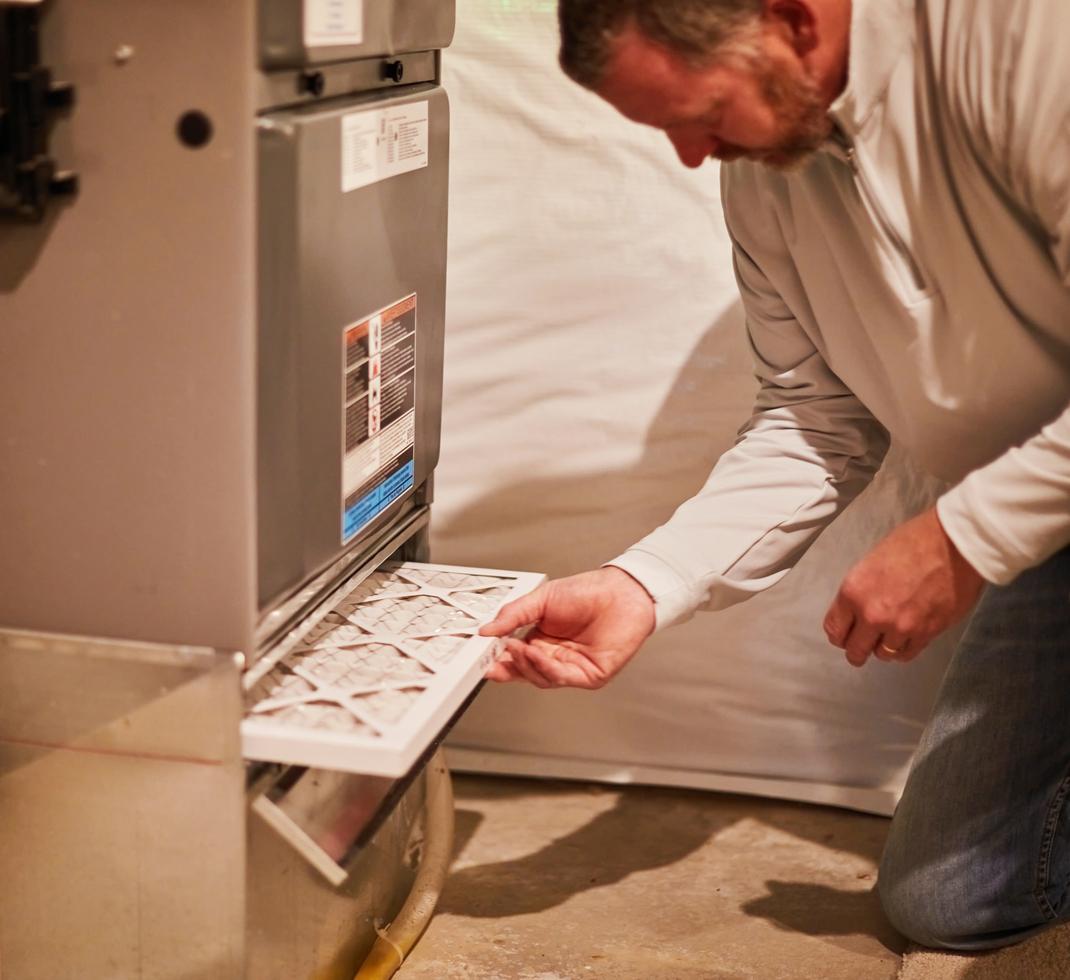
Spring is the ideal diagnostic window because the heating season has ended, yet the evidence of winter stress is still fresh across every major component. A trained technician can read the signs of seasonal degradation in ways that a homeowner simply cannot without specialized instruments.
Performance Red Flags to Watch For
Certain symptoms tend to appear in the final weeks of winter or the first days of spring, signalling that the system has absorbed significant wear. Homeowners should pay attention to the following indicators:
What a Professional Spring Inspection Covers
The value of working with qualified residential HVAC services becomes clear when comparing a basic filter swap to a full diagnostic evaluation.
|
Task |
DIY Check |
Professional Inspection |
|
Filter replacement |
Visual check and swap |
Measured static pressure before and after replacement |
|
Heat exchanger review |
Not accessible to homeowners |
Camera or mirror inspection for microcracks |
|
Combustion analysis |
Not possible without tools |
Gas pressure, flame quality, and CO output testing |
|
Blower motor evaluation |
Listening for odd sounds |
Amperage draw measurement and bearing assessment |
|
Condensate system check |
Visual scan for moisture |
pH testing of condensate and drain line clearance |
A thorough spring assessment from qualified heating and cooling services in Calgary allows technicians to document baseline readings, flag components nearing the end of their work life, and recommend targeted repairs before the next heating season begins.
Future Proofing Your Investment with Seasonal HVAC Maintenance Services in Calgary
Acting on the findings of a spring inspection is what separates reactive homeowners from those who protect their heating investment year after year. The transition between seasons offers a brief but critical opportunity to restore system performance and plan ahead with confidence.
Turning Diagnostics into Action
Once a spring inspection identifies worn components or efficiency losses, the next step is prioritizing repairs based on safety and cost impact. Not every finding requires immediate action, but certain items should never be deferred.
- Heat exchanger cracks, regardless of size, demand prompt attention due to carbon monoxide risks
- Blower motor amperage readings above manufacturer specifications indicate the motor is compensating for internal wear and may fail under next winter’s load
- Thermostat calibration drift of more than one degree Celsius can compound into significant energy waste across a full season
- Condensate drain corrosion in high-efficiency systems should be addressed before acidic moisture damages surrounding components
Building a Preventive Maintenance Cycle
The most effective approach to furnace longevity is a twice-yearly service schedule, with one visit in spring to assess post-winter condition and another in early autumn to prepare for the coming cold. This rhythm allows local HVAC contractors to catch problems at two natural checkpoints instead of relying on a single annual visit that may miss developing issues.
Homeowners who commit to this cycle typically experience fewer emergency calls, lower average repair costs, and measurably longer equipment life spans. Pairing regular professional service with monthly filter checks during peak operation creates a layered maintenance strategy that addresses both daily wear and seasonal stress.
Why Spring Maintenance Protects Your Heating System Long Term
Canadian winters place extraordinary mechanical demands on residential furnaces, from thermal cycling fatigue on heat exchangers to blower motor strain caused by months of near continuous operation. Spring offers the only practical window to assess this accumulated wear, document baseline performance readings, and address failing components before they escalate into costly emergencies.
Homeowners who invest in professional HVAC services in Calgary during this seasonal transition consistently experience better system reliability, lower operating costs, and extended equipment life spans heading into the next heating season.