For homeowners in Chatham-Kent, the basement is often a vital extension of the living space—a place for children to play, a quiet home office, or a dedicated laundry area. However, our region’s low-lying topography and high water table mean that beneath your floorboards, a silent battle is constantly being fought.
According to recent insurance industry data, water damage has officially surpassed fire as the number one cause of home insurance claims in Canada, now accounting for over 40% of all residential claims. In this environment, the sump pump is the central component of your home’s drainage system. When it functions perfectly, it stays out of mind; but when it fails, a manageable situation can quickly escalate into a serious and costly property risk. When something goes wrong, it’s time to look for licensed plumbers.
Local service providers in Chatham-Kent, such Superior Plumbing & Heating of Chatham specialize in preventative sump pump maintenance and emergency response. For more information on securing your home’s flood defenses, visit their website or consult with a technician.
The Anatomy of a High-Stakes System Failure
Many local service providers note a consistent pattern: aging pumps that have sat idle for months suddenly face a massive storm and fail at the worst possible moment. Unlike a furnace that leaves you cold when it breaks, a sump pump fails in silence.
Local technicians who specialize in the Chatham-Kent area identify several common points of failure during routine audits:
- Mechanical Wear: Float switches, which trigger the pump as water rises, can become trapped by debris or lose electrical connectivity over time.
- Capacity Overload: An undersized pump may not be able to keep up with the volume of water during a heavy southwestern Ontario downpour.
- Power Dependency: Storms that cause flooding often lead to local blackouts. Many experts emphasize that without a reliable battery backup, even the most advanced pump is rendered useless during a grid failure.
Why Floods Become a Health Problem Fast
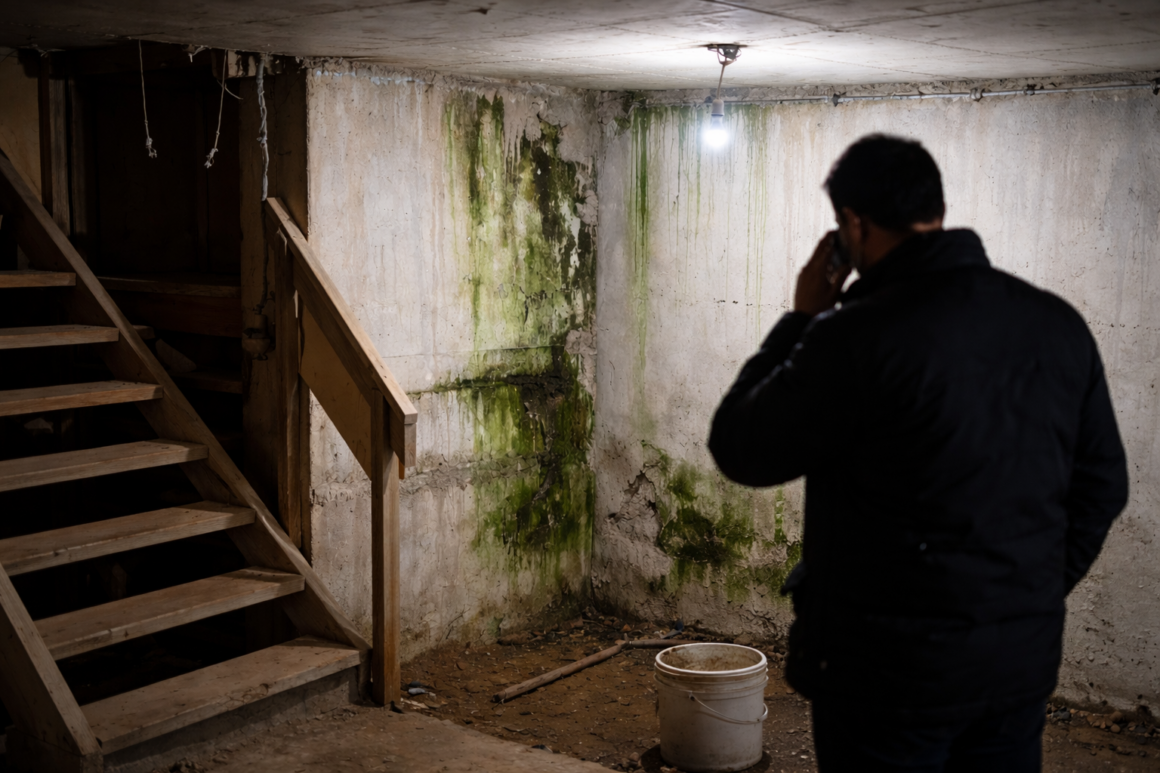
For local families, the primary concern following a flood isn’t just the standing water—it’s the biological aftermath. Health Canada and the CDC warn that mold can begin to colonize damp building materials like drywall, wooden studs, and carpeting within just 24 to 48 hours of water exposure.
This presents a direct threat to the household’s respiratory health, particularly for children and seniors. Inhaling mold spores can lead to persistent coughing, aggravated asthma symptoms, and long-term allergic reactions. Furthermore, if a flood involves sewage contamination due to overwhelmed municipal lines, the risk of pathogens like E. coli becomes a serious reality. The complexity of sanitizing a home after such an event is a professional challenge that no homeowner should have to face unprepared.
Advanced Protection: Understanding Pump Types and Redundancy
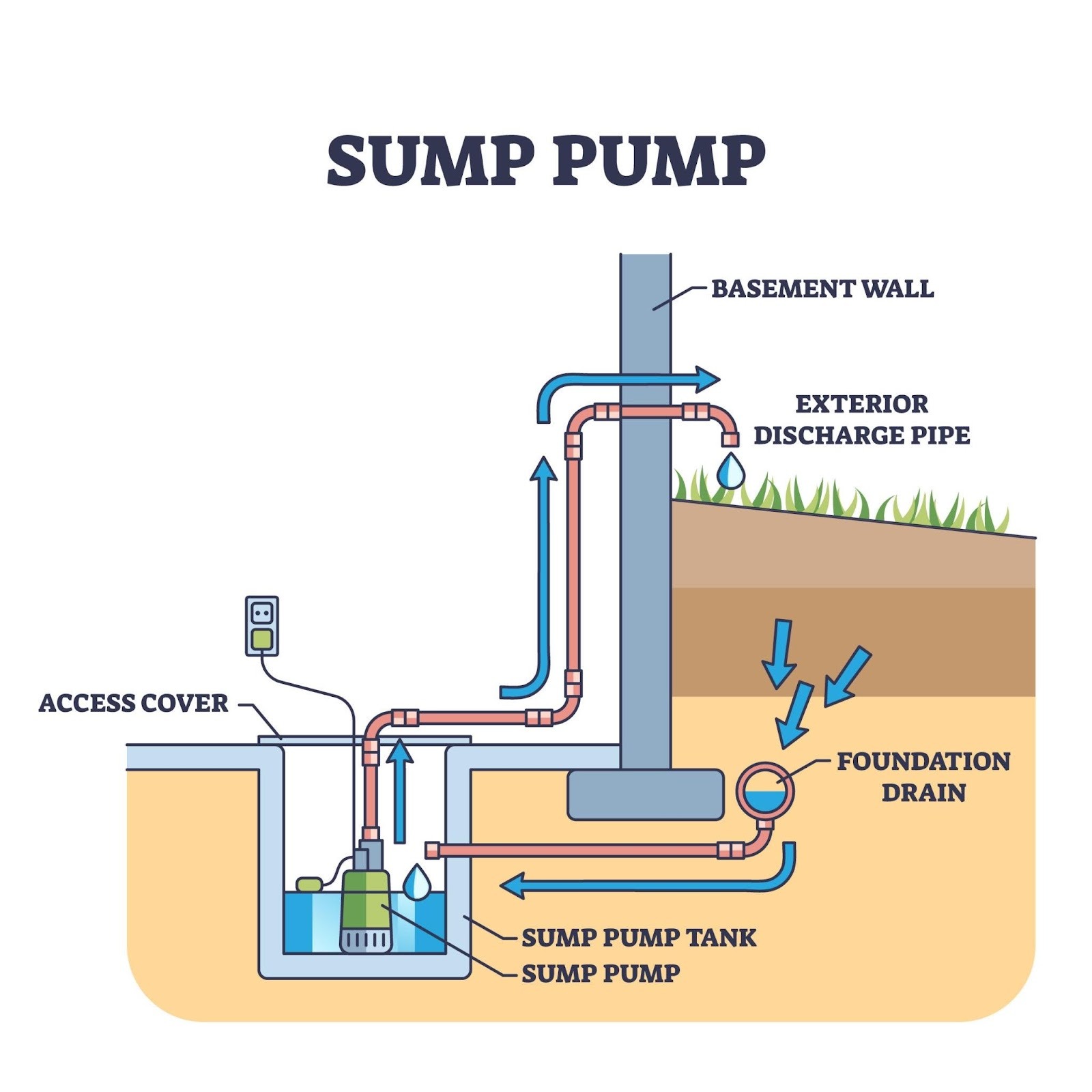
When evaluating a home’s defense system, it is important to understand that not all pumps are created equal. Local experts often categorize residential systems into two main types: pedestal and submersible pumps.
Pedestal pumps have the motor mounted above the sump pit, which keeps it out of the water and typically extends its lifespan. However, submersible pumps, which sit inside the pit, are much quieter and can handle larger volumes of water and small debris more effectively. For homes with finished basements where noise is a concern, a high-quality submersible unit is often the preferred choice.
Furthermore, true security comes from redundancy. A single-pump system is a single point of failure. Many professional installers now recommend a “twin-pump” configuration where a second, identical pump is installed slightly higher in the pit. If the primary pump fails or is overwhelmed, the secondary unit kicks in, providing a critical safety net.
How much does it cost to repair a sump pump: Prevention vs. Restoration
The math of home maintenance is remarkably consistent: an ounce of prevention is worth a pound of cure. While a comprehensive sump pump audit is a modest investment, the cost of a system failure is often staggering.
According to national restoration averages, the financial reality of a basement flood includes:
- Immediate Mitigation: Professional drying and sanitizing typically costs from $2,000.
- Structural Restoration: Replacing damaged flooring, drywall, and compromised electrical systems often ranges from $5,000.
- Total Loss: When personal assets, heirlooms, and long-term remediation are factored in, a single failure can easily exceed $30,000 in total costs.
**To find out the exact price, call a local plumber near you.
Exterior Factors: The Role of Landscape Drainage
A sump pump does not work in isolation; its efficiency is directly tied to the drainage health of your entire property. Professional technicians often observe that pumps work harder than necessary because of poor exterior grading. If the ground slopes toward the house or if downspouts discharge water directly next to the foundation, that water simply cycles back into the sump pit, creating an endless loop that wears out the motor prematurely.
Experts suggest extending downspouts at least six to ten feet away from the foundation. Additionally, maintaining clear gutters ensures that the soil around the foundation doesn’t become oversaturated. Integrating these simple landscape adjustments with a robust interior pumping system creates a comprehensive defense-in-depth strategy.
Localized Expertise: A System-Wide Approach
Professional service providers, such as Superior Plumbing & Heating of Chatham, recommend a rigorous, system-wide approach rather than a simple “pump swap.” Because Chatham’s soil conditions are unique, a proper defense requires more than just a functioning motor.
A professional audit typically includes:
- Check Valve Integrity: Verifying that water isn’t flowing back into the pit, which prevents premature motor burnout.
- Impeller Cleaning: Removing the silt and debris common in local groundwater that can clog the intake.
- Discharge Line Testing: Ensuring the exterior pipe is clear and moving water far enough from the foundation to prevent re-entry.
- Load Testing the Backup: Ensuring the battery system can handle sustained cycles during a real-world power failure.
Conclusion
A dry, healthy basement is the foundation of a safe living environment. Don’t wait for the sound of rushing water or the smell of dampness to remind you of your drainage system’s importance.
Local experts in Chatham suggest that homeowners schedule an annual inspection before the peak storm seasons. Proactivity ensures your defense is robust, your backup is ready, and your family is protected from the hidden risks of moisture, mold, and unexpected financial loss.