Most people spend the vast majority of their waking hours indoors, yet the air they breathe in those spaces rarely gets much thought. Studies have consistently found that indoor air can harbor pollutant concentrations two to five times higher than outdoor air — a problem driven by off-gassing furniture, synthetic cleaning products, and poor ventilation.
A Natural Solution Hidden in Plain Sight
How Houseplants Improve Indoor Air
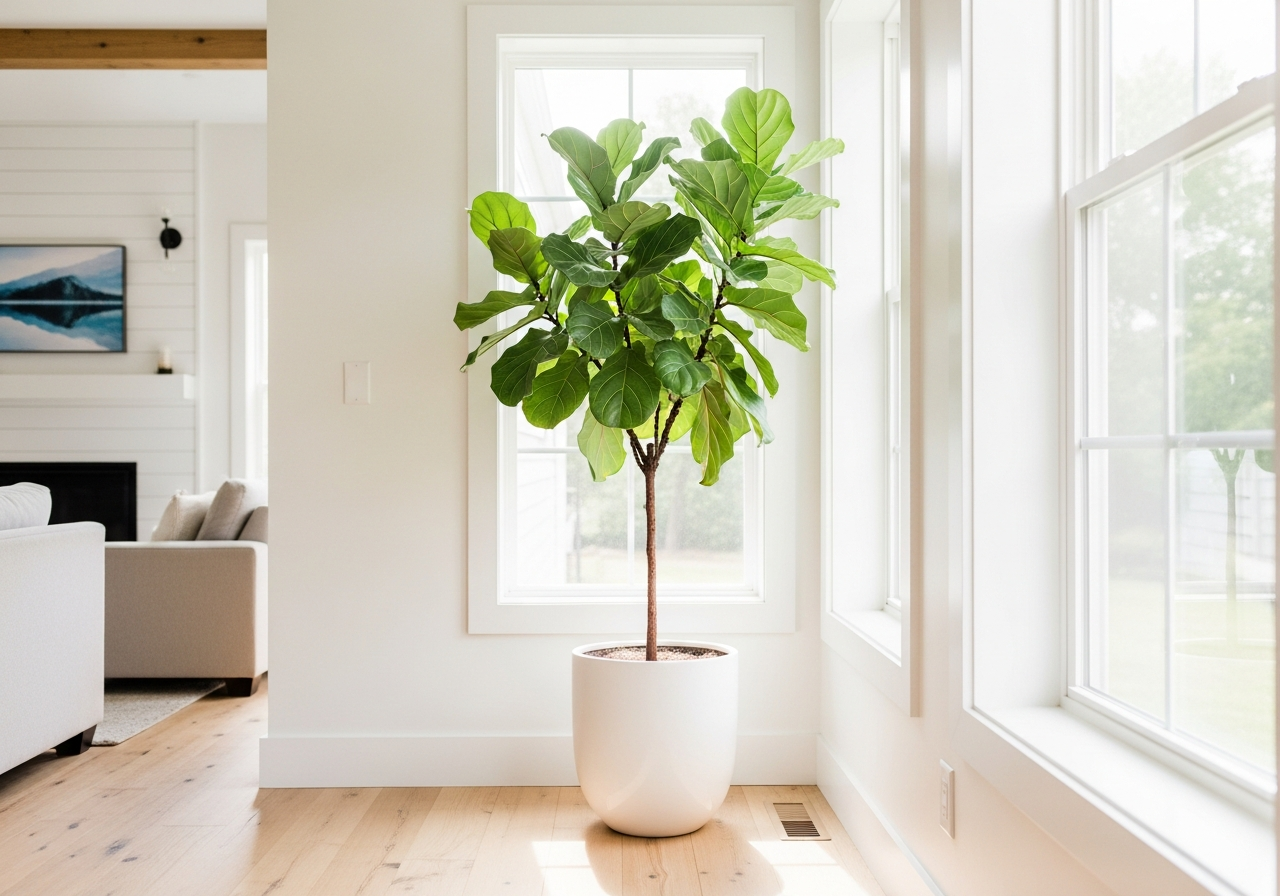
Houseplants offer a surprisingly effective counterpoint, harnessing photosynthesis and phytoremediation to filter toxins and freshen the air around them. For those looking to maximize this effect, you can shop huge indoor plants online at specialized retailers to find statement pieces like fiddle leaf figs or monstera, whose broad leaves provide significantly greater air-purifying surface area. From absorbing volatile organic compounds to quietly easing everyday stress, houseplants deliver a compelling mix of science-backed and wellness benefits that are well worth understanding.
Plants improve air quality through several interconnected biological processes working in concert. During photosynthesis, they absorb carbon dioxide and release oxygen, gradually refreshing the air in a room over time. More significantly, both leaves and roots take in volatile organic compounds (VOCs) — including formaldehyde, benzene, and trichloroethylene — while soil microbes work to neutralize these toxins at the root zone. Together, these processes constitute what scientists call phytoremediation.
Plants also regulate humidity through transpiration, releasing moisture vapor that reduces indoor dryness, helps settle airborne dust, and can ease allergy symptoms with consistent exposure.
A note of perspective is worth including here: while NASA’s landmark Clean Air Study demonstrated plant-based air filtration, follow-up research suggests the number of plants needed to meaningfully purify a typical room far exceeds what most people would consider practical. Houseplants are best understood as supplements to good ventilation — not replacements for mechanical air purifiers.
Key mechanisms at a glance:
– Photosynthesis for a steady oxygen boost
– Leaf surfaces trapping fine airborne particulates
– Root and soil filtration neutralizing absorbed toxins
Houseplants for Air Purification
Certain species consistently stand out in air-purifying research. Larger specimens with broader foliage naturally filter more air simply by offering greater surface area, making them especially well-suited to spacious rooms.
Plant
Key Toxins Removed
Light Needs
Care Level
Snake Plant
Formaldehyde, CO₂
Low
Easy
Spider Plant
Carbon monoxide, VOCs
Medium
Easy
Peace Lily
Benzene, ammonia
Low
Moderate
Bamboo Palm
Benzene, formaldehyde
Medium
Moderate
Rubber Plant
Formaldehyde
Medium
Easy
The snake plant is particularly prized for releasing oxygen at night, making it a natural fit for bedrooms. Spider plants are resilient, easy to propagate, and effective against carbon monoxide. For larger rooms, the bamboo palm and rubber plant bring both impressive filtration and visual presence. In workplace studies referenced by NASA-affiliated researcher B.C. Wolverton, participants in greener environments reported fewer headaches and sharper concentration — findings that align closely with the broader body of biophilic research.
Beyond Air: Health and Wellness Benefits
The case for houseplants extends well beyond air chemistry. Biophilic design principles — which center on integrating natural elements into built environments — consistently link indoor greenery to lower cortisol levels, improved mood, and enhanced focus. Organizations that have introduced plant-greening programs have reported measurable reductions in absenteeism, a finding echoed by the Center for Health Design. There is also a sustainability angle worth noting: plants provide an energy-free alternative to powered air purification devices, fitting naturally into an eco-conscious approach to living.
Key Takeaway: Plants foster focus and calm — making them ideal companions for modern living and working environments.
Practical Tips for Success
How effectively houseplants improve a space comes down to thoughtful placement and consistent care. A few foundational steps go a long way:
- Assess room size and light before selecting species
- Start with 2–3 plants per 100 sq ft to establish a measurable baseline
- Monitor humidity levels to prevent mold from overwatering
- Rotate plants periodically for even, healthy growth
- Propagate existing plants to expand your collection affordably
Wiping leaves regularly to remove dust buildup is easy to overlook but genuinely matters — accumulated dust inhibits gas exchange and reduces a plant’s filtering capacity. Clustering plants together creates beneficial microclimates with slightly elevated humidity. As always, combining plant care with adequate ventilation produces the best overall results.
Bringing It All Together
Houseplants offer a timeless, evidence-grounded path to healthier indoor environments. They are not a standalone solution to indoor air pollution, but their contribution to cleaner air, reduced stress, and greater overall well-being is well-supported by science. Starting with even two or three well-chosen plants can produce a noticeable shift in how a space feels and functions — a reminder that nature, given a little care, has a quiet way of doing much of the heavy lifting on its own.