For Wichita residents weighing their housing options, manufactured home communities offer a compelling middle ground — with both rental and ownership paths worth understanding before you decide.
Wichita has always had a practical, no-nonsense relationship with housing. As Kansas’s largest city, it offers a cost of living that remains meaningfully below most major metro areas — a quality that draws residents from higher-cost states and keeps longtime locals from feeling the financial pressure that has driven people out of cities like Denver, Dallas, and Chicago. But even in Wichita, the housing market has tightened. Rents have climbed. Entry-level home prices have risen faster than wages. And for many residents — working families, retirees on fixed incomes, and individuals rebuilding their financial footing — the question of how to find stable, quality housing at a price that actually works has become harder to answer.
Manufactured home communities have become an increasingly serious part of that answer. In the Wichita area and across Kansas, established manufactured home communities offer residents two distinct paths: renting a home within the community, or purchasing one. Both options have genuine merit. Both come with trade-offs. And understanding the difference between them — in financial terms, lifestyle terms, and long-term planning terms — is the first step toward making a decision you’ll be confident in for years to come.
This guide is designed to help Wichita-area residents think through that decision clearly.
The Wichita Housing Market in Context
Before diving into the rent-versus-buy question specifically, it’s worth understanding where Wichita sits in the broader housing landscape. The city’s housing market has historically been one of the most accessible in the country, with median home prices well below the national average and a rental market that offered reasonable options across income levels.
That picture has become more complicated. Rental vacancy rates have tightened across Sedgwick County, pushing average rents upward for apartments and single-family rental homes alike. Meanwhile, construction costs have kept new housing inventory limited, and existing entry-level homes have attracted competitive bidding from investors and first-time buyers simultaneously.
For residents who want stability — the ability to know what their housing will cost month to month, in a community where they feel safe and connected — manufactured home communities have moved from the periphery of the housing conversation to a genuine mainstream option. The product quality has improved dramatically. The community management has professionalized. And the financial flexibility of being able to choose between renting and owning within the same community framework gives residents an adaptability that neither traditional renting nor conventional homebuying easily provides.
Renting in a Manufactured Home Community: What It Means and Who It Serves
Renting a manufactured home within a community is structurally similar to renting any other home — you pay monthly, your landlord handles major maintenance and repairs, and you have flexibility to move without the friction of selling a property. But the experience of renting in a well-managed manufactured home community differs meaningfully from apartment renting in ways that matter to most residents.
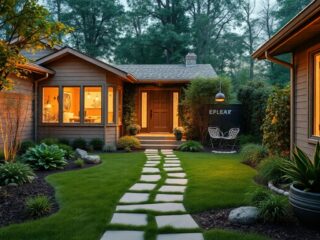
You have a yard. You have space between yourself and your neighbors. You have a front door that is genuinely yours to come home to, not a unit number in a corridor. For families with children, for pet owners, and for anyone who finds apartment living confining, that difference in lived experience is significant.
Who renting tends to serve well:
Renting in a manufactured home community is often the right choice for residents who are new to the area and want time to learn the community before committing to ownership. It suits people in transitional life stages — those rebuilding credit, working through a divorce, or navigating a period of income uncertainty — who need quality housing without the financial commitment of a purchase. It also works well for residents whose professional situation may require them to relocate within a few years and for whom locking equity into a property doesn’t fit their timeline.
The key question for any prospective renter is the quality of the management behind the community. A well-run community with professional on-site management, responsive maintenance, and clear lease terms is a very different experience from a poorly managed one. Before signing, ask to speak with current residents, walk the common areas on an ordinary weekday, and read the lease carefully — particularly clauses related to rent increases, pet policies, and maintenance responsibilities.
Buying in a Manufactured Home Community: Building Equity on a Realistic Budget
Purchasing a manufactured home within a community — whether you’re buying the home in a land-lease arrangement or acquiring both home and lot — is a fundamentally different financial proposition from renting. It is an ownership decision, with all the responsibilities and rewards that ownership entails.
The financial case for buying is grounded in a straightforward comparison. In Wichita’s current market, a quality manufactured home can be purchased for a fraction of the cost of a comparable site-built home, with monthly ownership costs — when you factor in lot rent, insurance, and maintenance — that are competitive with or lower than equivalent rental options. You are building equity rather than paying a landlord’s mortgage. You have the freedom to personalize your space. And you have the stability of knowing that your housing costs won’t be reset by a landlord’s renewal decision.
According to the Consumer Financial Protection Bureau, manufactured home buyers have access to several financing pathways depending on how the home is titled and whether land ownership is included. Homes permanently affixed to owned land and titled as real property can qualify for conventional mortgages, FHA Title II loans, or VA financing. Homes on leased land are typically financed as personal property through chattel loans, which carry higher rates but lower entry costs. Understanding which financing path applies to your situation before you begin shopping makes the process significantly smoother.
For Wichita residents exploring ownership options, homes for rent in Wichita KS through Bayshore Home Sales communities in Kansas offer a practical starting point — a way to experience community living firsthand before making a purchase commitment, or to move directly into ownership with the support of an experienced community operator who understands the local market.
Side-by-Side: How Renting and Buying Compare Across Key Factors
Understanding the decision requires looking at both options across the dimensions that matter most to real households.
Monthly cost: Renting typically carries a lower monthly obligation in the short term, with no down payment and no ownership maintenance responsibility. Buying involves a purchase price and financing costs, but monthly ownership costs — particularly in land-lease communities where lot rent is lower than equivalent mortgage-plus-tax payments on a site-built home — can be highly competitive over time.
Flexibility: Renting offers easier exit. Buying ties your capital to the property and involves transaction costs on both entry and exit. For residents confident in their intention to stay in the Wichita area for five or more years, buying generally makes stronger financial sense. For those with genuine uncertainty about their timeline, renting preserves options.
Equity building: Only ownership builds equity. Over a five- to ten-year horizon, a buyer who maintains their home and benefits from stable community demand will typically emerge in a meaningfully stronger financial position than a renter who paid comparable monthly costs with no ownership stake.
Stability: Both options offer more stability than a standard apartment lease in a multi-family building, but ownership provides the deepest form of stability — the certainty that your home is yours, not subject to a landlord’s pricing decisions or sale plans.
Maintenance responsibility: Renters are generally protected from major repair costs; landlords carry that responsibility. Owners bear the full maintenance obligation, which requires both budgeting and attention. In manufactured home communities, community operators often maintain common areas and exterior grounds, reducing the owner’s workload compared to a fully independent property.
The Case for Bayshore Communities in Kansas
For Wichita-area residents who have decided that a manufactured home community is the right environment, the quality of the community operator matters as much as the quality of the home itself.
Bayshore Home Sales brings a community-focused management philosophy to its Kansas operations — one that prioritizes resident experience, property maintenance, and the kind of long-term stewardship that protects both renters and owners from the deterioration in community quality that can undermine property values and daily livability over time. Their Kansas communities are designed for residents who intend to stay, not just pass through.
Whether you come in as a renter exploring your options or a buyer ready to put down roots, the community environment Bayshore maintains is one that supports both paths — and makes the transition from renting to owning within the same community a realistic and well-supported option for residents whose circumstances evolve over time.
Making the Decision That Fits Your Life
The rent-versus-buy question in a manufactured home community ultimately comes down to a clear-eyed assessment of your own situation: your financial stability and access to financing, your certainty about your plans in the Wichita area, your tolerance for maintenance responsibility, and your long-term housing goals.
According to the National Housing Institute, residents who enter manufactured home communities with a clear understanding of both their options and their own circumstances report significantly higher satisfaction rates than those who make housing decisions reactively, under pressure. Taking the time to compare the financial math, visit communities in person, speak with current residents, and consult with a housing counselor or financial advisor before committing is not overcaution — it is the foundation of a housing decision you can feel good about for years.
Wichita’s manufactured home communities offer something genuinely valuable in today’s housing market: a realistic, dignified, community-oriented housing option at a price point that works for real budgets. Whether you rent first and buy later, or go straight to ownership, the key is making the choice that fits where you actually are — not where you wish you were.