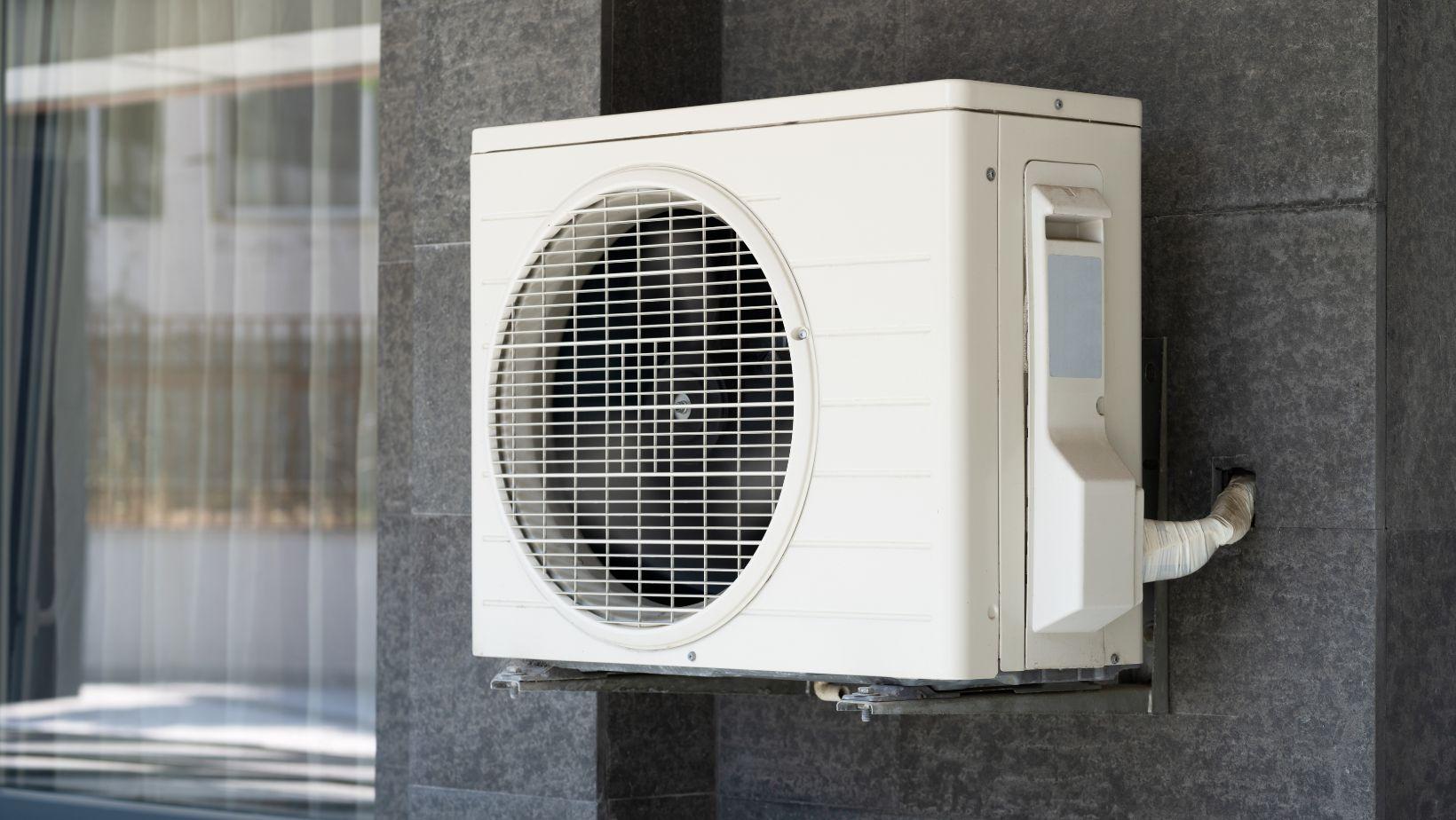
Heating costs across Canada keep climbing, and more homeowners are starting to ask the same question: Is switching to a heat pump actually worth it?
The short answer is that it depends on your home, your province, and what you’re switching from. But the clearest picture usually comes from homeowners who have already made the switch.
Here’s what many of them experienced after installation — the savings, the unexpected adjustments, and the things they only learned after living with the system.
If you want to understand whether it makes sense for your home, expert companies that offer Superior HVAC Services can help you make the best cost-effective choice.
What Changed With Modern Heat Pumps and Why It’s Time to Switch
For years, many Canadians dismissed heat pumps for one simple reason: older models struggled in cold weather. But modern heat pumps have completely changed that.
New systems use advanced compressor technology designed specifically for colder Canadian regions, including places like Ontario, Alberta, and Quebec, where winter temperatures regularly drop well below freezing.
Many newer models can maintain strong heating performance at around -15°C and continue operating even when temperatures fall to -25°C or lower.
Story #1. Why Sarah Doesn’t Worry About Her Winter Heating Bills Anymore
Sarah from Kitchener installed a cold climate heat pump alongside her existing gas furnace in 2025 after getting tired of unpredictable winter heating bills.
After two heating seasons, the biggest difference wasn’t just lower gas use. It was how much more predictable the monthly bills became.
What stood out most to her:
- The furnace ran far less often than expected
- The home felt more evenly heated with fewer cold spots
- The system stayed much quieter than the old furnace
- Summer cooling costs dropped noticeably
Sarah understands that the heat pump didn’t completely remove heating costs, but it made the home more comfortable and lessened the family’s use of gas during winter.
Story #2. Why David Would Still Choose the Heat Pump
David from Hamilton replaced his gas furnace with a ducted cold climate heat pump and has now used the system for two full winters.
His first heating season surprised him because his energy bills were similar to before. In Ontario, natural gas is still relatively cheap, while electricity is more expensive. Heat pumps are highly efficient, but lower gas prices can offset some of the savings.
What David did notice:
- The heat pump was dramatically quieter than the old furnace
- Summer cooling costs dropped because the system replaced both the furnace and the AC
- The system required almost no maintenance through the first two winters
David said he would do it again, not just because he cut his bills in half, but because his heating and cooling costs stayed stable while his home became quieter, more comfortable, and less dependent on gas.
Story #3. Michael, Who Didn’t Expect Much and Still Switched
In 2026, Michael from Toronto replaced his aging gas furnace with a heat pump after dealing with rising repair costs and uneven heating in his semi-detached home. Michael’s main goal was to avoid another furnace replacement and improve overall energy efficiency.
Here’s what he noticed:
- The furnace now only kicks in during the coldest days
- The home stays more consistently warm across all rooms
- Heating costs became more predictable through the winter
- Cooling in summer improved significantly
For Michael, it wasn’t about huge savings overnight. It was about a more stable, lower-maintenance system that quietly improved comfort year-round.
What Canadian Homeowners Wish They Had Known First
A few patterns show up again and again once homeowners use a heat pump for a few seasons.
Their electricity bill rises, while their gas bill falls. The overall financial impact varies by province.
In British Columbia, Quebec, and Manitoba, where electricity rates are lower, switching from gas to a heat pump is a clear financial benefit.
In Ontario, the switch is nearly neutral, while in Alberta and Saskatchewan, high electricity costs and low gas prices make a full conversion less advantageous; however, hybrid systems still offer good value.
Installation quality matters more than most people expect.
A well-installed heat pump works much better than a poorly installed one, with performance varying by 20–30%. Factors like refrigerant charge, airflow balance, and sealed ductwork are key to getting the promised efficiency.
It’s just as important to choose an experienced installer from Superior HVAC Service as it is to select the right unit.
Insulation first, heat pump second.
A heat pump works hardest in a drafty home. Homeowners often see better results when they improve air sealing and insulation along with their heat pump installation.
If your home isn’t well insulated, fix that first to lower heating bills and boost your heat pump’s performance.
Cold-climate ratings aren’t all the same.
A heat pump that “operates at -25°C” is different from one that “maintains full capacity at -25°C.” Many units struggle and perform poorly in colder temperatures.
In Ontario, where it regularly drops below -15°C, it’s crucial to choose a unit with strong cold-weather ratings for better performance in January and February.
Is It the Right Time for a Switch?
The honest answer is that it depends.
A heat pump makes the clearest sense if you’re currently heating with oil or propane, if you’re replacing both a furnace and an air conditioner at the same time, or if you’re in BC or Quebec, where electricity rates make the financial case obvious.
In Ontario, switching from gas is roughly cost-neutral in the near term, which still makes sense if you’re thinking about the next 15 to 20 years, when gas prices will almost certainly be higher, and the heat pump will have paid back its cost difference.
Homeowner stories show that the technology works, keeps homes comfortable in harsh winters, and regrets are rare. The happiest homeowners set clear expectations, chose qualified installers, and picked units suited to their climate.
Those with complaints often wish they had focused on insulation first.