Seasonal Home Projects to Find on Home-Hearted.com starts with practical, time‑smart tasks that keep a house safe, efficient, and inviting year-round. This guide highlights specific spring fixes, summer upgrades, and fall/winter preparations readers can start this week. It aims to turn vague “to‑do” lists into clear, actionable projects with realistic effort, cost cues, and common pitfalls to avoid.
Key Takeaways
- Seasonal home projects on Home-Hearted.com offer actionable tasks to maintain safety, efficiency, and comfort throughout the year.
- Spring projects prioritize roof and gutter inspections, HVAC servicing, and decluttering to prevent costly repairs and improve daily living.
- Summer focuses on outdoor upgrades like deck sealing, power washing exteriors, and optimizing irrigation to enhance curb appeal and outdoor comfort.
- Fall and winter projects emphasize weatherproofing, heating system maintenance, and plumbing winterization to avoid emergency repairs and increase warmth.
- Using Home-Hearted.com’s detailed guides helps homeowners implement these seasonal home projects with realistic budgets and avoid common pitfalls.
Spring Projects: Refresh, Repair, And Reorganize
Spring projects start with one clear fact: a focused spring checklist prevents bigger repairs later. Homeowners should inspect gutters and roof shingles, service cooling systems, and finish one deep‑clean project that changes daily life.
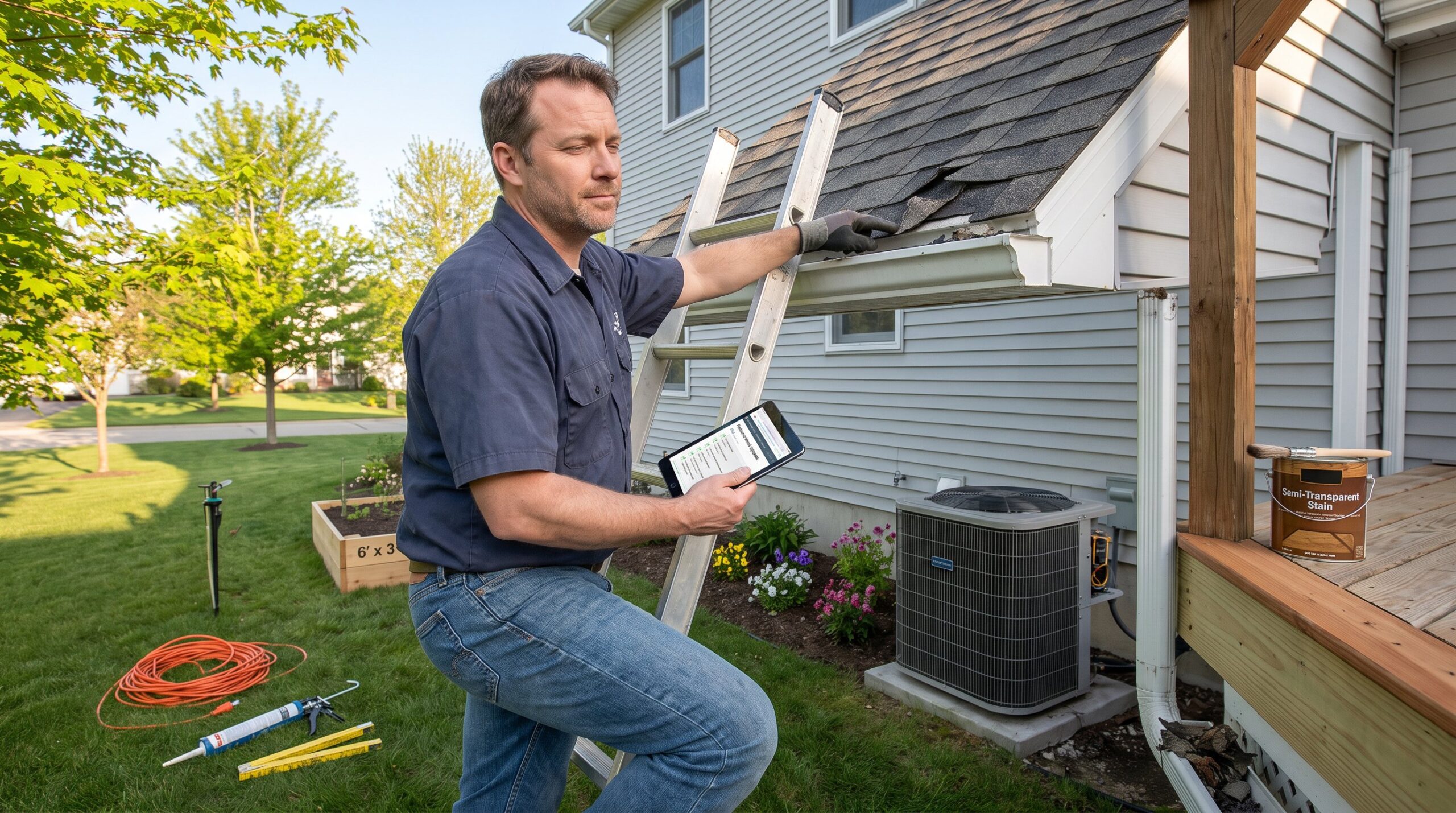
Inspect gutters and roof. Climbing a ladder, one inspector counted five torn shingles at the back eave, what looked minor became a pricy repair after spring storms. Home-Hearted editors recommend starting with the roof because water damage multiplies quickly. For a seasonal roof prompt, see the exterior checklist for a step‑by‑step look at common red flags.
Service HVAC and filters. After a winter of dust, replacing filters and running an AC tune‑up saves energy and avoids the late‑June rush for technicians. A simple filter swap costs $10–$30 and often restores airflow. If a homeowner notices low efficiency, the checklist link above helps prioritize which warning signs require a pro.
Repair caulking and siding. One homeowner delayed re‑caulking around windows and later paid for drywall mold remediation. Caulk failures are cheap to fix now but expensive later. Replacing worn exterior caulk and sealing small concrete cracks usually takes a weekend and basic tools.
Organize and declutter. Spring is the best time to reorganize storage: start by pulling winter gear out and making three piles: keep, donate, recycle. A specific tip: measure closet depth before buying storage bins, wrong sizes create wasted trips and frustration.
Connect to related guides. For stepwise cleaning routines and a sensible sequence of tasks, the site’s cleaning routines article offers simple schedules that match spring refresh work. Also, homeowners planning larger refresh projects should read the room makeover suggestions for low‑cost stylistic updates.
Summer Projects: Outdoor Upgrades And Low-Maintenance Improvements
Summer projects deliver the biggest visual returns: decks, patios, and curb appeal upgrades transform a yard into living space. The key fact: prioritize outdoor safety and weather protection first, then add comfort upgrades. See the resource guide for a more complete rundown of related topics.
Repair and seal decks. In one case, a homeowner noticed soft deck boards in July. They replaced three boards, then applied a semi‑transparent stain that prevented sun bleaching. Staining adds about two years of life per application in sunny climates. Use a power washer to clean surfaces before sealing: allow 48 hours drying in warm weather.
Power wash and refresh exteriors. Power washing removes mildew that accelerates paint failure. Doing it in June avoids pollen season and gives siding a fresh start. When pressure washing, keep nozzle distance to avoid gouging wood, practice on a hidden spot.
Maintain outdoor living and fences. Check fence posts for rot and tighten loose fasteners. A small repair now prevents full replacement later. Replace one or two pickets instead of the whole run when damage is localized.
Improve irrigation and cooling. Summer is the time to tune sprinklers, adjust heads to avoid watering the driveway and set timers for early morning to cut evaporation. Switching ceiling fans to counterclockwise and adding shade sails can lower perceived temperature on a patio.
Plan landscaping projects. For pragmatic, value‑adding planting, review hands‑on landscaping tips. The DIY landscaping guide on Home-Hearted provides clear projects that add curb appeal without contractor rates: landscaping projects. Those projects include measured examples (e.g., build a 6′ x 3′ raised bed with 2×6 boards) and lists of necessary materials.
Safety note: check attic ventilation and dryer vents in summer. Lint buildup causes many household fires: a quick inspection and cleaning lowers risk and improves dryer efficiency.
Fall And Winter Projects: Weatherproofing, Cozy Updates, And Prep For Cold Months
The essential insight: investing a few weekend hours in fall prevents emergency winter fixes. Homeowners should focus on weatherproofing, heating checks, and plumbing protection.
Clean gutters and confirm drainage. Clogged gutters force water into rafters and foundations. One reader recorded 1.5 inches of standing water near a foundation after a clogged downspout, clearing debris and extending a downspout outlet eliminated the pooling and saved an estimated $2,200 in potential foundation repair. Confirm that water routes at least 6 feet away from the house.
Seal and insulate. Sealing drafts around doors and windows yields clear comfort gains and heating savings. A DIY blower‑door style test, lighting a candle near suspected gaps, helps find leaks. Add weather stripping to doors and R‑value insulation in the attic if the existing layer is below R‑30 for cold climates.
Winterize outdoor systems. Drain hoses, shut off exterior valves, and insulate exposed pipes. One homeowner left a hose attached and faced a burst spigot: the repair doubled the project’s original estimated expense. Winterizing irrigation systems prevents frozen pipes and broken valves.
Service heating and safety systems. Schedule furnace or boiler servicing in early fall to avoid the technician backlog in November. Replace batteries in smoke and carbon monoxide detectors and test sump pumps. An honest note: homeowners sometimes skip detector checks until it’s too late, make testing a calendar item.
Prepare walkways and décor. Add textured mats and outdoor lighting to reduce slips on icy paths. For cozy interiors, small updates like heavier curtains and a fresh rug deliver immediate comfort: the site’s planning pages suggest cost‑effective patterns for seasonal decor.
For a month‑by‑month planner, a trusted external resource organizes tasks by calendar month and can help homeowners schedule big jobs: DIY project planner. Also, readers thinking about broader home plans should consult the Home-Hearted planning guide for what to consider before major moves: planning considerations.
Conclusion
Seasonal Home Projects to Find on Home-Hearted.com encourages small, decisive actions that prevent costly failures and improve daily life. By prioritizing roof and gutter checks, outdoor sealing and staining, and fall weatherproofing, homeowners reduce emergency repairs and enhance comfort. For broader inspiration and practical sequences, the site’s pillar resources collect stepwise ideas and realistic budgets.