Creating a brighter home goes beyond appearance. It shapes how a space feels, how you move through it, and how comfortable it is to live in. Natural light can turn even the most enclosed rooms into spaces that feel open, calm, and inviting. In areas where daylight can often feel limited, making the most of every available source becomes especially worthwhile.
This checklist focuses on practical ways to bring more natural brightness into your home, without overcomplicating the process.
How Does Light Move Through Your Home?
Before making any changes, take time to observe how light currently behaves in your space. Notice which rooms feel dim and which ones feel naturally bright. Pay attention to when sunlight enters and how long it stays.
Rooms that face south tend to receive the most consistent daylight, while north-facing spaces often need more support. Once you understand this pattern, it becomes easier to decide where improvements will have the greatest impact.
Introduce More Natural Entry Points
One of the most effective ways to increase brightness is by creating additional pathways for light to enter your home. Traditional windows are not always enough, especially in enclosed or internal spaces.
Adding features like skylights can completely change the feel of a room. Because they are positioned on the roof, they bring in light from above, which tends to be more consistent throughout the day. This makes them particularly effective in areas like hallways, bathrooms, kitchens, and loft conversions where wall space for windows may be limited.
The result is not just a brighter room, but one that feels more open and spacious.
Choose Colors That Reflect Light
Color plays a bigger role than many people realize. Dark shades absorb light, which can make a room feel smaller and more enclosed. Lighter tones help reflect light around the space, allowing it to travel further.
Soft whites, warm neutrals, and pale flooring can all contribute to a brighter atmosphere. Even small changes, such as repainting a single wall or updating cabinetry, can make a noticeable difference. Finishes also matter. Slightly reflective surfaces can help bounce light more effectively than matte ones.
Rethink Layout and Flow
Light needs room to move. If your layout blocks it, even large windows will not achieve the effect you want.
Open-plan spaces often feel brighter because light can travel freely from one area to another. Where a full redesign is not possible, smaller adjustments can still help. Replacing solid internal doors with glazed versions or opening up sightlines between rooms can allow light to spread more naturally throughout the home.
Keep Window Treatments Light and Simple
Heavy curtains and dark blinds can block out a surprising amount of daylight, even when partially open.
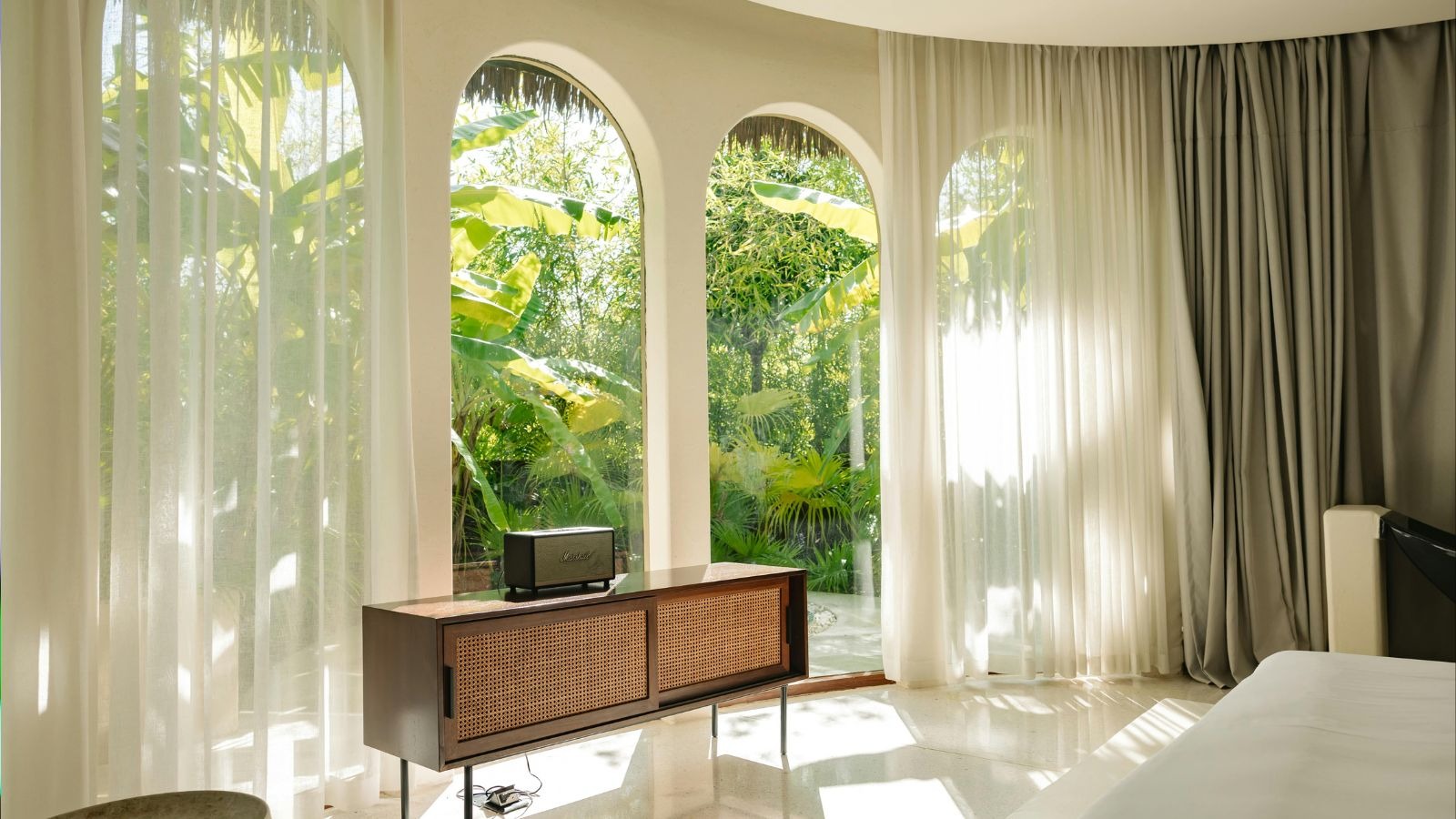
Opting for sheer fabrics or light-filtering blinds allows natural light to enter while still maintaining privacy. The goal is to soften the light rather than stop it altogether, creating a gentle and consistent brightness throughout the day.
Focus on the Spaces That Matter Most
Not every room needs to be equally bright. Prioritize the areas where you spend the most time.
Living rooms, kitchens, and home offices benefit the most from increased natural light. These are the spaces where brightness can influence mood, productivity, and overall comfort. A well-lit environment often feels more welcoming and easier to spend time in.
Combine Light with Fresh Air
A bright room should also feel fresh. Many daylight solutions, including opening roof windows, can improve airflow as well as light levels.
Better ventilation helps regulate temperature and improve air quality. This combination creates a space that feels both energizing and comfortable throughout the year.
Reduce the Need for Artificial Lighting
When natural light is used effectively, there is less need to rely on artificial lighting during the day.
This can help lower energy use and create a more natural environment. Daylight tends to feel softer and more balanced than artificial alternatives, which contributes to a calmer atmosphere within the home.
Treat Light as Part of Your Design
Natural light is not just functional. It can be used to highlight textures, enhance materials, and shape the overall feel of a room.
Think about how light interacts with features like wood, stone, or fabrics. Consider how different rooms are used throughout the day and how light can support those routines. Morning light in a kitchen or soft afternoon light in a living room can subtly improve how each space is experienced.