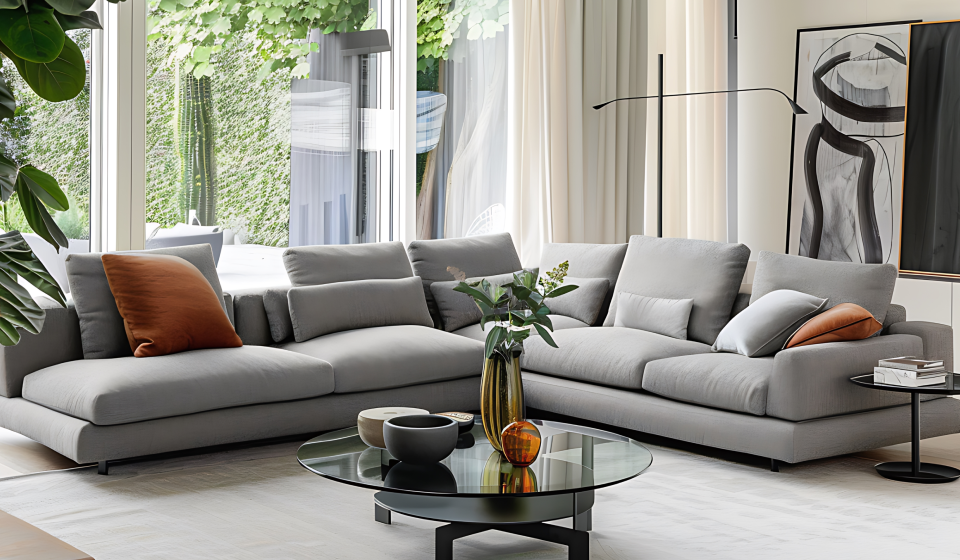
Creating a home that feels both stylish and comfortable often comes down to balance. One of the most effective ways to achieve this is by blending bold elements with neutral tones. While bold designs bring personality and energy into a space, neutral styles offer calmness and structure. When combined thoughtfully, they create interiors that feel both dynamic and harmonious without appearing overwhelming.
Whether you are selecting a statement armchair, a patterned rug, or even a corner lounge for Perth homes, the key is to ensure that each piece complements the overall aesthetic rather than competing for attention. These thoughtful choices allow you to enjoy expressive design while maintaining visual comfort.
Understanding the Balance Between Bold and Neutral Styles
What Defines Bold Interior Design
Bold interior design is all about making a statement. It incorporates vibrant colours, striking patterns, and eye-catching furniture pieces that instantly draw attention. Deep blues, rich greens, and even dramatic blacks are often used to create a strong visual impact. Statement lighting, oversized artwork, and uniquely shaped furniture also fall into this category, giving a room a sense of personality and individuality.
What Makes Neutral Styles Timeless
Neutral interiors, on the other hand, are known for their understated elegance. Soft tones such as white, greys, beige, and muted earthy shades form the foundation of this style. These colours create a calming atmosphere and allow spaces to feel open, airy, and inviting. By acting as a backdrop, neutral tones provide the perfect canvas for incorporating bold elements when desired. Incorporating modern design aesthetics can also help create a timeless interior by emphasizing clean lines, thoughtful proportions, and functional pieces that complement a neutral palette.
Why Combining Both Creates a Cohesive Look
Blending bold and neutral styles works because it introduces contrast without sacrificing harmony. Bold elements add depth and interest, while neutral tones soften their intensity. This balance ensures that a room feels complete rather than overwhelming.
When done correctly, the combination creates a layered look where each element complements the other. The result is a space that feels curated, balanced, and visually engaging.
5 Smart Tips to Combine Bold and Neutral Styles
Tip 1: Start with a Neutral Foundation
A neutral base is essential when mixing bold and subtle elements. Walls, flooring, and larger furniture pieces should ideally be in neutral tones. This creates a stable visual foundation that allows bold accents to stand out without dominating the room.
Starting with a neutral palette also makes it easier to experiment. You can introduce new colours or patterns over time without the need to completely redesign the space. This flexibility is especially useful for those who enjoy updating their interiors regularly.
Tip 2: Introduce Bold Elements Gradually
Adding bold elements should be a gradual process. Instead of filling a room with multiple statement pieces at once, begin with smaller accents such as cushions, throws, or artwork. This allows you to test how different colours and patterns interact within the space.
As confidence grows, you can incorporate larger, bolder pieces like feature chairs or statement lighting. This layered approach ensures that the design evolves naturally and remains balanced.
Tip 3: Use Textures to Bridge the Gap
Texture plays a crucial role in blending bold and neutral styles. Materials such as wood, metal, linen, and velvet add depth and dimension to a room without relying solely on colour.
For example, a bold velvet sofa can be softened with neutral linen cushions, while a sleek metal lamp can complement a muted wooden table. These combinations create a tactile experience that enhances the overall design while maintaining cohesion.
Tip 4: Balance Furniture Choices Thoughtfully
Furniture selection is one of the most important aspects of achieving balance. Mixing bold and neutral furniture pieces requires careful consideration of proportion, placement, and visual weight.
For instance, if you are incorporating statement seating such as chaise lounges, consider pairing them with a subtle coffee table to maintain balance. Similarly, combining a bold armchair with a minimalist side table or placing a vibrant ottoman alongside a neutral sectional can help distribute attention evenly across the room. This thoughtful arrangement ensures that no single element overpowers the space.
Tip 5: Maintain Consistency with Colour and Theme
Consistency is key when blending different styles. While it is tempting to experiment with multiple colours and patterns, sticking to a cohesive palette ensures that the space feels unified.
Choose a limited range of colours and repeat them across different elements such as cushions, rugs, and decor pieces. This repetition creates a sense of continuity and helps tie the entire design together. Maintaining a consistent theme also prevents the room from feeling cluttered or disjointed.
Conclusion
Mixing bold and neutral styles is an art that relies on balance, creativity, and thoughtful planning. By starting with a neutral foundation, introducing bold elements gradually, and using texture and furniture placement strategically, you can create a space that feels both stylish and comfortable. By applying these smart design tips, you can confidently transform any space into a well-balanced and visually appealing environment.
Frequently Asked Questions
How can bold and neutral colours be balanced in interior design?
Balance can be achieved by using neutral tones as the base and introducing bold colours through accents such as cushions, artwork, or feature furniture.
Can bold furniture work in a neutral room?
Bold furniture can work exceptionally well in a neutral setting when paired thoughtfully. A statement piece, such as a vibrant armchair or patterned sofa, can become a focal point, especially when surrounded by subtle tones that let it stand out without clashing.
What colours are considered neutral in interior design?
Neutral colours typically include shades such as white, beige, grey, and soft, earthy tones. These colours are versatile and timeless, making them ideal for creating a foundation that supports both bold and subtle design elements.
Why is texture important when mixing bold and neutral styles?
Texture adds depth and interest to a space without relying solely on colour. Combining materials such as wood, fabric, metal, and glass helps soften bold elements and enhances the overall harmony of the design.
Is it necessary to follow a specific theme when combining styles?
Following a consistent theme is highly recommended to maintain a cohesive look. While creativity is encouraged, aligning colours, materials, and design elements ensures that the space feels intentional rather than mismatched.