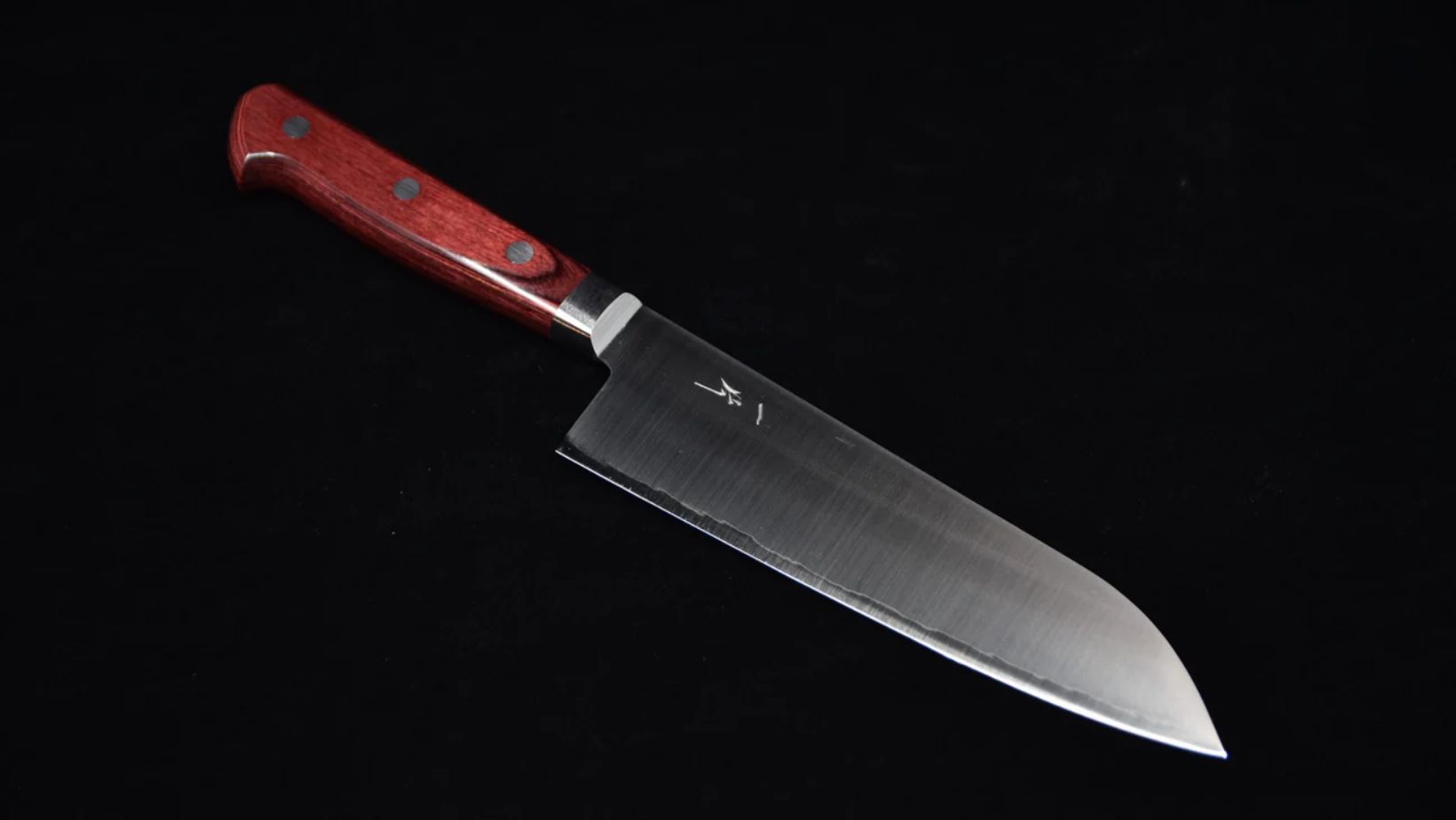
Not many kitchen tools can match the Santoku knife for versatility and pure craftsmanship. The name means “three virtues,” which sums up what it does best—cutting meat, fish, and vegetables. Or, if you like, chopping, slicing, and dicing. That’s why you’ll find it everywhere, from home kitchens to professional ones. If you want the best Santoku knife in Canada, it helps to know what sets it apart. Understand that, and you’ll see why it’s a cornerstone of Japanese cutlery and a favorite for cooks all over the world.
The story of the Santoku knife
It starts in Japan, in the early 20th century—a time when everything about food and craftsmanship was changing. Japanese cooking was starting to adopt ideas from the West, and people at home needed a knife that could handle just about anything. Before the Santoku, Japanese knives were specialists: the Nakiri for veggies, the Deba for fish.
The Santoku was different. It stepped in as a genuine all-rounder, doing the jobs of several knives with a surprising amount of precision.
The Santoku’s innovative, practical design helped it travel far beyond Japan. That shorter, lighter blade and straight edge give you solid control. It’s just easy to handle. Cooks love that balanced feel—nothing awkward or heavy. These days, the Santoku is a go-to knife around the globe, known for its accuracy, elegance, and its effortless ability to get the job done.
Take a close look and you’ll notice the Santoku’s simple, deliberate design. The blade usually runs about 15 to 18 cm (6 to 7 inches)—shorter than your standard Western chef’s knife. But that’s not a weakness. If anything, it makes the knife more nimble and precise.
Its flat edge means the whole blade touches the board, so you can chop and push-cut without rocking back and forth. The tip—called a kamagata—curves just a bit, about 60 degrees, which lets you handle finer slicing and delicate work. All these details come together to make a blade that can dice veggies, trim meat, or slice fish with equal skill.
The handle and blade feel like they’re made for each other. The balance just works. Every motion feels steady and natural, whether you’re mincing garlic or slicing sashimi. The weight sits right in your hand, so you stay in control.
Now, about those “three virtues”—it’s not just about which foods you can cut. It’s a whole philosophy built on versatility and precision. The flat blade and sharp tip let you switch from one ingredient or technique to the next without missing a beat.
- Chopping: That flat blade powers through herbs, onions, veggies—quick, straight-down cuts.
- Slicing: The edge is sharp enough for thin, even slices of meat or fish, and it won’t crush delicate fibers.
- Dicing: With all that control and balance, cutting perfect cubes is easy, which makes your food cook more evenly.
That’s why so many cooks in Canada reach for the Santoku. It’s efficient, adaptable, and makes kitchen prep feel just a little more effortless.
How to Care for Your Santoku Knife
If you want your Santoku to stay sharp and beautiful, a little attention goes a long way. The basics? Clean it as soon as you’re done. Just hand-wash with warm water and a bit of mild soap, then dry it right away with a soft towel. That’s especially important for carbon steel—don’t give rust a chance.
- Skip the dishwasher. The heat and harsh detergents ruin both the blade and the handle.
- Keep your edge sharp. A quick pass on a ceramic honing rod or leather strop keeps things keen, but now and then, use a whetstone to bring back that razor finish—just stick to the original angle.
- Store your Santoku somewhere safe. A wooden sheath (saya), a knife roll, or a magnetic bar works well. The main thing is: don’t let it bump around with other utensils.
Stick to these habits and your Santoku will keep making clean, precise cuts for years. It’ll feel like an old friend in the kitchen—always ready to work.
The Santoku and Stay Sharp: Tradition Meets Everyday Skill
At Stay Sharp, the Santoku is more than just a knife. It’s a mix of precision, versatility, and authentic Japanese craftsmanship. Our Canadian collection celebrates that by offering blades that balance traditional artistry with modern performance.
Every Santoku we offer is made from tough Japanese steel—famous for holding a sharp edge and feeling balanced in your hand. Designed for the “three virtues”—meat, fish, and veggies—these knives give you the control and sharpness you need for any kitchen task.
But what really sets us apart is our attention to detail. The blade’s flat edge and slightly curved tip aren’t just for looks—they make every cut clean and accurate. The handle feels great, even after a long prep session. Whether you’re tossing together a quick stir-fry or going all out on Japanese dishes, our Santoku knives deliver the balance and reliability you’d expect from authentic Japanese cutlery.
Choosing our Santoku is more than just getting a tool. You’re choosing a knife that helps you improve, one that turns every chop and slice into something a little closer to perfection.
Why the Santoku Shines in the Kitchen
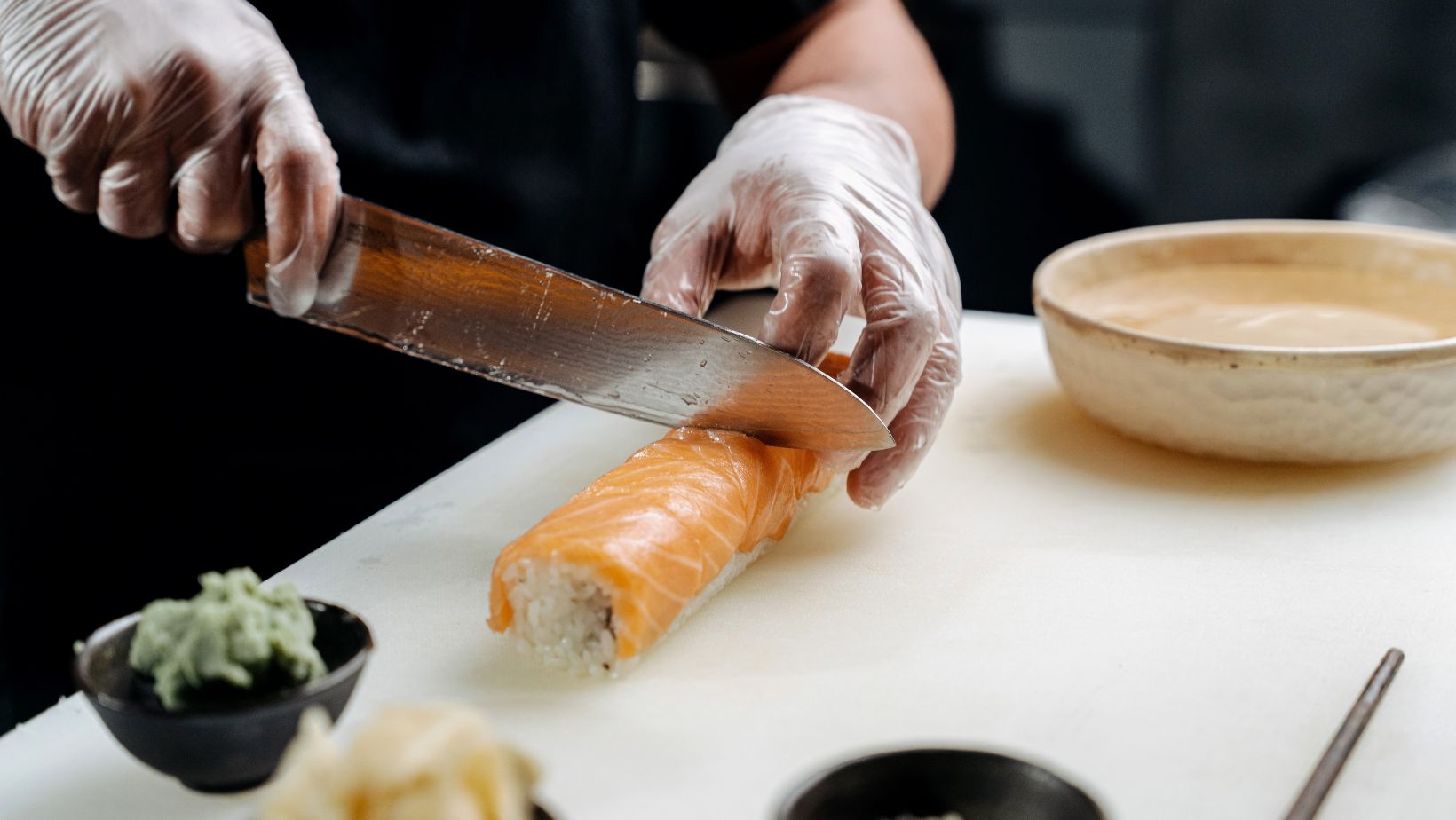
People love the Santoku not just for its style or history, but because it just works. Unlike Western chefs’ knives, which use a rocking motion, the Santoku is designed for push-cutting. It’s faster, cleaner, and better suited to the precise style of Japanese cooking.
The blade is a bit shorter, which means better control—a real plus if you’d rather have accuracy than brute force. And since you can move from slicing peppers to trimming meat without swapping knives, you save time and hassle. The Santoku is the multitasker every kitchen needs, making cooking smoother and your results more impressive.
Wrapping Up
A Santoku knife is more than a kitchen staple—it’s a piece of Japan’s food philosophy: respect for your ingredients, precision in every move, and simple, functional design. The name says it all: “three virtues.” This knife is built to handle just about anything you throw at it.
Whether you’re a pro chef or just love to cook at home, picking the best Santoku in Canada means choosing something that lasts. With our blade in your hand, you’ll see what true craftsmanship feels like. Every cut becomes a small act of artistry—and your cooking gets just a bit closer to perfect.