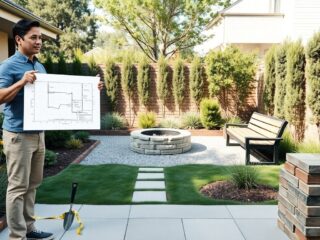
Sloped yards often present practical challenges for homeowners, from soil erosion to limited usable space. A carefully planned retaining wall can address issues of stability and drainage while also enhancing the yard’s visual appeal. Considering both safety and aesthetics can result in a more functional and attractive property when adding these structures to your landscape.
Yard slopes can create difficulties such as uneven surfaces, water runoff, and loss of plantable area, making smart landscape planning essential. Addressing these obstacles early can help keep your outdoor space useful and visually pleasing. When planning retaining walls, it is important to balance structural needs with landscaping style so the result remains stable and complements your home, including considering modular options such as mafia blocks where a heavier wall mass is required.
Assessing slope type, drainage, and site boundaries
The first step in planning is understanding how the land slopes and where soil movement is most likely after rainfall. Walk your yard to observe steepness, noting which areas tend to collect water or are most vulnerable to erosion after a heavy storm.
Alongside slope analysis, watch how water flows during and after rain. Poor drainage can cause water to pool behind the wall, increasing pressure and risk of failure.
Before construction, check for underground utilities and property boundaries. Utilities may run close to or across the planned wall location, so verifying their positions is important to prevent disruption or hazards.
Confirming property lines also helps avoid disputes and helps ensure the wall is installed legally and safely.
Matching wall type and structure to yard conditions
Different wall types serve specific purposes depending on the height and soil conditions. Low garden edging is suitable for minor level changes, while taller or steeper slopes may require structural retaining walls to resist soil and water pressure.
Terraced systems, where multiple lower walls step up the slope, often provide greater stability and a softer appearance than one tall wall. This approach can also help divide planting zones and distribute pressure more evenly across the yard.
Load-bearing designs such as gravity walls use their own mass to resist movement. Reinforced walls may involve geogrid materials or tiebacks for extra strength.
The construction technique should match the site’s requirements for safety and long-term performance.
Comparing material choices for function and design unity
Common material options include concrete units, natural stone, and timber, each offering different lifespans and maintenance needs. Homeowners often weigh the appeal of stone against the predictable strength and lower upkeep of concrete-based blocks.
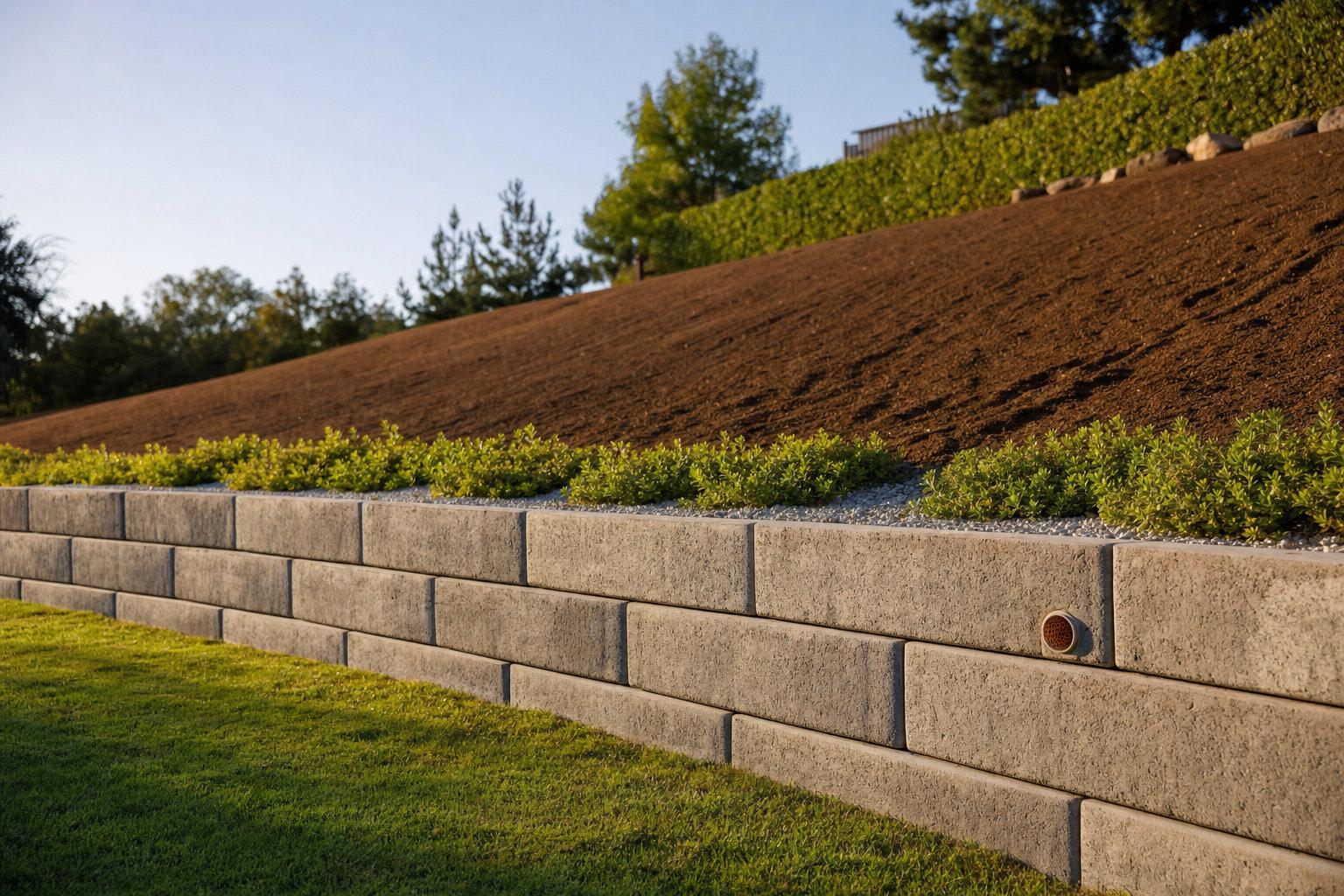
Modular systems are widely used for their ability to create consistent lines and simplify installation. An interlocking concrete block system can make alignment easier and reduce the risk of shifting over time.
Matching materials to the overall house style is an important step in creating a cohesive look. Materials that echo façade or garden elements can help the retaining wall blend in without appearing out of place.
Ensuring stability, lasting quality, and visual harmony
A stable, level base is essential for lasting performance, preventing shifting, leaning, or cracking of the wall structure. Adequate base preparation provides a foundation that resists seasonally changing soil conditions and supports the wall’s weight evenly.
Drainage elements such as weep holes, gravel backfill, and perforated pipes are essential in protecting against water buildup behind the wall. Proper drainage can preserve structural integrity and can reduce maintenance and repair needs.
Backfilling and compacting soil behind the wall reduces settling and maintains strength over time. Consistent compaction also helps prevent surface water from finding its way behind the wall.
Adding curved edges, stepped terraces, and planting pockets creates organic forms that soften hard lines. Using coping stones or decorative caps at the top of the wall provides a tidy, finished appearance and helps shed water.
Lighting integrated along the wall or within landscaping highlights the structure’s features and improves nighttime visibility. Planting with erosion-resistant ground covers and shrubs can support design goals while also helping control runoff.
Regular seasonal inspection for bulges, joint separation, or drainage blockages helps ensure minor issues do not become major repairs. Address runoff near the wall by keeping gutters, downspouts, and grading features clear and angled away from the structure.
Balancing technical construction, smart drainage planning, and thoughtful design can help retaining walls support both safety and aesthetics in a sloped yard.