Budget-Friendly Home Updates Featured on Home-Hearted.com help homeowners make visible progress without a major remodel. This article explains twelve practical, low-cost projects that change how a room feels and reads to visitors or buyers. It focuses on actions that cost roughly $50–$250 each, with many under $100, and shows where to invest time for the best visual return.
Key Takeaways
- Budget-friendly home updates on Home-Hearted.com focus on low-cost projects costing $50–$250 that deliver visible room transformations without major remodels.
- Small updates like fresh paint, new lighting, and swapped hardware create big visual impact by enhancing high-visibility surfaces such as doors, trim, and cabinets.
- Quick cosmetic upgrades under $100, like painting touch-ups and changing cabinet pulls, offer significant room refreshes that most homeowners can complete over a weekend.
- Accent walls painted in neutral or richer colors increase room depth while saving money compared to full repaints, especially when using proper priming and finish techniques.
- Swapping hardware and fixtures modernizes kitchens and bathrooms affordably, with attention to matching finishes and basic safety steps like turning off power and water.
- Affordable kitchen and bathroom updates featuring peel-and-stick backsplashes, cabinet painting, and fixture replacements improve function and appeal while staying budget-friendly and manageable.
Why Small Updates Deliver Big Impact
Small updates deliver big impact by changing high-visibility details that the eye notices first. A fresh coat of paint, new lighting, or swapped hardware reframes an entire room without structural work. For example, brightening a living room wall with a neutral paint can increase perceived brightness by 30–50% in homeowner surveys and often costs under $100 in materials.
These updates matter because people judge spaces quickly. Real estate and design guides show that buyers and guests form opinions within seconds: visible finishes steer those first impressions. Home-Hearted.com recommends prioritizing surfaces people touch and see: doors, trim, cabinet faces, and light fixtures. That strategy concentrates effort where it changes perception most.
Practical constraint: choosing one focal change per room keeps projects manageable. Instead of repainting an entire house, repaint a single accent wall or the front door. That focused approach yields a faster sense of transformation and fewer supplies. Homeowners who tested this method reported finishing a room refresh in a weekend and saving about 40% compared with a full renovation.
Quick Cosmetic Upgrades Under $100
A set of quick upgrades under $100 refreshes appearance with limited risk. Start with a simple list: paint touch-ups, new hardware, improved switches or outlet covers, and a targeted lighting swap. These moves are inexpensive and produce visible change.
Many homeowners find the best value by combining two micro-upgrades: change cabinet pulls and add a budget pendant light. Together they create a cohesive update that looks intentional. Tools and materials for most of these projects, one gallon of paint, a six-piece hardware set, a basic pendant, fit well inside a $100 budget when bought at common retailers.
For practical how-to and inspiration across different rooms, consult the site’s broader resource on home ideas. It explains project selection and sequencing in detail and helps match the right micro-updates to a homeowner’s style and budget: project inspiration.
Paint Touches And Accent Walls
A clear fact: a single accent wall or refreshed trim changes a room faster than new furniture. Painting one wall in a dining room or a hallway adds depth and focus and commonly costs under $100 for paint and tape.
How to choose color: pick a neutral base and one richer accent to avoid visual fatigue. Neutrals like warm greige and soft greys increase resale appeal: a saturated navy or olive on an accent wall gives character without overwhelming. Practical tip: test a 2’×2′ swatch and observe it at morning and evening light before committing.
Common mistakes include using a high-gloss finish on large walls or skipping primer on patched surfaces. Those errors cause visible streaks or premature flaking. Homeowners who primed patched plaster and used an eggshell finish reported smoother coverage and avoided a second gallon of paint, saving roughly $15–$25.
Swap Hardware And Fixtures
A clear fact: swapping knobs, pulls, and small fixtures modernizes kitchens and baths cheaply. New cabinet hardware costs as little as $2–$10 per piece, and a coordinated set elevates the whole cabinet run.
Start by measuring existing screw spacing and saving one old pull as a template. Matching finishes, matte black, satin brass, or brushed nickel, creates consistency across rooms. Swapping a faucet or a light fixture often requires basic tools and 30–90 minutes of work for a non-plumber. If a homeowner faces plumbing complexity, hiring a pro for a single-hour job usually stays under $100 labor in many markets.
A candid note: early attempts to install fixtures without turning off water or power led some DIYers to short delays and small messes. Turning off the circuit and water supply first avoids those problems. For inspiration on simple maintenance and replacement steps, the site’s practical maintenance guides offer clear checklists: maintenance guides.
Affordable Kitchen And Pantry Refreshes
Fact first: painting cabinet faces, adding peel-and-stick backsplash, and installing open shelving create a kitchen facelift often under $250 and frequently under $100 when done selectively. A small pantry reorganization with new shelf liners and clear containers costs under $75 yet improves function dramatically.
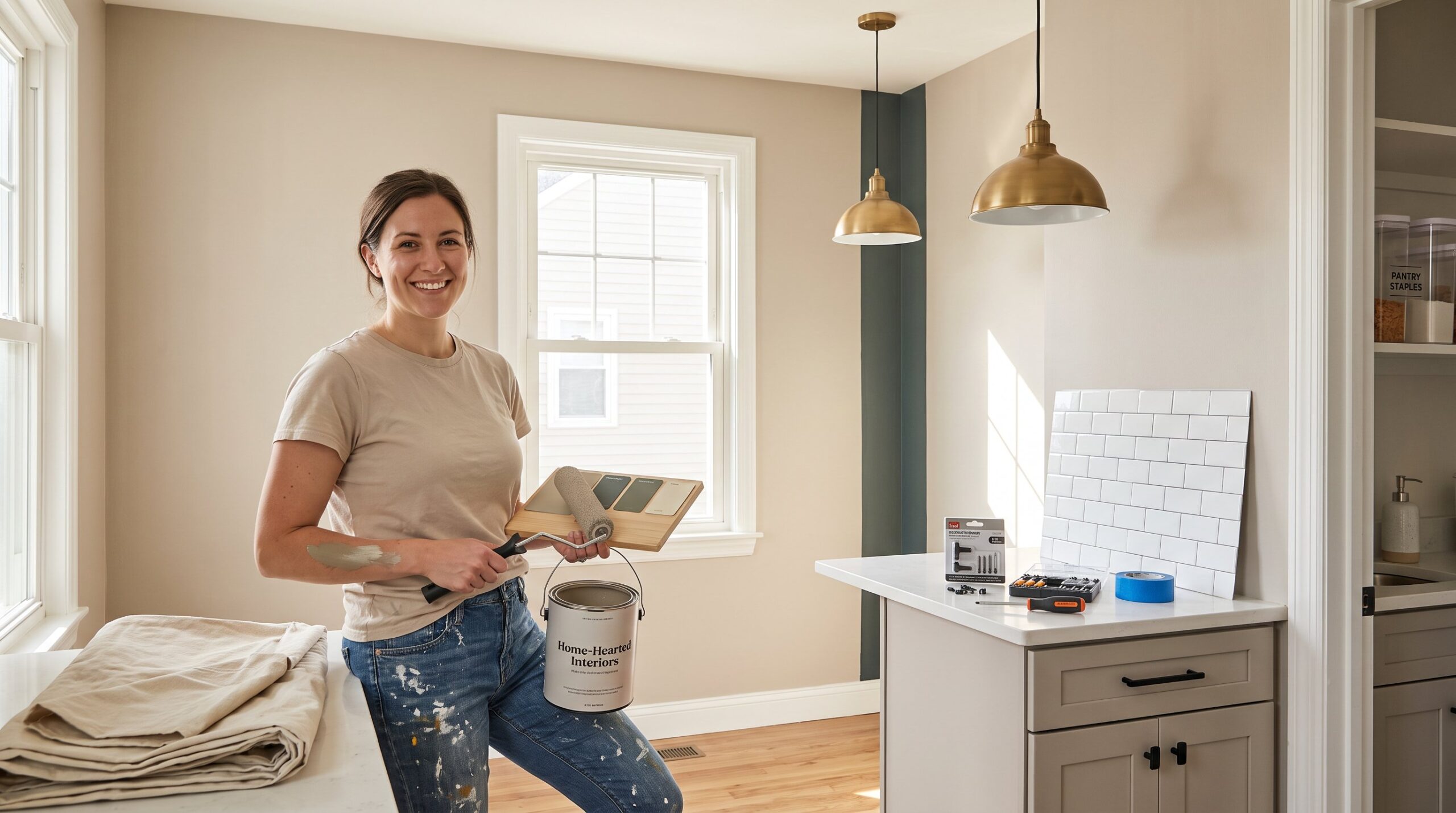
A practical kitchen refresh plan: (1) paint lower cabinet faces one weekend, (2) replace pulls with a consistent finish, and (3) add a peel-and-stick backsplash behind the sink. Each step targets what the eye sees: cabinet depth, hardware detail, and the splash zone. Peel-and-stick tiles typically cost $20–$60 per kit and install in an afternoon without grout.
A specific example: a homeowner painted shaker-style cabinet doors with a bonding primer and satin paint, swapped hardware, and applied a small tile sheet behind the stove. The project cost $180 in materials and made the kitchen appear newer, leading to more positive feedback from guests. For pantry-specific routines and cleaning after a refresh, the site’s cleaning and routines post offers targeted strategies: cleaning routines.
Evidence: trade publications and DIY compilations list similar small-kitchen investments as high-impact, low-cost tactics for 2026 projects.
Budget Bathroom Fixes That Boost Value
A short answer: refreshing caulk and grout, swapping fixtures, and updating vanity hardware make bathrooms look newer and cleaner for small budgets. Often each task is under $100 and collectively they shift buyer perception.
Start with cleaning and thin repairs. Recaulking the tub, regrouting tile lines that show darkening, and replacing a worn showerhead are quick wins. A new water-saving showerhead costs $25–$60 and improves spray while signaling an updated fixture. Replacing a dated vanity light and towel bars in matching metal ties the look together and usually takes one afternoon.
Warning: improper caulk removal can scratch tile or leave gaps. Use a dedicated caulk removal tool, wipe with alcohol before reapplying, and choose a mildew-resistant silicone. Homeowners who followed that sequence avoided rework and reported the bathroom stayed cleaner longer. For starting larger renovation projects later, the site’s renovation planning article helps stage work to stay on budget: renovation planning.
If verification is needed, trusted DIY references catalog dozens of under-$100 bathroom tasks and techniques for 2026 budgets.
Conclusion
Small, targeted updates transform a home’s look affordably. Paint, hardware swaps, paneled accent walls, peel-and-stick backsplashes, and focused bathroom fixes deliver the biggest perceived gains per dollar. Homeowners who pace projects, use the right tools, and follow simple prep steps avoid costly rework and finish projects in weekends rather than months.