There is a version of home entertaining that most of us have experienced as guests: the food arrives lukewarm, the host is visibly stressed, the conversation stalls, and everyone leaves a little earlier than planned. And then there is the other kind. The kind where the evening has a rhythm, the food is genuinely good, and you find yourself still at the table two hours after you expected to leave. The difference between those two experiences is rarely about budget. It is about intention.
Whether you are planning an intimate dinner for eight or a backyard celebration for fifty, the principles that separate a memorable home event from a forgettable one are the same. Here is how to get them right.
Start with the Guest Experience, Not the Menu
Most people begin planning a home event by deciding what they are going to cook or serve. That is the wrong starting point. The first question to answer is: what do you want your guests to experience from the moment they walk in the door to the moment they leave?
Think about the flow of the evening. Will guests arrive to drinks and appetizers while they mingle, or will they be seated immediately? Is the goal a long, relaxed dinner or a more active social event where people move around? Is the tone formal or casual, celebratory or intimate?
Answering those questions before you plan anything else gives every subsequent decision a clear direction. The food, the table setting, the lighting, the music, and the timing all serve the experience you are trying to create. When they are chosen independently rather than as part of a coherent plan, even individually good decisions can work against each other.
The Table Setting Does More Work Than You Think
Interior designers will tell you that the way a table is set communicates a great deal before anyone has tasted a single thing. A thoughtfully arranged table signals that the host has considered their guests, that the evening matters, and that this is a space where people are meant to feel taken care of.
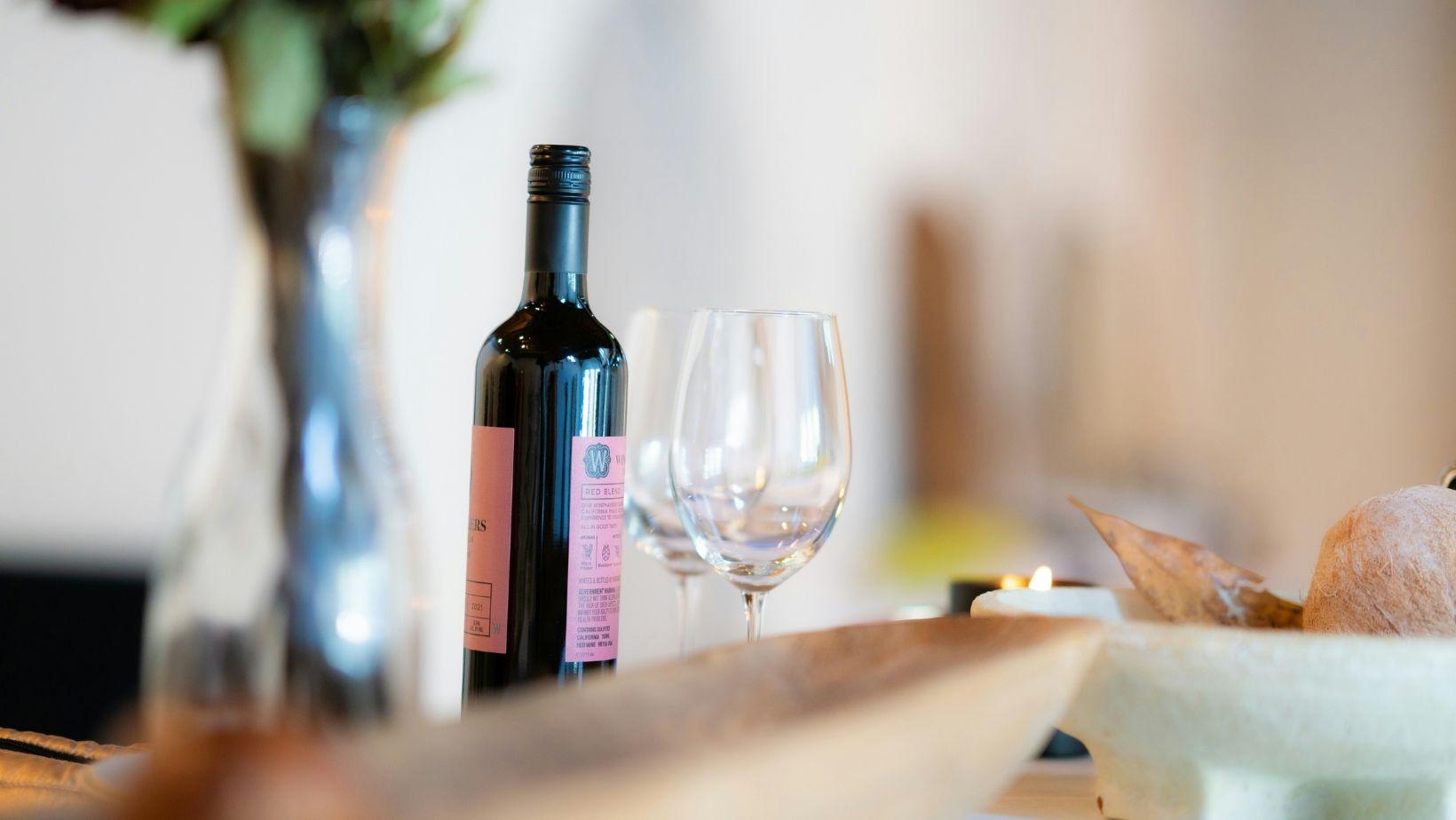
You do not need formal china or elaborate centerpieces to achieve this. What you need is intention. A consistent color palette, candles at the right height so they do not obstruct conversation, glassware that feels substantial in the hand, and enough space between place settings so no one feels cramped.
Fresh flowers or greenery from your own garden add warmth without expense. A single stem in a simple vase at each end of the table often does more than an elaborate floral arrangement in the center. The goal is an atmosphere, not a display.
According to HGTV’s table setting guide, one of the most common mistakes home hosts make is over-decorating the center of the table at the expense of the conversation space. Guests need to be able to see each other comfortably. Everything else is secondary.
Lighting Changes Everything
If you take one piece of advice from this article, let it be this: dim your lights before your guests arrive and do not turn them back up.
Overhead lighting is the enemy of atmosphere. It flattens the space, washes out the table, and creates an environment that feels more like a cafeteria than a dinner party. Candles, low lamp light, and string lights in an outdoor space create warmth and a sense of occasion that no overhead fixture can replicate.
If your home’s lighting is not easily dimmable, invest in a few inexpensive plug-in lamps placed at lower heights around the entertaining space. The transformation is immediate and requires no renovation. Architectural Digest consistently cites layered lighting, meaning multiple light sources at different heights rather than a single overhead source, as one of the most impactful and accessible changes any home entertainer can make.
The Food Question: When to Cook and When to Call in Help
Home cooking carries genuine warmth and personal meaning that catered food cannot fully replicate. When you cook for someone, you are giving them something of yourself, and guests feel that. For an intimate dinner of four or six people where you know the menu well and have time to prepare, cooking yourself is often the right choice.
But there is a threshold. It arrives at different points for different hosts, but it arrives. When the guest count grows beyond what you can comfortably manage, when the event is important enough that execution matters as much as intention, or when the effort of cooking leaves you too depleted to actually enjoy your own event, the calculus changes.
This is where professional catering for home events has become a much more practical option than most people assume. Services like McEwan Catering, which delivers chef-prepared gourmet meals across Toronto and the GTA for everything from intimate home dinners to larger private events, allow hosts to bring genuine culinary quality to their table without spending the day in the kitchen. The food arrives fresh and ready to serve, and the host gets to be present for the actual event rather than managing a stove while guests wait.
The shift in how an evening feels when the host is relaxed and engaged rather than preoccupied with the kitchen is significant. Your guests feel it. The conversation is easier, the pacing is better, and the whole event has the quality of something that was planned rather than survived.
Timing and Pacing Are Underrated
The rhythm of a home event matters enormously, and it is one of the things that separates experienced hosts from well-intentioned ones.
Guests should never be waiting. Not for drinks when they arrive, not between courses, not for a reason to move from one part of the evening to the next. Dead time creates awkward energy that is hard to recover from. But equally, events that move too quickly feel rushed and do not give people the space to settle in and enjoy themselves.
A rough template that works for most dinner parties: allow 45 to 60 minutes for drinks and appetizers as guests arrive and find their footing socially. Move to the table for a first course within that window. Keep the gap between courses to no more than 15 minutes. Leave plenty of time after the main course for dessert to arrive unhurriedly, then coffee, then the natural winding down that happens when people are satisfied and comfortable.
The Food Network’s entertaining guides consistently emphasize that the biggest pacing mistake hosts make is underestimating how long people want to linger at the table after a good meal. Do not clear the table too quickly. Let the evening breathe.
The Details That Guests Remember
After an event, people rarely remember the specific dishes they ate or the exact details of how the table was set. What they remember is how the evening felt, and that feeling is usually created by small, considered details rather than grand gestures.
A handwritten place card at each seat. A small favour left for guests to take home. A playlist that fits the mood of the evening without demanding attention. A moment when the host raises a glass and says something genuine about why the people in the room matter to them.
These things cost very little. But they communicate something that no amount of expensive food or elaborate decor can substitute for: that the host thought about their guests as individuals and wanted the evening to mean something for each of them specifically.
After the Event
The host’s job does not end when the last guest leaves. A follow-up message the next day, even just a brief note saying you enjoyed the evening, completes the experience in a way that guests notice and appreciate. It is a small gesture that makes the memory of your event a little warmer and a little more likely to be returned in kind.
Good home entertaining is not about perfection. It is about creating the conditions for real connection. Get the atmosphere right, feed people well, give the evening a shape, and then get out of the way and let your guests do what people have always done when you bring them together and treat them with genuine care: they relax, they open up, and they have a better time than they expected.
That is what they will talk about afterward.