A roof isn’t usually the part of the home that people think about on a day-to-day basis, but it is the quiet guardian of comfort, efficiency, and long-term durability. When a roof begins to age or deteriorate, the signs can be subtle at first: tiny leaks after a storm, shingles curling under the summer heat, or insulation that no longer keeps the home evenly warm. With time, those small issues can shift the atmosphere of a living space and even affect its value.
Why Roof Condition Matters More Today
Stronger seasonal storms, more frequent heatwaves, and prolonged moisture all put pressure on roofing materials. Many families also spend more time indoors now, so problems like uneven temperatures, drafts, and hidden humidity become more noticeable and disruptive. When the roof is functioning well, these issues stay out of the way. When it isn’t, daily comfort can slip surprisingly fast.
A roof also plays a huge role in energy efficiency. Older or damaged roofs can make your HVAC system work harder, increasing utility costs. Homeowners can often expect a return on investment of 50% when they replace a roof, thanks to energy savings and increased resale appeal.
How to Recognize Early Signs of Trouble
Trouble often starts at the edges. After heavy weather, look for shingles that have loosened, cracked, or disappeared. These gaps allow water to travel into the deeper layers of the roof, where it can stay trapped long after the surface looks dry. Indoors, water rings on ceilings, soft wall patches, or unexplained musty smells can be indicators of slow leaks.
Ventilation is another area where minor issues escalate quickly. Poor airflow in the attic encourages moisture buildup, and that can affect wood framing, insulation, and even indoor air quality. A quick seasonal check helps catch these changes before they evolve into expensive repairs.
When Replacement Becomes the Right Choice
Every roof reaches a moment when patching no longer provides a long-term solution. This usually happens when the materials have aged past their expected lifespan, or damage from storms or moisture becomes widespread. At this stage, homeowners often consider residential roof replacement not only to fix problems but to prevent deeper structural harm.
A full replacement also offers the benefit of modern materials. Today’s shingles and underlayments can handle stronger UV exposure, rapid temperature changes, and heavier rainfall. Homes built even twenty years ago may never have had access to these more resilient technologies, so replacing the roof can significantly extend the home’s future durability.
How a New Roof Enhances Day-to-Day Living
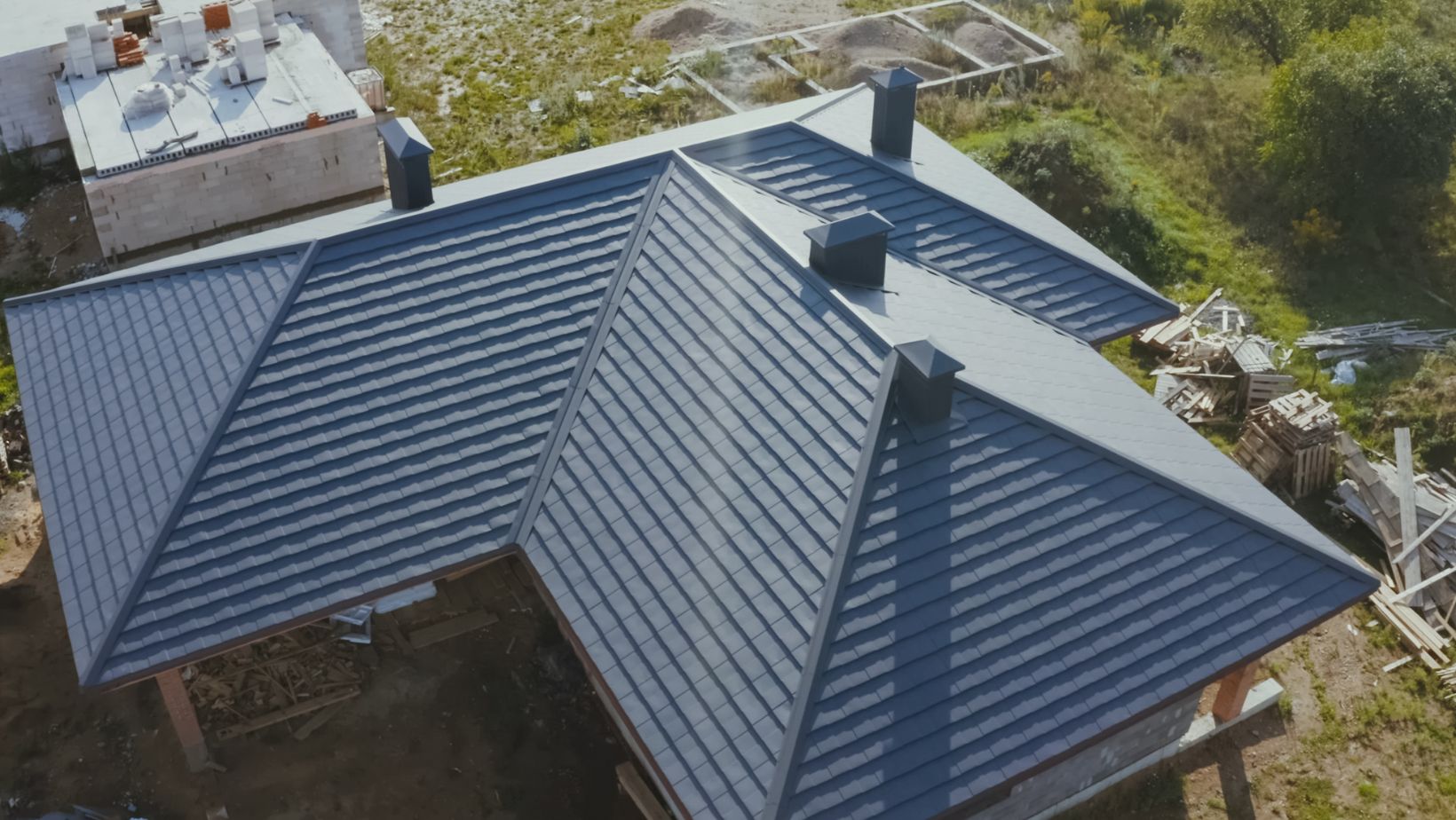
There is an immediate difference in the way a home feels after a new roof is installed. Rooms stay cooler in summer and warmer in winter because insulation and ventilation are working efficiently. Noise reduction also improves: rainfall sounds softer, and outside activity becomes less intrusive.
A fresh roof also brightens a home’s exterior. Color, texture, and clean lines give the property a renewed sense of care, which contributes to curb appeal. For homeowners considering a future sale, this is one of the upgrades buyers notice quickly.
Preparing for a Smooth Replacement Experience
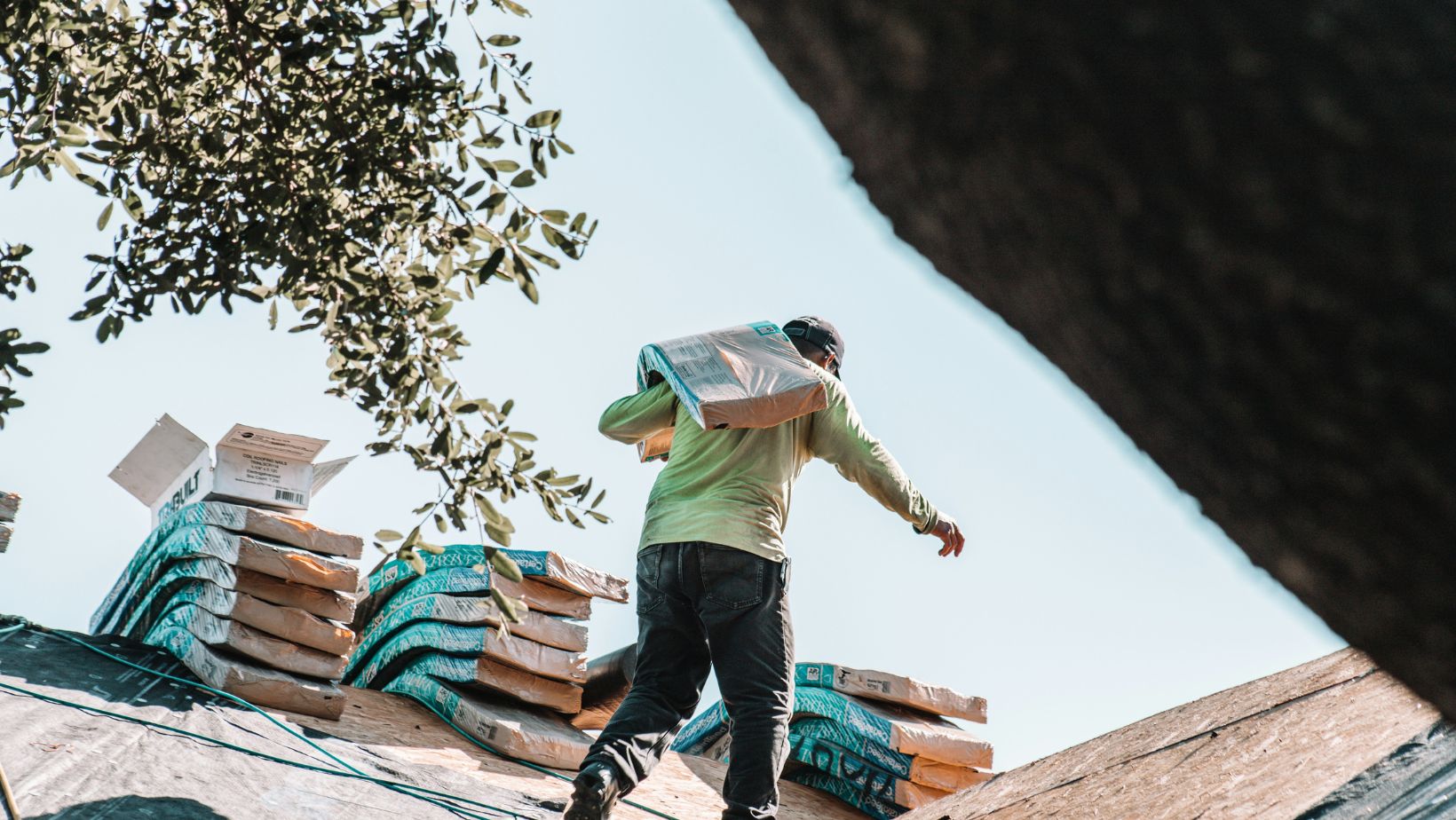
The process becomes easier when homeowners take a little time to prepare. Clearing the attic prevents dust from settling on stored items and makes inspection easier. Trimming branches around the house provides safer access for the crew and protects landscaping.
It also helps to check in with the contractor about the project timeline so you know what to expect on installation days. During replacement, reputable roofing teams usually protect siding, windows, and outdoor spaces with tarps and boards. Homeowners can continue most normal routines indoors, though it’s useful to prepare pets or sensitive family members for the noise.
Endnote
A sturdy roof quietly supports everything that makes a house feel like home. It protects against weather, stabilizes indoor comfort, and adds lasting value to the property. When homeowners invest in its well-being, through inspections, repairs, or full replacement, they also invest in the peace of mind that comes from knowing the structure above them is secure and dependable.