Quick Answer
Vinyl siding in Calgary takes a beating from hail, intense UV, and constant freeze-thaw swings that make panels brittle and prone to cracking. Most damage shows up as cracks, warping, fading, or panels that pop loose from their tracks. Small problems usually need a simple panel swap, while widespread damage or hidden moisture behind the wall points toward a larger fix. Catching issues early keeps repairs quick and affordable.
Introduction
Ever walked past your house after a summer hailstorm and spotted a fresh crack running down a panel? In Calgary, that happens to thousands of homes every year. Siding is the outer shell that keeps wind, water, and pests out, so even a small break deserves a closer look before it turns into something worse.
The trouble is that damage often hides in plain sight. A panel that looks fine from the street may be trapping moisture behind it, quietly rotting the wood underneath. Homeowners who want to understand their options before problems spread often turn to vinyl siding repair Calgary for a clearer picture of what a fix involves.
Knowing what causes the damage makes it far easier to catch and fix. Let’s look at the culprits behind cracked, warped, and faded siding on Calgary homes.
What Wears Down Vinyl Siding on Calgary Homes
Calgary’s weather is tough on exterior materials, and vinyl feels every swing of it. The city sees several significant hailstorms each summer, blazing sun through the warmer months, and a winter that pushes temperatures up and down over and over. Each of these forces attacks siding in its own way, and most panels face all of them at once. Here are the main causes homeowners run into:
- Hail impact: Direct hits crack, chip, or puncture panels, and the damage isn’t always visible from the sidewalk.
- Freeze-thaw cycles: Water works into small gaps, freezes, expands, and forces panels apart or off their tracks.
- UV exposure: Steady sunlight bleaches the colour and leaves the surface chalky and dull over the years.
- Age and brittleness: Older vinyl grows stiff in the cold, so it snaps rather than flexes on impact.
- Poor installation: Panels nailed too tightly can’t expand and contract, which leads to buckling and warping.
- Trapped moisture: Water sneaking behind panels rots the sheathing long before you notice a soft spot.
Warning Signs of Cracked or Warped Panels
Your siding usually warns you before things get serious. Warping or buckling tends to show up first around windows, doors, and corners, where panels meet trim. Cracks let moisture slip into the wall, which can lead to rot or mould if ignored. Fading is more cosmetic, but widespread discolouration can signal that the material is past its prime. A quick walk around the house a few times a year, especially after a big storm, helps you catch small issues while they’re still cheap to fix.
Matching the Repair to the Type of Damage
Not every problem calls for the same solution. The table below breaks down the common issues and what they typically require:
|
Type of Damage |
Usual Cause |
Typical Fix |
|
Single cracked or dented panel |
Hail or a stray impact |
Straightforward panel swap |
|
Panel popped out of its track |
Wind or freeze-thaw movement |
Reseat and refasten the panel |
|
Widespread fading |
Years of UV exposure |
Replace affected panels or re-side |
|
Warping or buckling |
Tight nailing or trapped heat |
Correct fastening and replace panels |
|
Soft spots behind siding |
Hidden moisture and rot |
Repair sheathing, then re-panel |
One thing worth knowing is that vinyl profiles get discontinued every few years, so a colour and texture match isn’t always guaranteed. An Elite Exteriors Pro siding repair expert will source the closest option available locally, though special orders can add a week or two to the timeline. For homeowners weighing an upgrade during a repair, insulated vinyl siding offers a thicker, more energy-efficient alternative that stands up better to both dents and temperature swings.
Once you understand what you’re dealing with, the next question is usually a practical one: repair the damage, or replace the wall entirely?
Repair or Replace: Making the Right Call
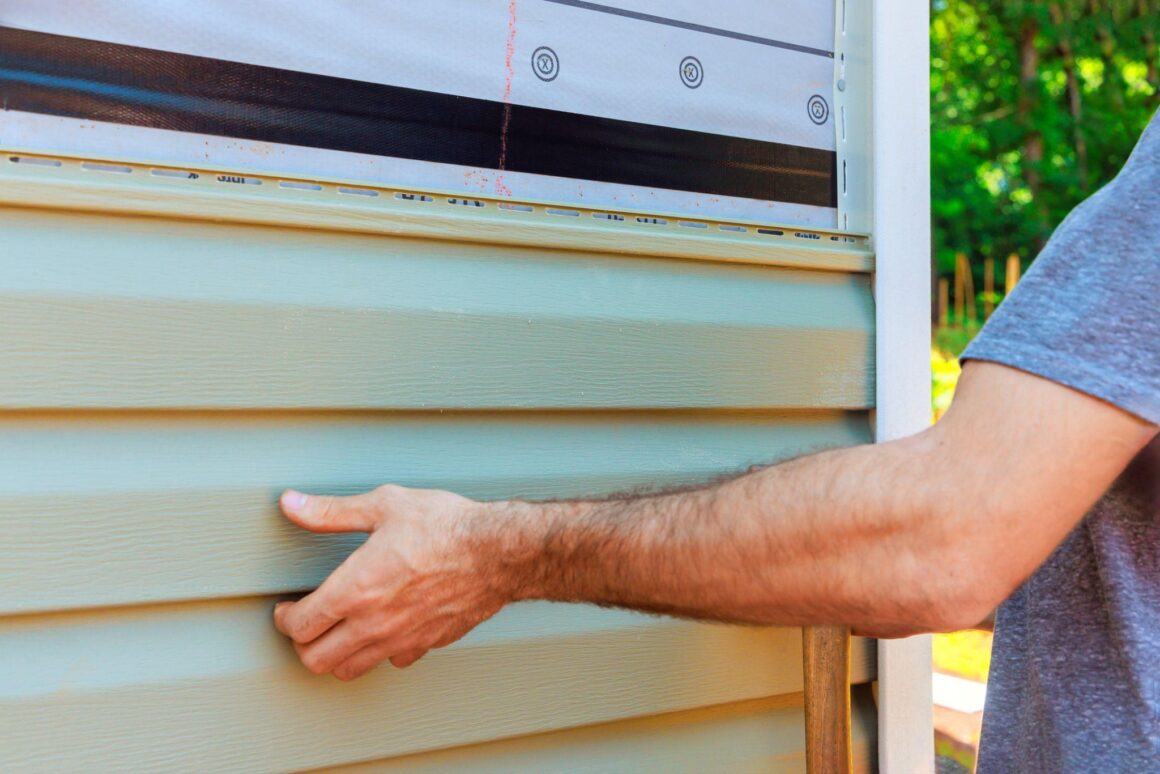
Once the damage is clear, the choice comes down to scope. A localized crack or a single loose panel is a fast job, while hidden rot or aging material across the whole house tells a different story. Getting this call right saves both money and headaches down the road.
Here’s a simple way to think about which path fits your situation:
- Lean toward repair when: the damage is limited to one or two panels, the siding is relatively young, and there’s no moisture behind the wall.
- Lean toward replacement when: the material is over 20 years old, rot is found underneath, or hail has hit a large share of your walls.
Cost usually follows scope closely. Minor jobs like a single cracked panel or a section that popped loose tend to run a few hundred dollars and wrap up in an hour or two. Moderate work involving several panels, colour matching, or wall prep sits higher. A full siding replacement Calgary is a much larger investment, which is why catching problems early matters so much. Industry pricing guides put localized repairs in the low hundreds, while whole-home projects climb into the thousands depending on material and access.
Simple Maintenance That Extends Siding Life
A few habits keep your siding performing longer and reduce how often you’ll need a contractor:
- Rinse panels once or twice a year to clear dirt and slow fading.
- Check trim and caulking around windows after harsh weather.
- Address small cracks quickly before moisture reaches the sheathing.
- Trim back shrubs and branches that scrape against the wall.
Working with a licensed contractor is the safest route for anything beyond a minor swap, since a professional will inspect the sheathing before installing new panels rather than covering up a hidden problem. That single step prevents the most common shortcut on rushed jobs. With the right care and timely attention, your siding can handle Calgary’s weather for years.
Protecting Your Home’s Exterior Year-Round
Vinyl siding gives Calgary homes solid, affordable protection, but it wears down like any other material. Hail, relentless sun, and the endless freeze-thaw grind all leave their mark, showing up as cracks, warping, fading, or panels knocked loose from their tracks. The trick is to stay ahead of it. A quick walk around your house a few times a year, especially after a storm, turns a looming repair into a small one.
When damage does appear, matching the fix to the problem keeps costs sensible, whether that’s a single panel swap or a broader upgrade. Address issues while they’re small, lean on a qualified pro for anything structural, and your siding will keep your home sealed against the elements for many winters. Spot the small stuff early, and you’ll rarely face the big stuff.