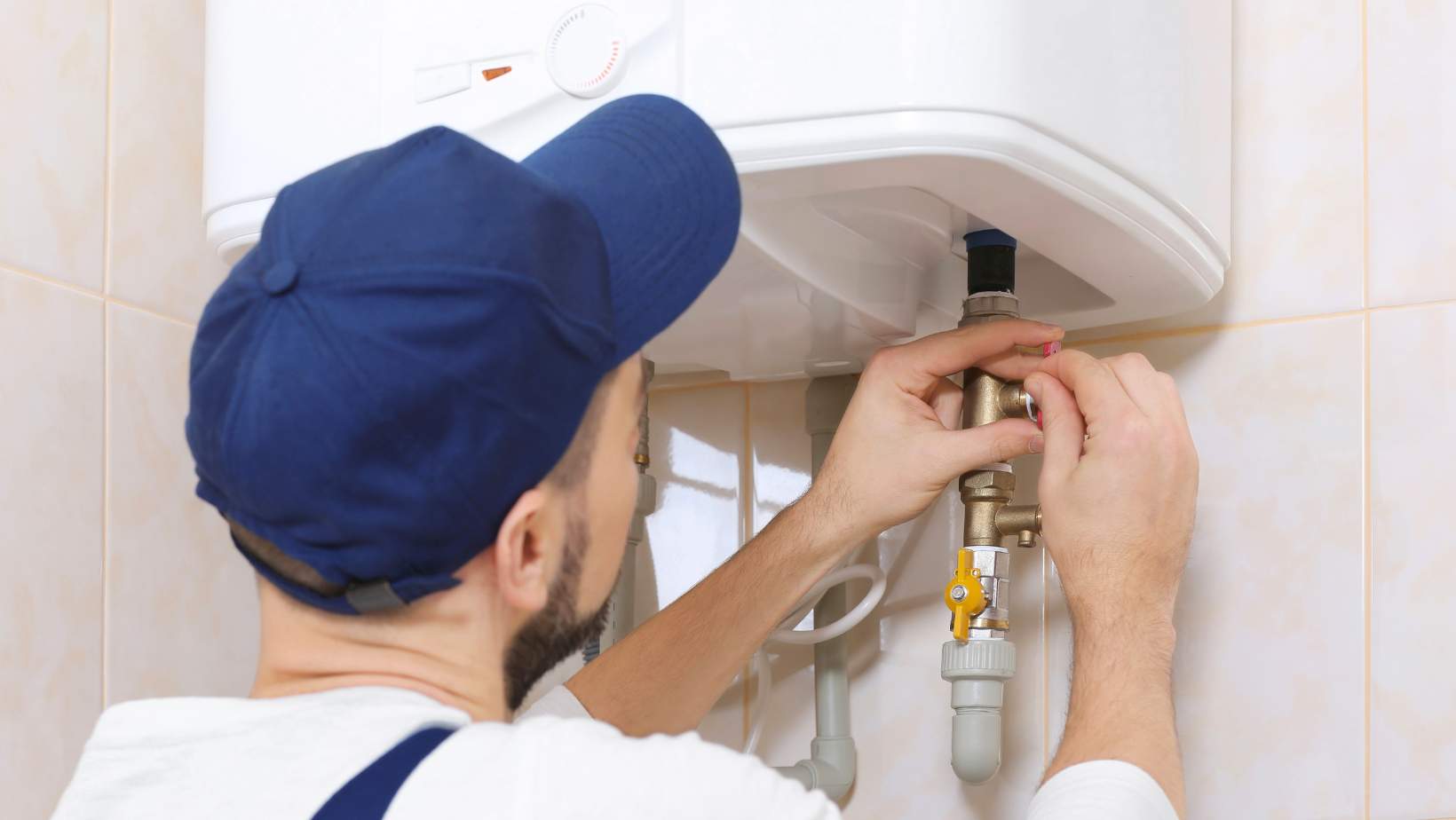
When it comes to essential home systems, few things are as quietly important as your water heater. It’s one of those pieces of equipment that most homeowners don’t think about, until it stops working. Hot showers, laundry, dishwashing, even routine cleanup all depend on a reliable supply of hot water. Yet traditional water heaters with bulky tanks and limited capacity often struggle to keep up with modern demands.
For many homeowners who start exploring upgrades, researching solutions leads them to professionals like KYPD Service in Lexington, where tankless systems and updated water heater technologies are discussed as long-term alternatives to old-style tank units. Tankless water heaters have become increasingly popular because they deliver hot water on demand, improve efficiency, and can reduce the environmental footprint of a home’s energy use.
But is a tankless water heater right for every home? What are the real benefits and the potential trade-offs when considering this upgrade? This article will walk you through the key considerations so you can make an informed decision that supports comfort, efficiency, and value for years to come.
Why Water Heaters Matter More Than You Think
Hot water is nothing short of a cornerstone of everyday living. From the invigorating morning shower to sanitizing dishes and laundry, reliably heated water plays a role in health, sanitation, and comfort.
Traditional tank water heaters store a large volume of heated water, often 40 to 80 gallons and maintain it at a preset temperature around the clock. While this approach works, it comes with inherent limitations:
Standby heat loss: Even when no hot water is being used, energy is consumed to keep the entire tank heated.
Finite capacity: Once the stored hot water is depleted, you must wait for the tank to refill and reheat.
Bulky footprint: Tank units take up significant space, limiting placement options in smaller homes or utility areas.
These limitations have led many homeowners to explore alternatives that align more closely with modern lifestyles and energy cost concerns.
What Makes Tankless Water Heaters Different
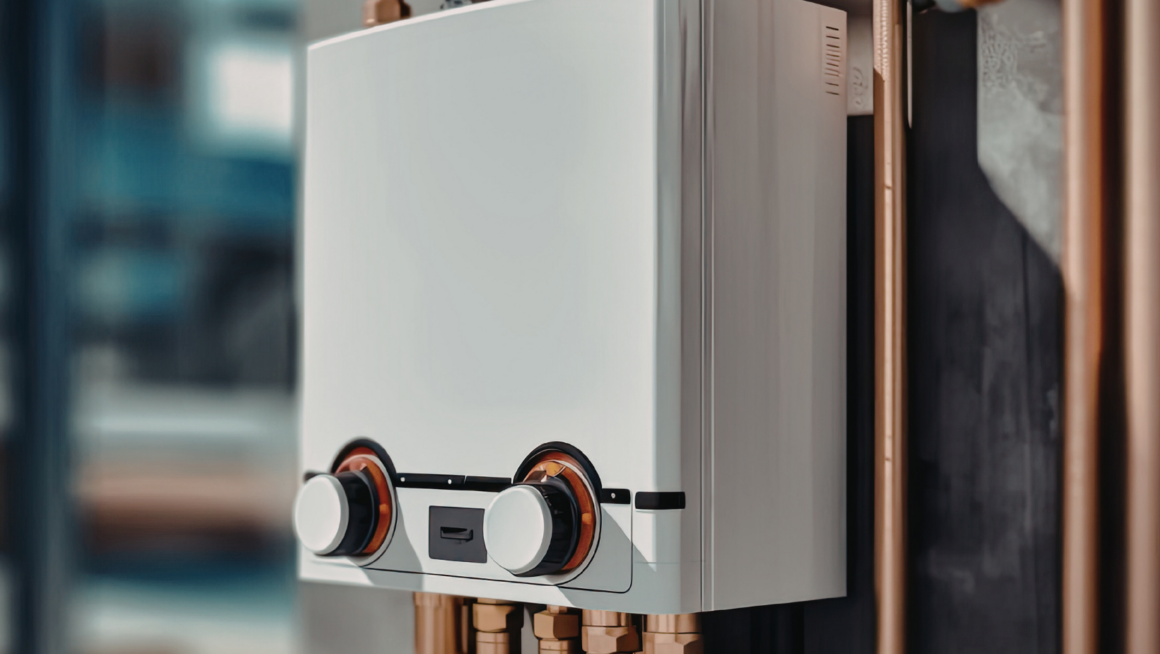
Tankless systems also known as on-demand water heaters heat water only when it’s needed. Instead of storing hot water in a reservoir, a tankless system uses high-powered burners or electric elements to rapidly warm water as it flows through the unit.
This design yields several significant advantages:
1. Endless hot water
Unlike tank units that run out during heavy use, tankless systems provide continuous hot water, ideal for larger families or homeowners who enjoy long showers or simultaneous household tasks.
2. Improved energy efficiency
Because tankless systems eliminate standby heat loss, they can be significantly more energy-efficient. Many homes see measurable reductions in utility bills, particularly if they previously had older or poorly insulated tank heaters.
3. Space savings
Tankless units are compact and often wall-mounted, freeing up floor space for storage or other uses.
4. Longer lifespan
Tankless water heaters often last longer than traditional tank models, reducing the frequency of full replacements over time.
These features make tankless systems attractive but they also introduce questions about installation, cost, and maintenance that deserve careful consideration.
The Real Costs: Upfront vs. Long-Term
One of the most common questions homeowners ask is: How much will a tankless water heater cost?
Undeniably, the upfront investment for a tankless system, particularly a high-output unit designed for an entire household is higher than a standard tank unit. Installation may also require modifications to gas lines, ventilation, or electrical systems.
However, when evaluating long-term value, it’s important to look beyond the sticker price. Tankless systems can:
- Reduce monthly energy expenses
- Last up to 20+ years with proper maintenance
- Lower environmental impact through improved efficiency
- Increase resale appeal by showcasing modern infrastructure
In many cases, homeowners find that the long-term savings and performance advantages outweigh the initial cost difference when viewed over the lifetime of the unit.
Energy Efficiency and Environmental Impact
Energy efficiency isn’t just about saving money. It’s also about reducing the environmental footprint of daily living.
Tankless water heaters typically achieve higher energy factor (EF) ratings than conventional tank systems. This is mainly because they do away with the constant reheating cycle that wastes energy in storage.
When households debut efficiency upgrades such as improved insulation, energy-efficient appliances, or high-efficiency water heaters the cumulative effect is a more comfortable home with lower overall energy demand.
Given rising energy costs and increasing focus on sustainability, tankless systems offer a practical way for homeowners to reduce consumption without sacrificing comfort.
Sizing and Performance: One Size Doesn’t Fit All
A common misconception is that a tankless water heater is a universal solution regardless of household size. In reality, correct sizing and performance depend on specific needs.
Factors that influence system sizing include:
- Number of occupants
- Peak hot water usage times
- Fixture flow rates (showers, faucets, appliances)
- Climate (incoming water temperature)
For example, a household with multiple simultaneous showers or high-use appliances will require a unit with higher flow capacity than a smaller home. Improper sizing can lead to hesitation in hot water delivery, the very problem homeowners hoped to solve.
This is where professional installation and consultation make a measurable difference. Specialists assess household patterns and match units that deliver the right capacity without overspending or underperforming.
Installation Considerations
Tankless water heater installation is not a DIY weekend project, it requires experience, planning, and attention to detail.
Key considerations include:
Fuel type: Gas units may require updated venting and combustion air supply; electric units need sufficient electrical capacity.
Ventilation: Proper venting prevents moisture issues and ensures safe operation with gas appliances.
Water quality: Hard water can affect heat exchanger life; pre-treatment may be advisable in some areas.
Location: Accessibility for service, proximity to fixtures, and space planning all influence efficiency and maintenance ease.
Qualified technicians bring the knowledge to navigate these nuances and ensure code-compliant, safe installations that hold up over time.
Maintenance Matters — It’s Not “Set It and Forget It”
Tankless systems have different maintenance needs than traditional tanks but that doesn’t mean they require less care.
Routine maintenance often includes:
- Flushing mineral buildup annually (especially in hard-water areas)
- Checking gas lines or electrical connections
- Inspecting exhaust and intake venting
- Monitoring flow rates and temperature performance
Regular service extends the life of the unit and keeps performance at peak levels. Without it, mineral buildup or blocked venting can reduce efficiency or lead to premature wear.
A proactive maintenance schedule ensures comfort and prevents emergency repair calls during inconvenient times.
Real-World Performance: What Homeowners Notice
Many homeowners who switch to tankless water heaters report noticeable differences:
Hot water availability that keeps pace with demand, no cold transitions during peak use
More consistent water temperatures even with multiple fixtures running
Reduced monthly energy bills with sustained efficiency gains
Improved home value appeal for future buyers
These experiences illustrate how infrastructure upgrades when thoughtfully selected and installed influence daily life in practical, perceptible ways.
Not Just Homes, Wider Applications
Tankless water heating isn’t limited to residential bathrooms and kitchens. It’s also valuable in:
- Multi-unit residential buildings
- Home additions with independent hot water needs
- Workshops or detached living areas
- Energy-efficient new builds
The adaptability of tankless systems makes them relevant in a variety of contexts, wherever on-demand hot water is desired.
Balancing Innovation With Practicality
Innovation doesn’t always mean replacing every classic system with the newest technology. It means judiciously applying innovations where they enhance comfort, efficiency, and longevity. Tankless water heaters are a clear example: they address known limitations in standard tank systems while introducing measurable benefits that align with modern living patterns.
That said, not every home needs the highest-capacity commercial tankless unit. The key is matching technology to lifestyle, and that starts with accurate assessment, something experienced service professionals help homeowners with when evaluating options.
A Hot Water Future That Makes Sense
Hot water touches nearly every part of daily life, yet it’s so easily taken for granted, until a cold surprise reminds us how dependent we are on reliable systems. Tankless water heaters represent more than an upgrade; they reflect a shift toward on-demand efficiency that aligns with contemporary expectations.
By weighing long-term savings, comfort improvements, environmental impact, and maintenance realities, homeowners can decide with confidence whether a tankless solution fits their needs. Expert consultation ensures that choice is informed and tailored, not guesswork.
Reliable hot water isn’t a luxury, it’s a foundation of daily living. Upgrading thoughtfully means your home supports you not just today, but for many years to come.