School holidays offer children a welcome break from lessons, homework and early mornings. For parents, however, longer days can prompt a familiar question: how do you keep children active, entertained and happily occupied without relying on screens?
The answer need not involve a packed schedule. A good holiday routine can include outdoor play, creative projects, family activities and organised sessions that give children opportunities to move, learn and socialise.
For parents seeking holiday activities, the best options match a child’s age, interests and energy levels while leaving enough time to rest. From simple activities at home to organised holiday camps, there are plenty of ways to make the school break enjoyable.
What Do Kids Need During School Holidays?
Children generally benefit from a mix of movement, social interaction, creative play and downtime. The school holidays offer a chance to introduce activities that may be hard to fit into a normal school week.
This does not mean every hour needs to be planned. In fact, leaving some free time allows children to choose their own games and interests. The aim is to create a flexible routine rather than a timetable packed from morning until bedtime.
Parents can start by considering three simple questions:
- Does my child get enough opportunities to move?
- Are there activities that encourage creativity or learning?
- Does the routine leave enough time for rest and unstructured play?
Once you consider these needs, choosing activities becomes much easier.
How Holiday Clubs for Kids Can Keep Them Active
For families seeking a structured option, holiday clubs for children can offer a useful balance of physical activity, games and social time. Gymfinity Kids runs holiday camps for children aged 5 to 14 during the school holidays, with activities including gymnastics, ninja activities, games and creative sessions.
The camps welcome members and non-members, and children do not need prior gymnastics experience. Sessions are grouped by age, helping activities suit different stages of childhood.
This type of organised activity can also offer parents a practical option during the working day. Gymfinity Kids’ camps generally run from 8:30 am to 3:30 pm, although families should check their chosen club for current availability and arrangements.
Start With Simple Outdoor Activities
You do not need specialist equipment to get children moving. A trip to a local park can become an afternoon of games, walking, cycling or ball games.
Try giving children a small challenge rather than simply telling them to go outside. They could create an obstacle course, organise a treasure hunt, or see how many different types of leaves, flowers or birds they can spot.
Outdoor activities can also be adapted for different ages. Younger children may enjoy simple races and games, while older children might prefer cycling, football, skateboarding or a longer walk with friends.
The key is to make movement enjoyable rather than presenting it as another task they have to complete.
Turn the Garden Into a Play Space
A garden, patio or nearby green space can be a useful place for active play during the holidays.
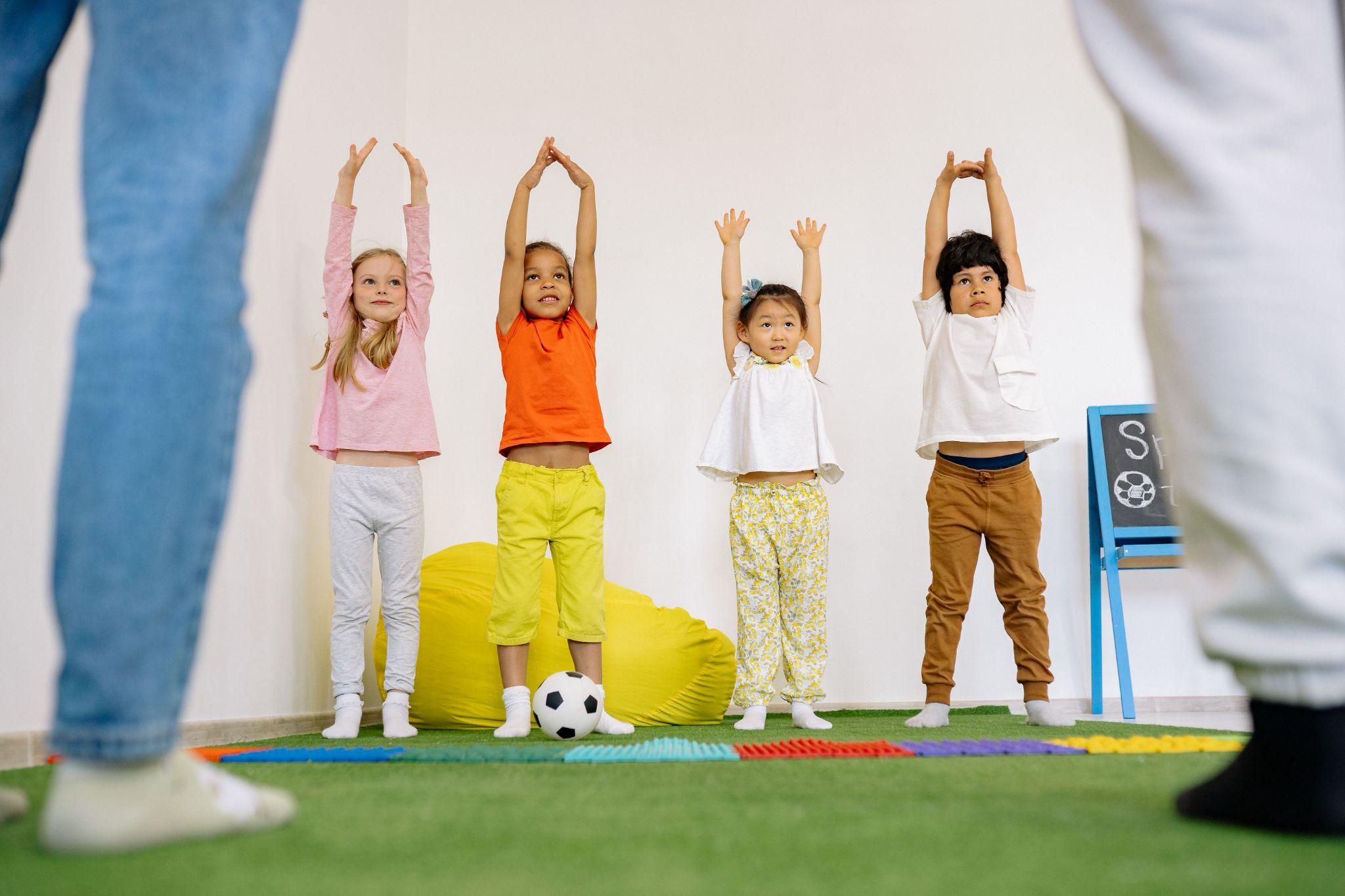
Set up a simple course using items already at home. Cushions, cones, hoops and soft balls can create different stations for jumping, balancing, throwing and crawling.
Parents can also let children help create the activity. Asking them to invent their own course gives them a chance to think creatively and make decisions.
If space is limited, keep the activities small. Balloon games, dancing, skipping and movement challenges can work in compact areas when there is enough safe room.
Mix Physical Activity With Creative Time
Children do not need to choose between being active and being creative. Combining the two can make holiday activities more engaging.
For example, children could create their own dance routine, build an indoor treasure hunt, or make a set of cards for a garden game. A nature walk could serve as the starting point for a drawing or craft project later in the day.
Organised camps can use a similar approach. Gymfinity Kids’ 5+ holiday camps combine gymnastics and ninja activities with themed games and arts and crafts, offering children a variety of activities throughout the day.
A mix of activities can also help prevent boredom. If a child has spent the morning running around, a quieter creative session can provide a welcome change of pace.
Give Children a Chance to Try Something New
School holidays can be a good time for children to try activities outside their usual routine.
A child who enjoys football might like an obstacle course. Someone interested in drawing might enjoy a dance or movement session. Another child may discover an interest in gymnastics, climbing or a team game after trying it for the first time.
Introduce new activities without too much pressure. Children have different interests and confidence levels, so give them opportunities to explore rather than expecting them to excel immediately.
For example, Gymfinity Kids states that children attending its holiday camps do not need to be proficient in gymnastics and welcomes different ability levels.
Plan Activities Around Your Child’s Age
An activity that keeps a five-year-old interested may not appeal to a twelve-year-old. Age is therefore an important consideration when planning the school holidays.
Younger children often benefit from short activities with plenty of variety. Games, crafts, playground trips and imaginative play can work well because they can move between activities as their attention shifts.
Older children may prefer activities that offer a clear challenge or allow them to work with friends. Team games, sports, cycling, creative projects and skill-based activities can all foster a greater sense of independence.
It is also worth asking children what they want to do. Giving them some choice can make them more willing to take part.
Keep Screen Time in Perspective
Screens are part of modern family life, and you don’t need to remove them entirely during the holidays. The bigger goal is to balance screen-based entertainment with other experiences.
One simple approach is to offer an alternative before a child becomes bored. A board game, a walk, a craft project or an outdoor challenge can be easier to choose when the activity is already prepared.
Parents can also create screen-free parts of the day. Breakfast, outdoor play or family meals can become regular opportunities to put devices aside.
The holiday routine does not need to be perfect. If children spend a rainy afternoon watching films, they can still have an active day later in the week.
Make Social Activities Part of the Break
Friendship is another important part of a good school holiday. Children often enjoy activities more when they can share them with friends.
Arrange a trip to the park, organise a football match, invite friends over for a craft afternoon, or consider a group activity outside the home.
Structured holiday activities can also give children opportunities to meet others. Some Gymfinity Kids camps include team-building and problem-solving activities, particularly in its 8+ programme.
These activities give children a chance to work together, practise communication, and learn new skills.
Leave Space for Rest
Keeping children active does not mean keeping them busy all day.
Rest is an important part of a balanced holiday. After a morning of physical activity, children may need a quieter afternoon. Reading, drawing, listening to music or watching a film can all have a place in the routine.
Parents should also expect some days to be less active than others. Weather, tiredness and family plans can change the schedule, and that is perfectly normal.
A flexible approach makes the holidays easier for everyone.
Make the Holidays Active, Social and Enjoyable
Keeping children entertained during the school holidays need not involve expensive trips or constant planning. A mix of outdoor play, creative activities, social time, family outings and organised sessions can give children plenty to look forward to.
The best approach will depend on the child. Some children thrive on new challenges, while others prefer familiar games and plenty of downtime. Offering choices, introducing a variety of activities and allowing time to rest can create a holiday routine that works for the whole family.
For parents seeking a structured way to combine movement, games and creativity, holiday camps can also be worth considering. With the right balance, the school break can become a chance for children to stay active, discover new interests and return to school with plenty of positive experiences to remember.