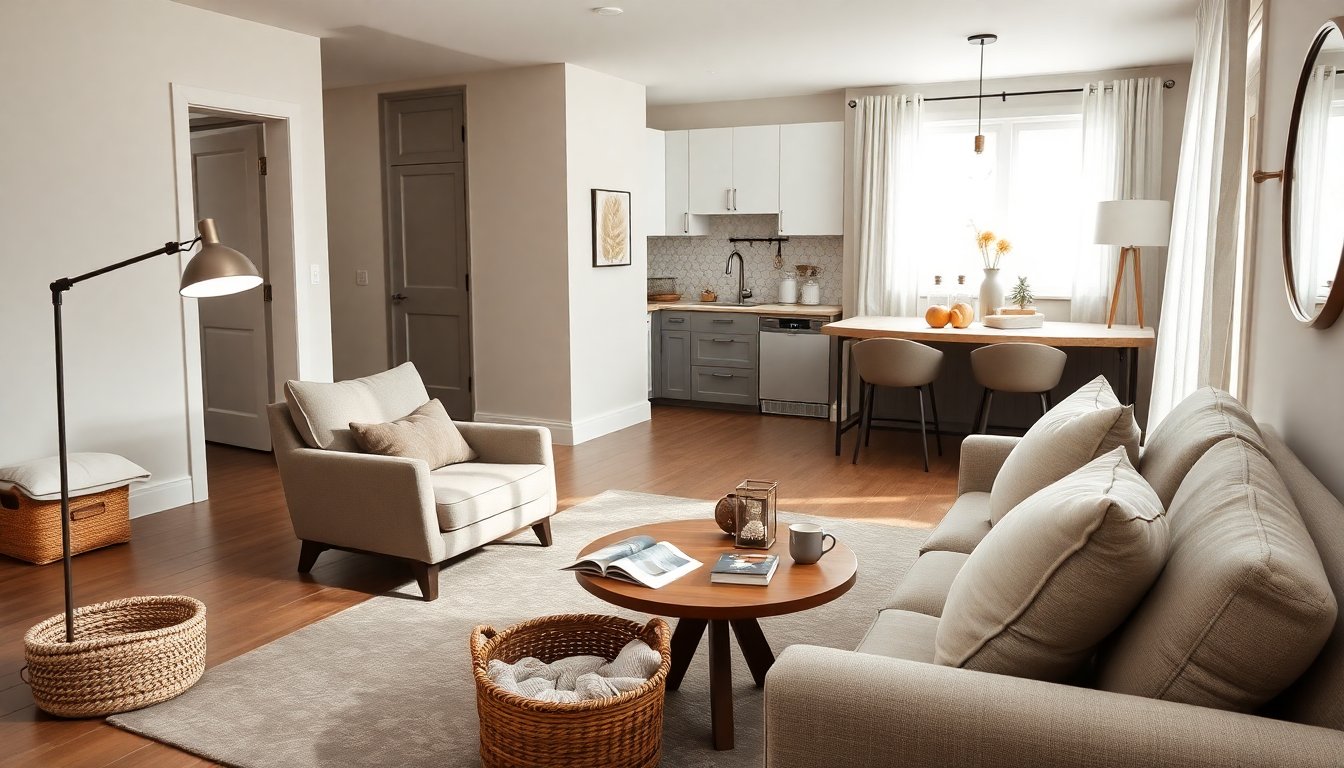
Homehearted interior design focuses on warmth and personal meaning. It uses comfort, memory, and practical layout. It places items for daily life and emotional value. It helps people feel safe, calm, and rooted. This guide explains clear steps and examples for making rooms feel homehearted.
Key Takeaways
- Homehearted interior design prioritizes comfort and personal meaning to create spaces that feel safe and welcoming.
- Incorporating storytelling through objects and functional beauty ensures the home reflects individual history and daily needs.
- Using muted palettes, layered textures, and balanced clutter promotes a calm yet active homehearted environment.
- Room-specific strategies, like placing key items for ease of use, enhance everyday comfort in living rooms, kitchens, bedrooms, and entryways.
- Textiles, lighting, and personal displays are essential styling elements that boost mood and identity in homehearted interiors.
- Consistent accents and simple maintenance routines help maintain a cohesive and inviting atmosphere over time.
What Is Homehearted Interior Design And Why It Matters
Homehearted interior design means arranging a home so it feels lived in and loved. It values comfort and personal items over trends. It uses color, furniture placement, and objects to reflect the resident’s history and habits. It helps people relax after work and connect with family. It improves daily routines by making spaces easy to use and pleasing to the senses. Designers call it a human-first approach because it centers people’s needs. Homehearted interior design also raises the appeal of a house for guests because it reads as intentional and authentic.
Core Principles: Comfort, Storytelling, And Functional Beauty
Homehearted interior design relies on three simple principles. First, comfort. The homeowner picks seating, bedding, and rugs that invite use. Second, storytelling. The homeowner displays objects that reflect trips, hobbies, and family. Third, functional beauty. The homeowner chooses pieces that work well and look pleasing.
Homehearted interior design often uses muted palettes and layered textures to calm the eye. It balances open surfaces with curated clutter so rooms feel active but not chaotic. It places storage near use zones so daily items stay tidy. It plans sightlines so a person sees comforting items when they enter a room.
Designers advise mixing old and new pieces. This mix supports story and function. The homeowner pairs a worn chair with a modern lamp. The homeowner places a family photo near a reading light. These small acts make rooms readable and useful.
Textiles, Lighting, And Personal Displays: Styling Details That Make A Homehearted Room
Textiles set mood and comfort. The homeowner chooses soft throws, washable rugs, and layered cushions. Textiles also add pattern and contrast.
Lighting controls mood and use. The homeowner uses multiple light sources. They add a table lamp by a chair and a dimmable ceiling light for evenings. They place candles or warm bulbs for low-light moments.
Personal displays tell a story. The homeowner groups objects on open shelves and mantels. They rotate items by season or mood. They keep displays small and focused so each object matters. These displays let the home show identity without overwhelming surfaces.
Practical Room-By-Room Strategies For A Homehearted Home
The homeowner plans each room for daily habits and comfort. The homeowner places key items where they use them. This method keeps spaces useful and friendly.
Living Room, Entryway, Kitchen, And Bedroom Tips For Everyday Comfort
Living room: The homeowner creates a clear seating zone. They place the sofa to face a focal point like a fireplace or window. They add a side table near each seat for drinks and books. They choose seating that invites use and sleepovers. They add a low shelf for current reads and a basket for blankets.
Entryway: The homeowner uses hooks, a small bench, and a tray for keys. They pick a lamp or wall sconce to give soft light on arrival. They add a mirror at eye level so people check looks before leaving. A storage bench keeps shoes out of sight and cushions offer a quick seat.
Kitchen: The homeowner keeps everyday dishes and tools within reach. They store knives, mugs, and cutting boards near the work surface. They set a small herb pot on the windowsill for scent and life. They place a coffee station on a counter so the morning routine flows. Clear jars for staples add order and warmth.
Bedroom: The homeowner centers sleep comfort. They select a mattress and bedding for rest. They add bedside tables with lamps and a small shelf for a book. They place a chair or bench for clothing and a rug for soft feet in the morning. They store seasonal items in labeled bins to reduce clutter.
Across rooms: The homeowner uses consistent accents like warm metals or a repeat color to connect rooms. They allow breathing space around collections so objects read as choices. They rotate art and textiles to refresh feeling without changing everything.
Natural light improves mood and detail. The homeowner controls light with blinds, sheers, and dimmers. For large indoor-outdoor spaces, designers note that movable roof and shade systems affect interior light and comfort: the retractable roof system at some venues shows how light control changes space use and mood. This control helps a homeowner plan seating and plant placement for best light.
Finally, the homeowner adopts simple maintenance habits. They clear surfaces weekly, wash textiles on a schedule, and keep a donation box for items that no longer fit the story. Small care habits let rooms stay inviting and honest.