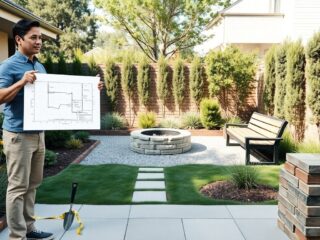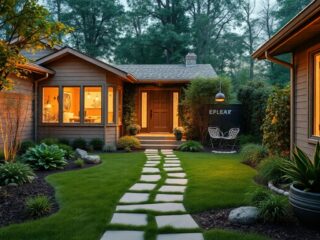
Older homes have a feeling newer homes often try to copy. The rooms may have deeper character, familiar corners, solid materials, settled gardens, better proportions, or simply the kind of comfort that comes from years of living. But even a loved home can begin to feel tired.
A kitchen may be too dark. A bathroom may feel cramped. The basement may stay cold and unused. Storage may be poor. Flooring may look worn no matter how often it is cleaned. The layout may no longer suit how the family lives now.
Renovation does not have to erase the home’s personality. In fact, the best renovation often does the opposite. It keeps what feels good and improves what makes daily life harder.
With the right Home renovation services Edmonton, homeowners can modernize tired spaces while keeping the comfort and personality that made the home special. The goal is not to turn every older house into a showroom. It is to make the home warmer, brighter, more useful, and easier to enjoy.
Start With the Rooms That Feel Heavy
Some rooms feel heavy even before anything is wrong structurally. They may have dark paint, poor lighting, bulky furniture, worn flooring, old curtains, or too many surfaces competing with each other. Older spaces can gather visual weight over time.
A smart renovation begins by asking why a room feels that way.
Sometimes the answer is simple. The room needs better lighting, lighter wall colour, new flooring, or improved window treatments. Other times, the problem is layout. A narrow doorway may keep light from moving through the home. A wall may separate rooms in a way that worked decades ago but feels awkward now. A kitchen may be functional, but only for one person at a time.
Not every wall needs to come down. Not every room needs an open-plan design. But older homes often benefit from small changes that improve light and movement. A wider opening, better traffic flow, softer colours, cleaner trim, and modern lighting can change the whole mood without destroying the original character.
Keep the Warmth, Remove the Friction
Warmth in a home does not come only from colour or heating. It comes from how comfortable the space feels to use.
An older living room may have beautiful proportions but not enough outlets. A charming kitchen may have no proper prep area. A bedroom may feel peaceful but lack storage. A bathroom may have lovely natural light but poor ventilation. These are not reasons to strip the home bare. They are reasons to renovate carefully.
The best approach is to separate charm from inconvenience. Keep the features that give the home personality, such as wood details, comfortable room shapes, meaningful built-ins, or original textures where they still work. Start with the things that make daily life harder than it needs to be.
That might mean adding hidden storage, replacing worn flooring, improving insulation, updating lighting, modernizing cabinetry, or making the bathroom easier to clean. These changes may not sound dramatic, but they often make the biggest difference.
A home does not need to lose its soul to become practical.
Use Lighting to Change the Mood
Lighting is one of the easiest ways to make an older space feel brighter and more current. Many older homes rely on one ceiling fixture in the middle of each room. That kind of lighting leaves corners dark and makes rooms feel flatter than they really are.
A better plan uses layers. Ceiling lights can provide general brightness. Wall sconces can soften a hallway or living area. Under-cabinet lighting can make a kitchen easier to use. Task lighting can help in reading corners, laundry rooms, desks, and bathroom mirrors. Warm accent lighting can make evenings feel calmer.
Natural light also deserves attention. Heavy curtains, dark trim, cluttered window areas, and poorly placed furniture can block light. Sometimes simply opening up the window area and choosing lighter finishes nearby can make a room feel more alive.
Brightness does not mean harshness. A warm, well-lit room should still feel comfortable. Good lighting helps people use the home better during the day and relax into it at night.
Modernize the Kitchen Without Making It Cold
The kitchen is often where older homes feel most out of step with modern life. There may be limited counter space, tight walkways, poor storage, dark cabinets, weak ventilation, or appliances placed in awkward positions.
A kitchen renovation should improve flow first. Can someone cook without constantly turning around? Is there a proper place to unload groceries? Are pots, pans, spices, dishes, and utensils stored near where they are used? Can the dishwasher open without blocking the whole room?
Once the movement is solved, the design can follow. Warmer cabinet tones, natural textures, simple hardware, durable counters, and balanced lighting can modernize the kitchen without making it feel sterile. A kitchen does not have to be all white, all grey, or all glossy to feel updated.
Older homes often look better when the kitchen has some softness. Wood tones, warm neutrals, handmade-looking tile, open shelves used carefully, or a small breakfast corner can keep the room feeling lived in.
The aim is a kitchen that works harder but still feels like home.
Make Bathrooms Easier to Live With
Old bathrooms can be charming in small ways, but many are difficult to use. They may lack storage, have poor ventilation, limited counter space, tired tile, weak lighting, or fixtures that are no longer efficient.
A practical bathroom renovation can make mornings smoother and cleaning easier. Better vanity storage, proper exhaust ventilation, brighter mirror lighting, water-resistant materials, and a more comfortable shower layout can all change the room without requiring unnecessary luxury.
In smaller bathrooms, every inch matters. A floating vanity may make the floor feel more open. A glass shower panel may reduce visual heaviness. Recessed shelves can add storage without taking up space. Larger tiles may make the room feel calmer because there are fewer grout lines to look at.
A bathroom does not need to be dramatic. It needs to be fresh, clean, comfortable, and easy to maintain.
Bring the Basement Into Daily Use
Many older homes have basements that feel separate from the rest of the house. They may be cold, dim, damp, unfinished, or used only for storage. That is a missed opportunity.
A basement renovation can create a family room, home office, guest area, playroom, hobby space, laundry zone, or organized storage area. But the first concern should always be moisture. A basement must be dry before it is made beautiful.
After that, comfort becomes the priority. Better lighting, suitable flooring, insulation, ceiling planning, and storage can make the basement feel like a real part of the home. It does not need to become a luxury entertainment space. Often, the best basement is simply warm, bright, clean, and flexible.
A practical basement gives the family more room without changing the footprint of the house.
Choose Materials That Age Kindly
Some renovation materials look impressive when new but become disappointing after daily use. Older homes need materials that can handle life and still look good with time.
Flooring should suit the room’s traffic. Kitchen and bathroom surfaces should be easy to clean. Cabinet finishes should not show every mark if the home is busy. Wall colours should work with natural light, not fight it. Hardware should feel comfortable in the hand, not just stylish in photos.
Natural-looking materials often work well in older homes because they blend new and old more gently. Wood tones, stone-inspired surfaces, warm neutrals, matte finishes, and simple trim can make updates feel settled rather than forced.
Good renovation does not always mean choosing the most expensive finish. It means choosing materials that make sense for the room, the climate, the family, and the long-term care of the home.
Add Storage Where Clutter Actually Starts
Clutter is not always a personal failure. Sometimes the home has never been given the right storage.
Older homes may have smaller closets, fewer cabinets, narrow entryways, and awkward utility areas. Modern family life brings more shoes, coats, devices, school items, cleaning supplies, hobby gear, and seasonal things than many older layouts were designed to hold.
Storage should be added where clutter naturally appears. Entry benches with closed storage can help near the door. Built-ins can calm a living room. A pantry cabinet can rescue a kitchen. Bathroom drawers can reduce counter mess. Basement shelving can keep seasonal items from spreading everywhere.
Good storage is not about hiding everything. It is about giving the home a better system.
Improve Comfort Behind the Walls Too
The parts homeowners cannot see often matter most. Insulation, ventilation, electrical upgrades, plumbing improvements, subfloor preparation, moisture control, and proper framing all affect how long the renovation lasts.
It can be tempting to spend more on visible finishes and less on hidden work. That is risky. A beautiful room with poor ventilation, cold floors, weak wiring, or moisture behind the wall will not stay beautiful.
Older homes especially need careful attention behind the surface. Older spaces can hide more than expected: past repairs, outdated systems, uneven framing or damage that was covered up years ago. For older properties, building and pest inspectors in Sydney may identify structural concerns, moisture issues, or pest damage that are not always apparent during an initial walkthrough, providing useful context before renovation work begins. Handling those issues during the renovation helps protect the new finishes and makes the home more comfortable to use every day.
That is why many homeowners rely on professional Home renovation services Edmonton when updating older parts of the house.
The work is not just about giving the home a new look. It is also about making sure the new finishes, layouts and upgrades are built on a solid base.
FAQs About Home Renovation
How can I make an older home feel brighter?
Improve lighting, use lighter wall colours, reduce heavy window coverings, keep furniture from blocking natural light, and consider layout changes that allow light to move between rooms.
Should I keep original features during renovation?
Original features are worth keeping when they still look good and feel right for the home. They can bring warmth, age and character that new finishes do not always replace.The trick is knowing what to preserve and what needs changing because it makes daily life harder.
Which renovation adds the most practicality?
Kitchens, bathrooms, basements, storage improvements, lighting upgrades, and layout changes often make the biggest daily difference.
How do I modernize without making the home feel cold?
Use warm materials, balanced lighting, natural textures, simple colours and a layout that makes the home easier to live in. Do not remove every character detail unless it is damaged, awkward or no longer useful.
Is renovating an older home worth it?
It can be very worthwhile when the renovation improves comfort, function, safety, storage, and long-term usability while respecting the home’s original character.
Final Thoughts
Older spaces do not always need to be completely reinvented. Many of them only need to be understood properly. A dark room may need better light. A cramped kitchen may need better flow. A cold basement may need moisture control and comfort. A cluttered hallway may need storage, not decoration.
The best renovation keeps the feeling of home and removes the parts that make daily life harder.
When older spaces become warmer, brighter, and more practical, the whole home starts to feel different. Not brand new in a cold way. Better in a lived-in way. More open, more useful, and more ready for the next stage of family life.