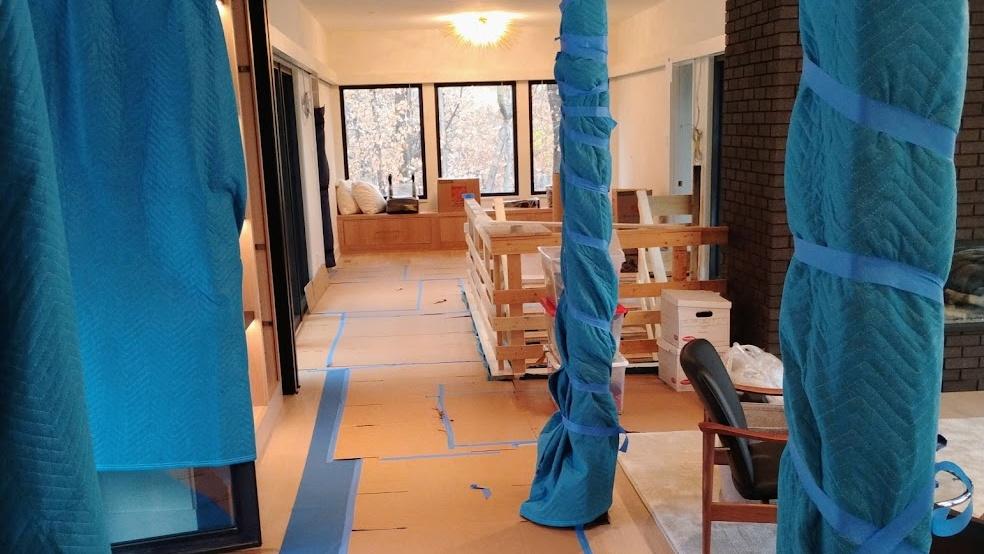
protecting floors and furniture during a home or office move
A move can seem simple from the outside. Pack the boxes, load the truck, drive to the new location, and unload everything. But anyone who has moved a home, apartment, office, or commercial space knows the real work is in the details.
The biggest problems usually happen when people do not plan for the building itself. Floors get scratched. Walls get marked. Door frames get chipped. Elevators get tied up. Large furniture gets stuck in stairwells. Desks, cabinets, artwork, electronics, and fragile items are moved without the right protection.
Whether you are moving from a home in Edina, relocating an office in Minneapolis, or moving into a larger space somewhere in the Twin Cities, the goal should be more than getting items from one address to another. A good move should protect the property, the furniture, and the people involved.
Start with a walkthrough before moving day
A successful move begins before the truck arrives. One of the smartest things you can do is walk through the property and look for anything that could slow down or complicate the move.
Check the entry doors, hallways, staircases, elevators, driveways, loading areas, and parking situation. Look at the flooring. Hardwood, tile, carpet, vinyl, and concrete all require different levels of care. Pay attention to tight corners, low ceilings, narrow staircases, glass doors, and finished walls.
This walkthrough helps you figure out what needs to be protected. It also helps the moving crew plan the job. If there are heavy items, oversized furniture, fragile pieces, or areas with limited access, those details should be discussed ahead of time.
Many moving issues are avoidable when the crew knows what to expect.
Protecting floors during a move
Floors take a lot of abuse during a move. Movers may be walking in and out of the home or office dozens of times. Heavy furniture, dollies, boxes, and equipment can all create damage if the floor is not protected properly.
For hardwood floors, runners or protective coverings can help reduce scratches and dirt. Carpet protection may be useful when there is a long walking path through the property. Tile and vinyl floors should also be protected in high traffic areas, especially near entrances and stair landings.
Weather matters too. In Minnesota, snow, ice, rain, mud, and salt can easily be tracked into a building. Even if the move is short, wet shoes and equipment can damage floors or create slipping hazards.
Floor protection is not just about appearance. It helps prevent repair costs and keeps the property safer during the move.
Preventing wall and door frame damage
Walls and door frames often get damaged when furniture is moved too quickly or without enough planning. Large couches, dressers, desks, tables, filing cabinets, and appliances can scrape corners if the crew is not careful.
Before moving large items, it helps to measure doorways and tight turns. In some cases, furniture may need to be disassembled before it can be safely moved. Removing legs from tables, taking apart bed frames, or separating modular office furniture can make the move safer and easier.
Door frames, stair rails, and corners should be protected when there is a high risk of contact. A professional crew should know how to angle furniture through tight spaces without forcing it.
This is especially important in homes with finished woodwork, painted trim, custom interiors, or recently remodeled spaces.
Why Edina moves require careful handling
Edina has a wide range of homes, from older houses with character to larger updated properties, condos, townhomes, and luxury residences. Many of these properties have finished floors, detailed trim, large furniture, and valuable household items that need careful handling.
That is why homeowners often choose professional Edina movers when they want the move handled with more care and planning. A local moving crew that understands residential moves can help protect the home while moving heavy and fragile items safely.
A good residential move should include more than strength. It should include planning, communication, property protection, and attention to detail. The crew should know how to handle tight hallways, staircases, garages, basement items, bedroom furniture, dining sets, artwork, mirrors, and delicate household goods.
When a home has been staged, sold, remodeled, or freshly cleaned, extra care matters even more.
Office and commercial moves need a different plan
Commercial moves are different from household moves. An office move often involves desks, chairs, conference tables, computers, monitors, printers, filing cabinets, shelving, reception furniture, and sensitive business equipment.
The schedule is also more important. A business may need to move after hours, over a weekend, or within a tight window to avoid downtime. Employees may need their workstations ready quickly. Technology may need to be labeled, packed, moved, and set up in a way that keeps operations moving.
For businesses, hiring experienced commercial movers Minneapolis can help reduce disruption and protect expensive equipment. A commercial moving plan should account for building access, elevator reservations, loading docks, parking, office layout, furniture assembly, and coordination with property managers.
The goal is not only to move the items. The goal is to help the business get back to work with as little interruption as possible.
Labeling and organization make the move faster
One of the simplest ways to improve a move is to label everything clearly. Boxes should include the room name, general contents, and any special handling instructions. For office moves, labels should include department names, employee names, desk numbers, or room locations.
This prevents confusion during unloading. It also keeps items from being placed in the wrong area. A poorly labeled move can create hours of extra work after the crew leaves.
For commercial moves, labeling can be even more important. Computer equipment, cords, monitors, desk parts, and files should be organized so employees can find what they need quickly. The more organized the packing is, the smoother the setup will be.
Heavy and fragile items need special attention
Not every item should be treated the same. Heavy furniture, glass pieces, artwork, mirrors, antiques, safes, pianos, fitness equipment, and large appliances may need special handling.
Carefully packing furniture, protecting floors and walls, and using the right techniques for moving specialty items can help ensure a smooth move without causing unnecessary damage to your home or office.
Fragile items should be packed with the right materials. Heavy items should be moved with the correct equipment and enough movers. Trying to save money by using too small of a crew can lead to injuries, damage, and a longer move.
Some items may need to be wrapped, padded, disassembled, or moved separately. It is better to discuss those items before moving day instead of surprising the crew when they arrive.
Communicate building rules ahead of time
Many condos, apartments, office buildings, and commercial properties have moving rules. These may include approved moving hours, elevator reservations, loading dock instructions, insurance requirements, parking rules, and restrictions on where movers can enter.
If these rules are ignored, the move can be delayed or stopped. This is common in multi tenant buildings and commercial spaces.
Before the move, contact the building manager or property manager and ask what is required. Share those details with the moving company. This helps avoid confusion and keeps the move on schedule.
A smooth move protects more than furniture
A well planned move protects the property, the furniture, the schedule, and the people involved. It reduces stress, prevents damage, and helps the new space feel organized faster.
Whether you are moving from a home in Edina or relocating a business in Minneapolis, the best results come from preparation. Walk through the property, identify risks, protect floors and walls, label clearly, communicate building rules, and choose movers who understand the type of move being handled.
Moving is not just about transportation. It is about care, planning, and protecting the spaces people live and work in every day.