When you think about water damage in your home, your mind probably goes straight to the basement. It makes sense. That is where flooding, damp walls, and musty smells tend to show up. To many homeowners’ surprise, these problems usually begin much higher up. Your home’s drainage system actually starts at the roof. If water is not managed properly there, everything below it is at risk, often leading homeowners to seek professional help for water damage restoration in Columbus.
How Rainwater Seeps Into Your Home
Every time it rains, your home handles a surprising amount of water. The process is simple in theory but critical in practice. Rain lands on your roof, flows into your gutters, travels through downspouts, and is directed away from your foundation.
When each part of this system works the way it should, water is safely carried away from your home. However, if even one part fails, the entire system can break down. That is when small issues can quickly turn into expensive repairs.
Why the Roofline Is the First Line of Defense
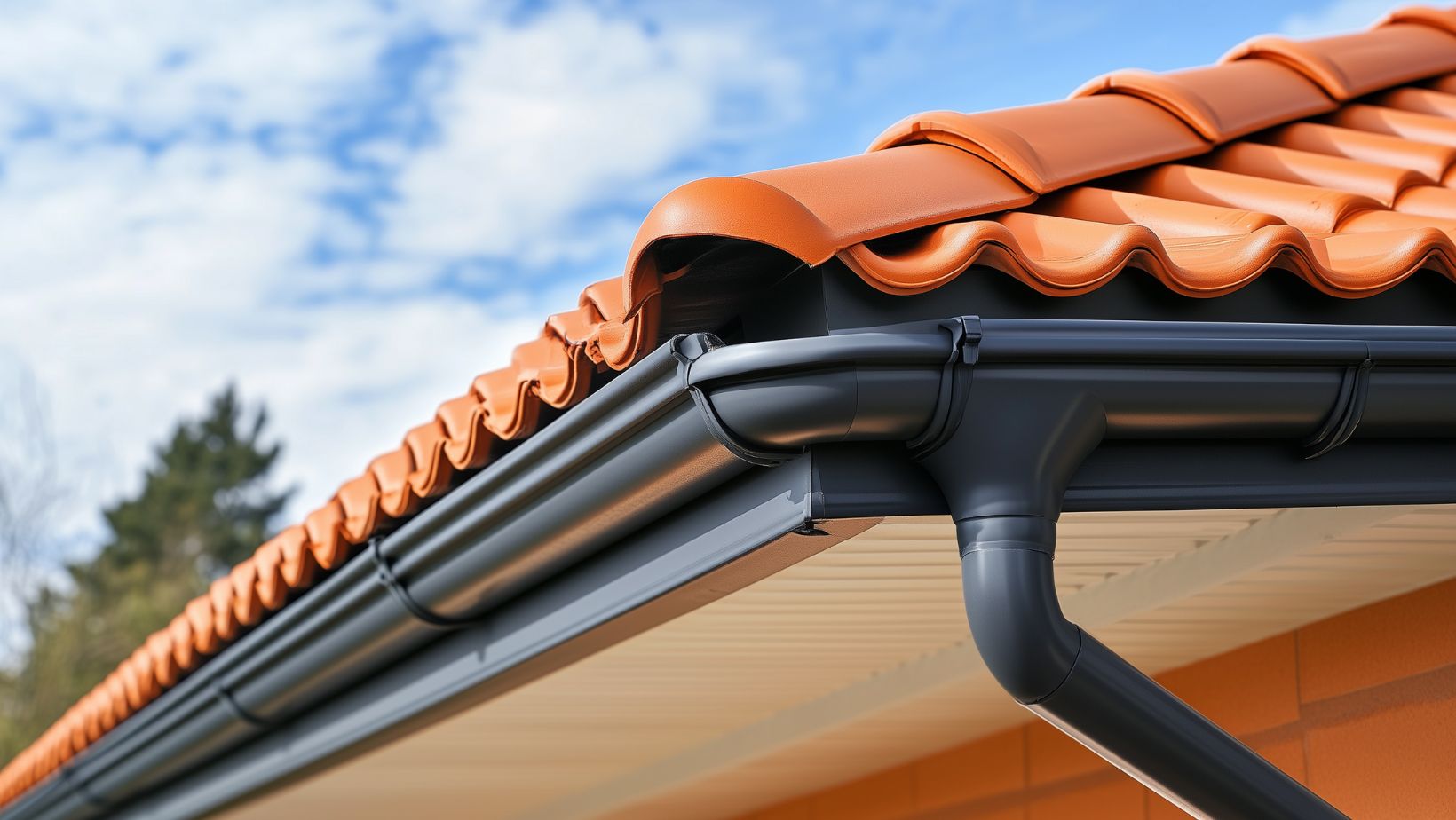
Your roofline is where water control begins. Gutters are designed to catch rainwater and guide it safely away. Without them, water simply spills over the edges of your roof and lands wherever gravity takes it.
This uncontrolled flow can erode the soil around your home, damage landscaping, and put pressure on your foundation. Over time, that pressure can lead to cracks, leaks, and structural issues. The tricky part is that these problems develop gradually. By the time you notice signs inside your home, the damage has often been building for a while.
What Happens When Gutters Become Clogged
When gutters become clogged or damaged, the entire drainage system starts to fail. It usually begins with leaves, debris, or improper installation. Water can no longer flow freely, so it overflows.
That overflow runs down your siding, causing stains and wear. It can also soak into fascia boards, leading to rot. As water continues to fall near the base of your home, it starts to pool around the foundation.
Over time, this can lead to basement moisture, cracks, or even flooding. That is why many homeowners turn to professional gutters Augusta GA services to make sure their system is working properly before damage spreads.
Common Signs Your Drainage System Is Failing
You do not have to wait for major damage to know something is wrong. Keep an eye out for these common warning signs:
- Water spilling over gutters during rain: If water is pouring over the sides instead of flowing through downspouts, your gutters are likely clogged or undersized.
- Stains or streaks on your siding: Dirt and water marks on exterior walls often mean water is not being properly directed away.
- Pooling water near your foundation: Standing water around your home is a clear sign that your drainage system is not doing its job.
- Sagging or detached gutters: Gutters pulling away from the roofline can no longer guide water effectively and may worsen quickly if ignored.
- Mildew or musty smells indoors: A damp odor in your basement or lower levels can indicate that moisture is starting to seep inside.
Spotting these issues early can help you take action before they turn into more serious and costly problems. The good news is that most drainage issues are preventable with regular care and maintenance of the gutters and downspouts.
If you want a more long-term solution, upgrades like gutter guards or seamless systems can improve performance. Professional inspections can also help catch small issues before they turn into bigger ones.
Endnote
It is easy to focus on the basement when you think about water damage, but the real story starts at the roof. Your gutters and drainage system play a crucial role in protecting your home from the top down. By paying attention to how water moves around your home and addressing issues early, you can avoid costly repairs and keep your home in better condition for years to come.