Quick Answer
Finding reliable stucco repairs near you starts with choosing licensed, insured contractors who have proven experience in cold climates. Check Google reviews and HomeStars ratings, request references, and always get detailed written quotes. Look for specialists offering free inspections and warranties of at least two years. Small hairline cracks might wait, yet anything wider than 1/8 inch or signs of bulging usually signal the need for prompt repair to protect your home’s structure.
Introduction
Calgary winters hit hard, and few exterior finishes feel that punishment more than stucco. When freeze-thaw cycles repeat dozens of times each season, tiny cracks can turn into major headaches almost overnight. Water seeps behind the surface, wood framing swells, and suddenly a cosmetic issue becomes an expensive structural problem. Homeowners who ignore those early warning signs often pay thousands more later.
That’s why knowing how to find trustworthy stucco repairs near me matters more in our climate than in most places. The right contractor spots hidden moisture damage before it spreads, matches existing texture perfectly, and stands behind the work with solid warranties. A poor choice, however, leaves you with mismatched patches that crack again next spring. The difference shows up in both your curb appeal and your bank account.
With the right questions and a clear checklist, any Calgary homeowner can separate experienced professionals from fly-by-night operators and get lasting results the first time.
Understanding Common Stucco Damage in Cold Climates
Cold-weather regions put exterior coating through a relentless test every year. Repeated freezing and thawing creates specific failure patterns that rarely appear in milder areas. Recognizing these signs early separates minor fixes from major rebuilds.
Most Frequent Types of Stucco Damage Homeowners See
- Hairline cracking. Fine, web-like lines that form over stress points such as windows, doors, and corners; usually surface-level at first
- Structural or stair-step cracks. Wider gaps that follow mortar joints in the underlying block or shift with the foundation; often exceed 1/8 inch
- Bulging or drumming sections. Areas where the coating has separated from the substrate and sounds hollow when tapped
- Impact damage. Pits, chips, or dents caused by hail, tree branches, or ladders that expose the brown and scratch coats underneath
How Water Creates Hidden Problems Behind the Surface
Water infiltration stands as the primary villain in cold climates. Once moisture slips through a crack or failed seal, it sits against the building paper and sheathing until temperatures drop. Ice expands with roughly 9% greater volume than liquid water, pushing the stucco outward and breaking its bond. Spring thawing then leaves voids that invite even more water next cycle.
Common entry points include:
- Cracked or missing caulk around penetrations
- Poorly flashed kick-out diverters at roof-wall junctions
- Ground levels that slope toward the foundation
Visible clues that demand immediate attention:
- Dark vertical staining below cracks (active leaking)
- White powdery deposits called efflorescence on the wall
- Soft or spongy texture when gentle pressure is applied
- Mould or mildew appearing on interior baseboards near exterior walls
Spotting the difference between cosmetic blemishes and symptoms of deeper moisture damage saves thousands in the long run. The patterns above follow predictable paths in freeze-thaw environments, so homeowners who know what to look for can act before small cracks become expensive headaches.
How to Choose the Right Stucco Contractor Near You
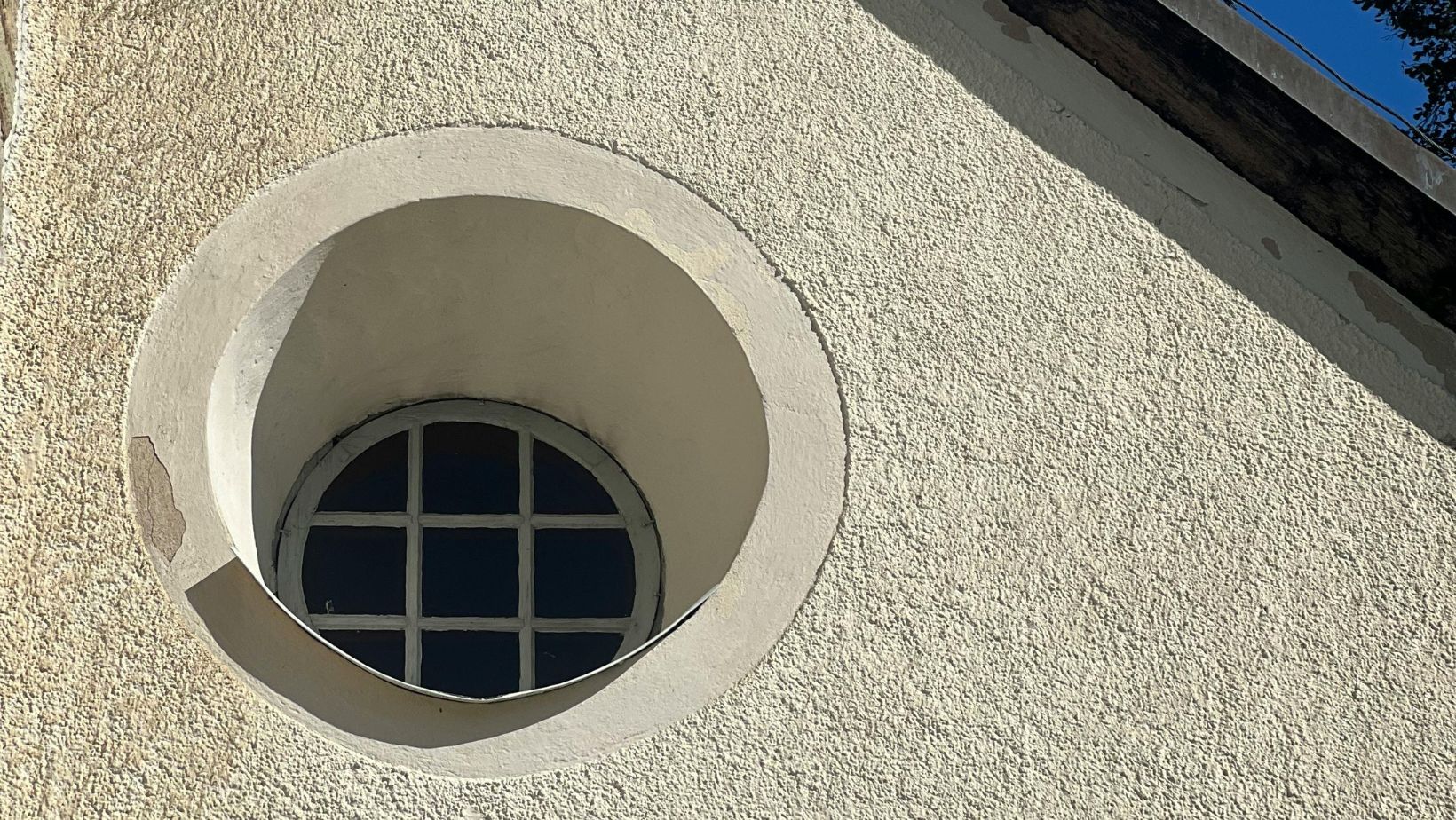
Finding a dependable specialist for coating issues beats guessing every time. A qualified team spots hidden problems, matches texture perfectly, and prevents the same cracks from returning next season. Follow a clear vetting process and the odds swing heavily in your favour.
Licensing, Insurance, and Local Experience Matter Most
Contractors working on homes need a valid municipal business licence and full liability coverage. Ask for certificates directly; legitimate companies send them without hesitation. Equally important, choose crews familiar with prairie weather patterns. Someone who has repaired stucco through ten Calgary winters understands drainage planes and vapour barriers far better than a crew from a warmer province.
Red Flags That Should Send You Looking Elsewhere
- No physical address or only a post-office box listed
- Pressure to pay large deposits upfront in cash
- Quotes that seem dramatically lower than others (often a sign of skipped steps)
- Refusal to provide references or proof of workers’ compensation coverage
- Websites filled with stock photos instead of real project galleries
Questions Every Homeowner Should Ask Before Signing
- How many years have you focused specifically on stucco remediation in this climate?
- Do you follow the current ASTM standards for three-coat systems?
- What type of warranty do you provide on labour and materials?
- Will you supply a detailed scope of work showing exactly which layers will be replaced?
- Can I speak with three homeowners from jobs completed last winter?
Taking time to verify credentials and compare scope details weeds out shortcuts. The lowest price almost always leaves out critical steps that show up as cracks again in twelve months. Invest fifteen minutes upfront with these checks and you’ll sleep better through the next polar vortex.
DIY vs Professional Repairs: When to Call Experts
Homeowners often face the temptation to fix coating damage themselves, especially when the crack looks small and the weekend is free. While some minor touch-ups work fine, anything beyond that usually demands stucco crack repair services from trained crews. Most issues tied to cold-climate wear demand skills and tools the average toolbox lacks. Drawing a clear line between the two approaches saves time, money, and frustration.
Minor Repairs Suitable for Homeowners
Very fine hairline cracks (less than 1/16 inch wide) and isolated chips usually stay within DIY territory. These steps typically succeed:
- Clean the area thoroughly with a wire brush and compressed air
- Apply a flexible elastomeric patching compound rated for exterior use
- Feather the edges and texture-match with a sponge or stipple brush
- Seal with a high-quality breathable masonry sealer once cured
These fixes hold up when the surrounding system remains sound and drainage works properly.
Situations That Require Professional Intervention
Certain damage patterns almost always signal deeper problems. Situations that always warrant professional residential stucco restoration include:
- Cracks wider than a credit card or following stair-step patterns
- Bulging, soft, or hollow-sounding sections
- Water stains on interior walls near exterior damage
- Repairs above first-storey height or covering large areas
- Rust stains bleeding through the finish
In these cases, crews must remove damaged material back to solid substrate, replace rusted lath, and rebuild all three coats to proper thickness – work that demands scaffolding, mixing expertise, and curing control.
The Hidden Cost of DIY Gone Wrong
A botched repair often traps moisture instead of shedding it. Within one or two seasons the new patch cracks again, sometimes worse than before. Homeowners then pay for both the original materials and full professional removal and redo. Stucco maintenance professionals see this scenario regularly and end up charging more to correct amateur mistakes than they would have for the original job.
Choose the DIY route only for purely cosmetic, tiny flaws on accessible ground-level walls. For anything else, the smartest move is reaching out to qualified experts from the beginning. And when the time comes for affordable stucco patching in Calgary, your house – and your wallet – will thank you when the next deep freeze arrives.
Final Thoughts: Protect Your Home’s Value with Quality Repairs
Stucco damage never improves on its own in a freeze-thaw climate. A tiny crack today becomes a water highway tomorrow, and the repair bill grows with every month you wait. Acting quickly while the problem stays surface-level keeps both the scope and the cost under control.
Choosing the right contractor boils down to three non-negotiables: proven local experience, full licensing with proper insurance, and a detailed scope that includes removing damaged material back to solid substrate. Shortcuts in any of those areas almost guarantee the same cracks reappear next spring.
Regular seasonal checks and basic water-management habits do more to prevent callbacks than any fancy product on the market. When water damage affects stucco, repairs or full remediation may ultimately be required. Investing in skilled work the first time protects far more than just the exterior finish. Keep gutters flowing, grades sloping away, and caulk joints intact, and most homes enjoy decades between major interventions.