Picture this: You walk into a room and feel taller, lighter, almost like you could float. The ceiling seems higher, the space feels open, and you can’t quite put your finger on why. Here’s the secret—vertical lines in interior design. They’re the unsung heroes behind that sense of lift and elegance. If you’ve ever wondered why some rooms feel grand while others feel cramped, vertical lines might be the missing piece.
What Are Vertical Lines in Interior Design?
Vertical lines in interior design are lines that run up and down, drawing your eyes from floor to ceiling. Think of tall bookshelves, striped wallpaper, or even a row of pendant lights. These lines create a sense of height and structure. They’re everywhere once you start looking—window frames, curtains, wall panels, even the way you arrange art.
Why Vertical Lines Matter
Here’s why: Vertical lines in interior design change how you experience a space. They make rooms feel taller, add drama, and bring order. If you’ve ever felt boxed in by a low ceiling, vertical lines can trick your brain into seeing more space. It’s not magic, but it sure feels like it.
The Psychology Behind Vertical Lines
Our brains love patterns. When we see vertical lines, we associate them with growth, stability, and aspiration. There’s a reason skyscrapers use vertical lines—they signal ambition and strength. In your home, these lines can make a small room feel expansive or a bland space feel bold.
Emotional Impact
Vertical lines in interior design don’t just change how a room looks—they change how you feel. They can make you feel uplifted, focused, and even a little more confident. If you’ve ever stood in a room with floor-to-ceiling windows, you know the feeling. It’s like the space is cheering you on.
How to Use Vertical Lines in Your Space
Let’s break it down. You don’t need to gut your living room or buy all new furniture. Small changes can have a big impact. Here are some ways to add vertical lines in interior design:
- Striped Wallpaper: Go for thin, vertical stripes to stretch the walls upward.
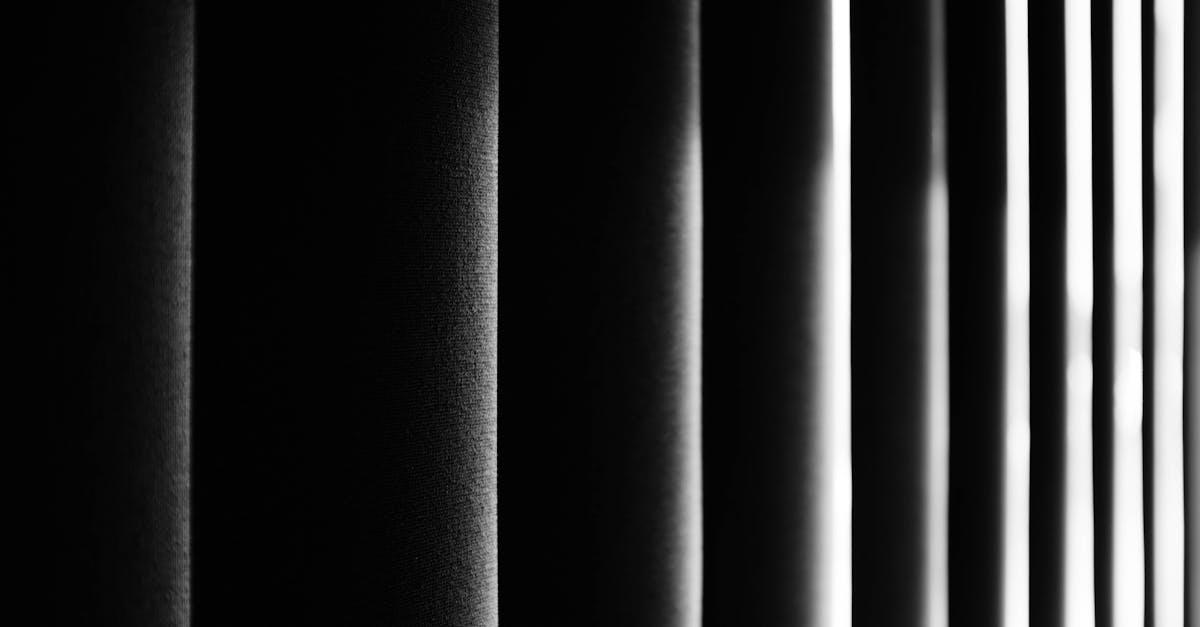
- Tall Curtains: Hang curtains as close to the ceiling as possible, even if your windows are short.
- Vertical Paneling: Add wood or MDF panels running from floor to ceiling for instant height.
- Bookshelves: Choose tall, narrow shelves instead of wide, low ones.
- Lighting: Use pendant lights or floor lamps with long, vertical stems.
- Art Arrangements: Stack art vertically instead of spreading it out horizontally.
Here’s the part nobody tells you: You don’t need to go all-in. Even one or two vertical elements can shift the vibe of a room. Try it in a hallway, bathroom, or any space that feels a little too squat.
Common Mistakes with Vertical Lines
Let’s be real—sometimes, more isn’t better. If you overdo vertical lines in interior design, a room can start to feel like a funhouse. Here are a few mistakes to avoid:
- Too Many Stripes: If every wall has bold stripes, it gets dizzying fast.
- Ignoring Balance: Pair vertical lines with some horizontal or curved elements to keep things grounded.
- Wrong Scale: Super thick stripes in a tiny room can overwhelm the space.
If you’ve ever tried a bold wallpaper and regretted it, you’re not alone. I once covered a whole room in navy vertical stripes. It looked like a circus tent. Lesson learned: Start small, and step back often to see how the lines affect the space.
Who Should Use Vertical Lines?
If you have low ceilings, small rooms, or just want a sense of order, vertical lines in interior design are your friend. They’re perfect for apartments, older homes, or any space that needs a lift. But if your ceilings are already sky-high, you might want to use vertical lines sparingly. Too many can make a room feel cold or formal.
Here’s a quick test: Stand in your room and look up. If you wish the ceiling was higher, try adding a vertical element. If you already feel like you’re in a cathedral, focus on warmth and comfort instead.
Unique Ways to Add Vertical Lines
Ready for something different? Here are a few creative ideas:
- Vertical Gardens: Install a living wall with plants growing up a trellis.
- Painted Murals: Use paint to create subtle vertical gradients or ombré effects.
- Tile Patterns: Lay bathroom or kitchen tiles in a vertical stack instead of the usual brick pattern.
- Room Dividers: Use slatted screens or open shelving to create see-through vertical lines.
If you’ve ever felt stuck with a boring room, these ideas can spark new energy. Don’t be afraid to experiment. The best designs come from trying, failing, and trying again.
Vertical Lines and Other Design Elements
Vertical lines in interior design work best when they play well with others. Mix them with horizontal lines for balance, or add curves for softness. If you love minimalism, vertical lines can add just enough interest without clutter. If you’re into maximalism, use them to organize the chaos.
Here’s a trick: Use vertical lines to highlight what you love. Frame a fireplace with tall bookcases, or draw attention to a window with long drapes. The lines guide the eye, so use them to tell your room’s story.
Final Thoughts: The Power of Vertical Lines
If you’ve ever struggled to make a room feel bigger, brighter, or more put-together, vertical lines in interior design might be your secret weapon. They’re simple, effective, and surprisingly flexible. Start with one change—a tall plant, a new curtain rod, a vertical mirror. Watch how the room transforms. You might just find yourself standing a little taller, too.