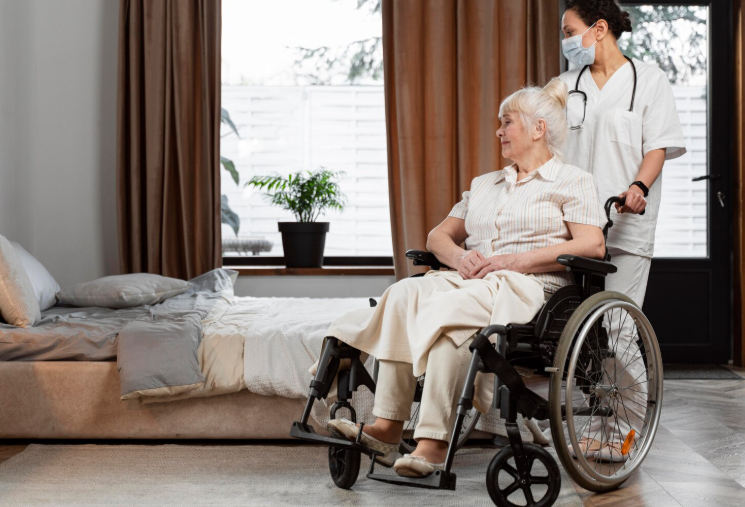
As people age, they often face new challenges. Out of them, the most daunting is choosing the right living environment where they can lead a happy, safe, and healthy life.
In every state, there are countless senior care homes designed specifically to support elderly individuals. But not all can provide the best quality of life and other care services—this makes it much more difficult for most seniors to make the right decision.
If you’re searching for a fully-facilitated senior care home for yourself, below are some key tips you should follow. Let’s review each of them in detail…
1. Assess Care Needs and Facility Type
First things first: Know the level of care you need. Consider whether you need independent living, assisted living, or specialized memory care. Further, take into account your physical and cognitive health needs.
After that, ensure the facility is equipped to meet specific requirements, such as dementia care, mobility support, and medication management. Once you thoroughly evaluate all your needs, you can narrow down the potential senior care homes.
2. Tour Multiple Facilities and Observe Atmosphere
It’s more than essential to make a priority visit to at least two or three facilities in person. This firsthand experience will enable you to compare and contrast each facility.
As you explore, keep an eye on the overall cleanliness, safety features, and whether the environment feels welcoming and homelike.
Not just that, you should also observe the residents. Do they appear engaged in activities, comfortable in their surroundings, and genuinely happy? Remember, their demeanor can give you a clear picture of your intended facility’s atmosphere.
3. Evaluate Staffing and Safety

The quality of Southern Cross Care’s elderly care hinges profoundly on its staff. Be sure that caregivers aren’t only well-qualified and trained but also genuinely compassionate and empathetic towards residents.
Don’t hesitate to inquire about the staff-to-resident ratios. Note how these numbers may affect the level of care and attention you receive.
In addition, ask about staff turnover rates and whether round-the-clock medical supervision remains available. Acting proactively will offer peace of mind knowing that you’ll stay safe and well while residing there.
If you’re hesitant about a care home, you might be thinking that they could have a life alert system at home and be just as safe as in a care home as they have access to help. But the help is not immediate in their own home, and it’s simply not as safe as being around well-qualified, dedicated staff members.
4. Check Reputation and Inspections
Prior to finalizing your decision, delve into how reputable your intended facility is. Research official inspection reports from regulatory bodies – such as the Care Quality Commission in the UK or Medicare in the US.
Such reports can reveal crucial information about safety standards and the quality of care provided. Moreover, feel free to seek word-of-mouth references from current residents and their families. Gaining insights into their firsthand experiences can help you be sure of what you should truly expect.
5. Consider Location and Costs
Opt for a location that’s conveniently accessible for your family and friends—as regular visitation can significantly enhance your quality of life.
Also, take a closer look at the facility’s fee structure. Grasp what services are included in the price and ensure it aligns with your long-term budget.
Therefore, you can make an informed decision that supports your needs while maintaining financial stability during your stay there.