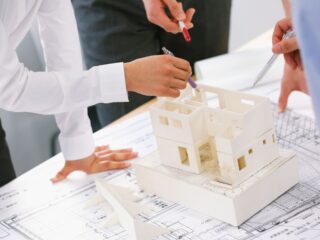
From the moment a homeowner starts sketching ideas for a new kitchen, a backyard studio, or a full renovation, the dream of a better living space becomes a powerful motivator. Many people begin this journey by learning online, watching tutorials, or following guides, but moving from inspiration to execution requires more than enthusiasm, especially when real structural and safety issues are involved. That is why contractor training programs by AtHomePrep can play an important role in helping serious DIYers build the kind of technical foundation that turns ideas into safe and lasting results. With the right preparation, home projects become less about guesswork and more about confidence and competence.
Understanding Structural Basics
Every successful home project starts with a clear understanding of how a building stands and functions. Load-bearing walls, foundations, and framing systems determine how weight is distributed throughout a home, and changing them without proper knowledge can lead to costly or dangerous mistakes. DIYers who take the time to study these principles are far better equipped to decide which projects are realistic and which require professional assistance.
Learning structural basics also helps homeowners communicate more effectively with inspectors, suppliers, and contractors. When you understand what a beam does or why a header is needed over an opening, you can ask better questions and make more informed decisions. This knowledge protects both your investment and your safety as you plan more ambitious improvements.
Electrical and Safety Awareness
Electrical work is one of the most common areas where homeowners want to save money by doing it themselves. While changing a fixture or replacing an outlet might seem simple, the risks of wiring mistakes are very real. Fire hazards, electrical shock, and code violations can all stem from a lack of training or oversight.
A strong foundation in electrical safety teaches DIYers how circuits work, why grounding matters, and when a project is beyond basic maintenance. With proper preparation, homeowners can confidently handle minor tasks and know when to bring in a licensed electrician for more complex work. This balance keeps projects moving forward without compromising safety.
Plumbing and Water Management
Plumbing may not be glamorous, but it is one of the most critical systems in any home. Even a small leak can cause major damage if it goes unnoticed or is improperly repaired. Understanding how water supply lines, drainage systems, and venting work helps DIYers avoid the most common and costly mistakes.
Training in plumbing basics allows homeowners to fix simple problems, such as replacing fixtures or clearing clogs, while recognizing the warning signs of larger issues. When you know how pressure, flow, and sealing methods work, you can prevent future failures rather than just reacting to them. This kind of knowledge protects both your home and your budget over time.
Planning and Project Management
Many DIY projects fail not because of poor workmanship, but because of poor planning. Budget overruns, scheduling delays, and unfinished work can turn a dream renovation into a source of frustration. Learning how to plan a project from start to finish is just as important as knowing how to swing a hammer.
Effective project management includes estimating materials, setting realistic timelines, and coordinating different stages of work. When homeowners approach their projects with the same discipline used in professional construction, they are far more likely to reach a successful conclusion. This structured approach also reduces stress and keeps families comfortable while work is underway.
Codes, Permits, and Inspections
One of the most overlooked aspects of home improvement is the legal and regulatory side of construction. Building codes exist to ensure safety and quality, and ignoring them can lead to fines, forced repairs, or problems when selling a home. DIYers who understand local code requirements can avoid these pitfalls.
Knowing when a permit is required and how inspections work helps projects move smoothly through the approval process. This knowledge also gives homeowners confidence that their improvements meet professional standards. Preparation in this area turns compliance from a burden into a valuable tool for protecting long-term property value.
Skill Development Through Structured Learning
While hands-on experience is invaluable, structured learning accelerates the process of becoming a capable DIYer. Online courses and exam-preparation programs offer a clear path to gaining technical knowledge in areas such as electrical systems, plumbing, and construction theory. These resources allow homeowners to learn at their own pace while still building a strong foundation.
Programs designed for aspiring contractors also benefit serious DIYers who want to work to a higher standard. By studying the same material that professionals use, homeowners gain insights into best practices and safety requirements. This level of preparation bridges the gap between hobby projects and truly professional quality results.
Using Professional Preparation Tools
Access to the right educational tools can make all the difference in a home improvement journey. Platforms that focus on exam preparation and licensing knowledge provide a structured way to build expertise. They also help DIYers identify gaps in their understanding before those gaps turn into costly mistakes on a job site.
Using professional-grade preparation tools encourages a mindset of continuous improvement. Instead of relying solely on trial and error, homeowners can approach each new project with greater confidence and clarity. This disciplined approach supports safer, more efficient, and more successful renovations.

Turning Knowledge Into Results
The ultimate goal of learning these skills is to transform knowledge into tangible results within the home. Whether it is a remodeled kitchen, a new deck, or a finished basement, each completed project reflects the care and preparation that went into it. When homeowners invest in their own education, they also invest in the quality and durability of their living spaces.
Prepared DIYers are better problem solvers, better planners, and better stewards of their property. They can adapt to challenges and make informed choices when unexpected issues arise. This level of competence turns home improvement from a risky endeavor into a rewarding and sustainable practice.
Summary
Turning a dream home into reality is not about luck or shortcuts, but about preparation, knowledge, and a willingness to learn. By mastering essential skills in structure, safety, plumbing, planning, and compliance, homeowners can take control of their projects and achieve professional level results. Structured learning resources, including contractor training programs by AtHomePrep, give DIYers the tools they need to grow from enthusiastic beginners into confident builders. With the right foundation, every renovation becomes an opportunity to create a safer, more comfortable, and more valuable home.