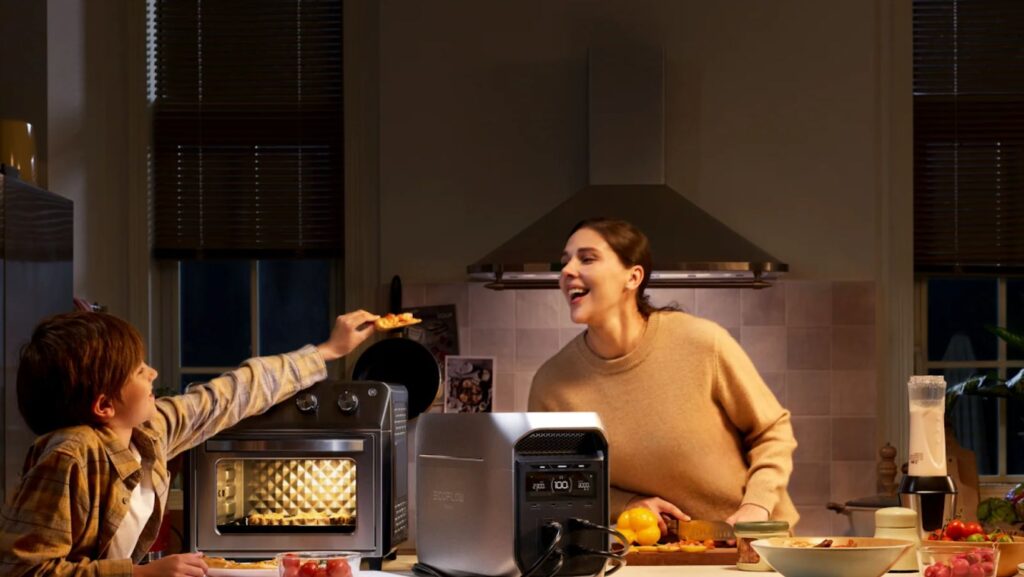
Yes, a power station is generally safe to use indoors when used as designed. Unlike gas or propane generators, power stations do not burn fuel, do not produce exhaust, and do not emit carbon monoxide. That difference is the reason they are widely used inside homes, apartments, and enclosed spaces during power outages or emergencies. That said, “safe” still depends on how the power station is built and how it is used. Understanding the boundaries is what matters.
Why Power Stations Can Be Used Indoors
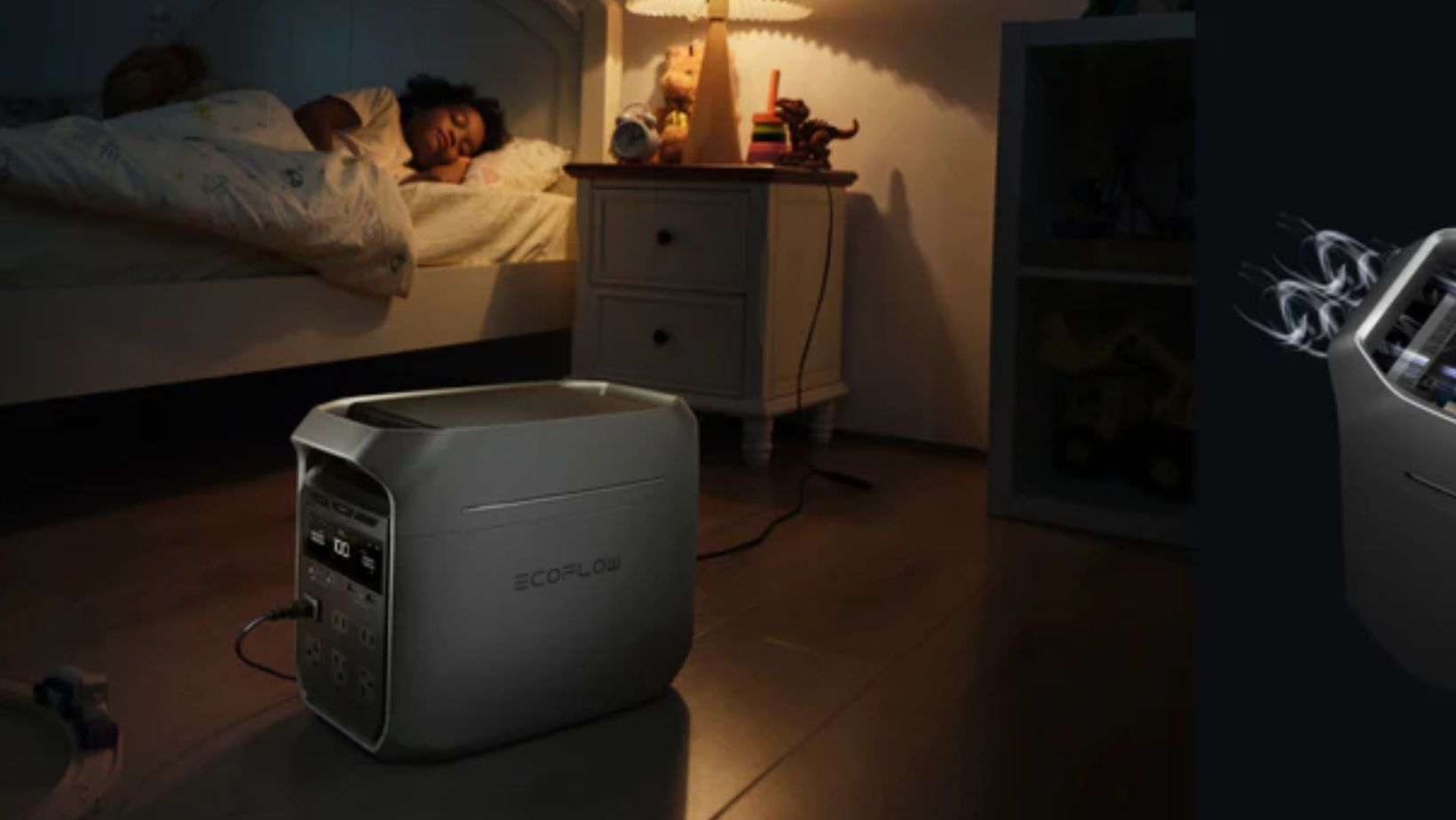
Power stations are suitable for safe indoor use for a simple reason: they store electricity instead of generating it through combustion. There is no engine, no fuel ignition, and no exhaust emissions. As a result, there is no need for ventilation fans, open windows, or compromises on safety. Because of this, power stations are designed to operate in enclosed environments such as living rooms, bedrooms, offices, and vehicles. This fundamentally differentiates them from traditional generators, which are not safe to use indoors under any circumstances. Another practical advantage is noise. Power stations typically operate at around 25 decibels, making overnight indoor use realistic even at night.What Makes a Power Station Safe Indoors
Indoor safety is not just about the absence of fumes. Several design factors work together to make power stations suitable for indoor use.Battery chemistry and thermal stability
Most modern power stations use lithium-based batteries, and many newer models use LiFePO4 chemistry. From a safety standpoint, these batteries are more thermally stable and less prone to overheating under normal use. This matters when the unit is running for hours in a closed room. Battery chemistry does not make a power station risk-free, but it significantly lowers the likelihood of thermal issues when the product is used within its rated limits.Built-in protection systems
Power stations are designed with battery management systems that monitor temperature, voltage, and current. These systems are intended to shut the unit down or limit output if unsafe conditions are detected. This is one of the reasons power stations are safer indoors than improvised battery setups or DIY inverter systems.Controlled heat output
While power stations do not emit exhaust, they do generate heat under load.