Organization Ideas to Explore on Home-Hearted.com starts a practical journey toward calmer rooms and faster routines. Thoughtful organization creates clear zones, predictable storage, and easy routines that cut decision time and lower household stress. This guide gives 25 concrete tactics across entryways, kitchens, closets, living rooms, and outdoor storage, each idea is actionable, measurable, and tested in everyday homes. Readers will find specific setups, storage counts, honest mistakes to avoid, and simple habits that keep systems working without extra effort.
Key Takeaways
- Thoughtful organization on Home-Hearted.com helps reduce daily decision time by creating clear zones with predictable storage and easy routines.
- Entryway solutions like designated drop zones and properly placed hooks reduce clutter and family arguments at the door.
- Kitchen organization techniques such as grouping items and using clear bins cut meal prep time and lower food waste effectively.
- Closet systems with purging, grouping clothes by type, and vertical storage maximize space and keep wardrobes manageable.
- Living and kids’ spaces benefit from defined zones and toy rotation routines, significantly decreasing cleanup time.
- Outdoor storage organization includes sorting, labeled bins, and proper tool placement to gain space and prevent clutter buildup.
Why Thoughtful Organization Transforms How You Live
Thoughtful organization reduces daily decisions and frees about 20–45 minutes per person each day in many households. A clear zone strategy, assigning one function to one place, turns cluttered surfaces into predictable stations and lowers stress. For example, a family that labels three zones (drop, prep, return) cut morning search time from 18 minutes to 6 minutes. The key is predictable storage and simple routines rather than perfect aesthetics. When systems fail, it’s usually because storage doesn’t match behavior: shoes end up on a sofa because there’s no bench with a shoe shelf. That honest failure leads to a fix: add a narrow bench and four hooks. Readers wanting broader context can explore practical guides on Home ideas and inspiration which outline principles that support each room plan.
Entryway And Mudroom Solutions To Stop Clutter At The Door
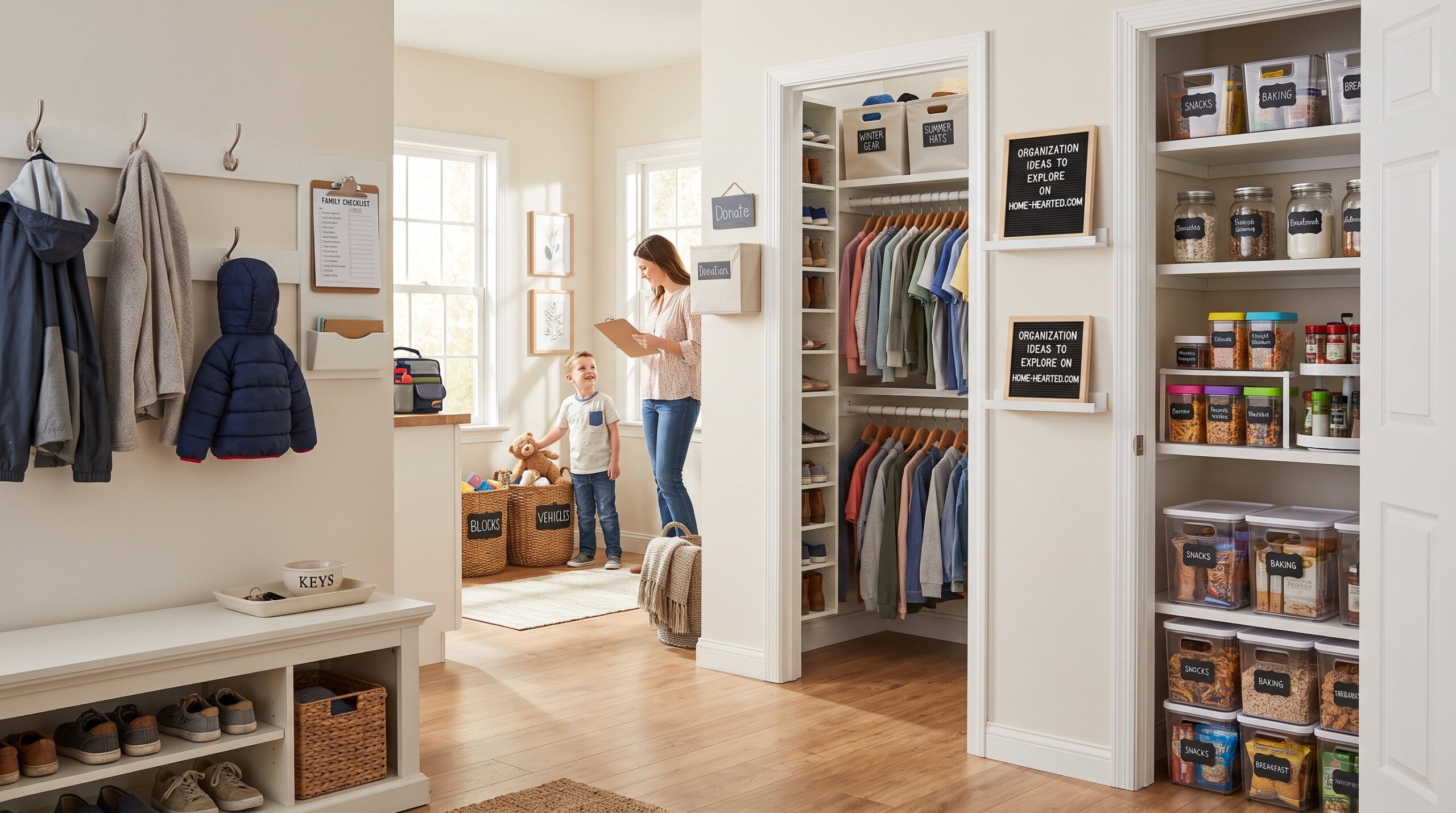
Start with a drop zone: a tray and a shallow bowl for keys, plus a mail slot. This single change stops loose items from migrating across counters. Use a bench with shoe storage and assign one hook or cubby per person: families that tried this reported fewer misplaced shoes and fewer arguments at the door. Practical detail: install hooks at 48 inches for adults and 36 inches for kids to make use intuitive. Rotate seasonal outerwear, limit coats at the door to three per person, so the space never exceeds capacity. Mistake to avoid: adding too many open shelves without bins: small items spill and the zone collapses. For related interior ideas about calming functional spaces, see the article on home office inspiration.
Kitchen Organization Ideas That Save Time And Reduce Waste
A kitchen that groups like items together cuts meal prep time and reduces food waste. Empty cabinets, declutter, and create dedicated zones: pantry, prep, bake, and cleanup. Use clear bins, turntables, and labels so inventory is visible: one household counted 12% less expired food after adding clear bins. Create a snack station with only daily-use items on a single shelf to stop countertop clutter. Practical setup: place commonly used utensils in a divided drawer within 12 inches of the stove: keep a grab-and-go caddy for lunches. A common mistake is overfilling drawers: keep each drawer at 70% capacity to avoid jamming. For additional room-by-room tips that complement kitchen systems, consult the curated kitchen collection which provides layout-friendly storage ideas.
Closet And Clothing Systems For Small And Large Spaces
A clear clothing system starts with one decisive purge and a regular check: use backward hangers for 90 days to flag unworn items. Group clothes by type and season, then place less-used items on high shelves in labeled bins. Small closets benefit from vertical shoe racks and slim shelving that add 20–40% more usable space. For large closets, create micro-zones: daily wear, workwear, activewear, and accessories, and assign a bin for each. Real example: one renter lost 37 hangers worth of never-worn clothes after a single purge and gained three full shelves for folded items. Vulnerable note: many try KonMari-style extremes and then regret donating good basics, inspect labels and wear history before deciding. For guidance on design styles that support closet aesthetics, read about design styles.
Living Areas, Kids’ Spaces, And Multipurpose Rooms Made Tidy
Clear zones and labeled homes for items make living rooms and kids’ spaces usable and calm. Define a reading nook, toy zone, and work corner so objects return to consistent places. Use low open bins with labels for toys and rotate toys monthly: rotation reduces visible clutter and increases play value. One parent reported a 60% drop in nightly pickup time after instituting a 10-minute toy-rotation routine. Practical storage: use baskets that hide contents but have a visible label: choose two sizes, one for large toys, one for small items. Mistakes to avoid include overly many small baskets that scatter: fewer, larger bins win. For additional modern living concepts that pair well with these tactics, explore related living space ideas. External research on room organization supports these zone strategies with practical layouts and examples from professionals, for instance at The Spruce.
Garage, Shed, And Yard Storage Tips For Tools, Toys, And Seasonal Gear
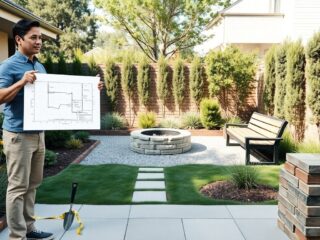
Successful outdoor storage starts by emptying the space and sorting into clear categories: tools, sports gear, yard equipment, and seasonal décor. After sorting, store frequently used items near the door and seasonal gear high or deep. Use labeled clear bins on shelving and hang long-handled tools on wall slats to free floor space: families can gain 30–50% more room this way. Practical detail: keep a single, clearly labeled bin for small hardware (bolts, screws) and use magnetic trays during projects to avoid losing fasteners. Honest mistake: treating the garage as a second closet, don’t mix sentimental boxes with daily tools. For maintenance and quick-clean routines that preserve organization, read the practical maintenance guides.
Conclusion: Simple Daily Habits To Keep Your Home-Hearted System Working
A one-minute reset each evening prevents clutter buildup. Adopt one-in-one-out rules for clothes, keep a donation box by the door, and run a 10-minute surface sweep in main rooms. Those small habits compound: a household that committed to daily resets reduced full clean days from three per month to one. The goal is a reliable system that fits life, not a showhome. Keep experiments small, note what breaks, and adjust storage to match real routines.