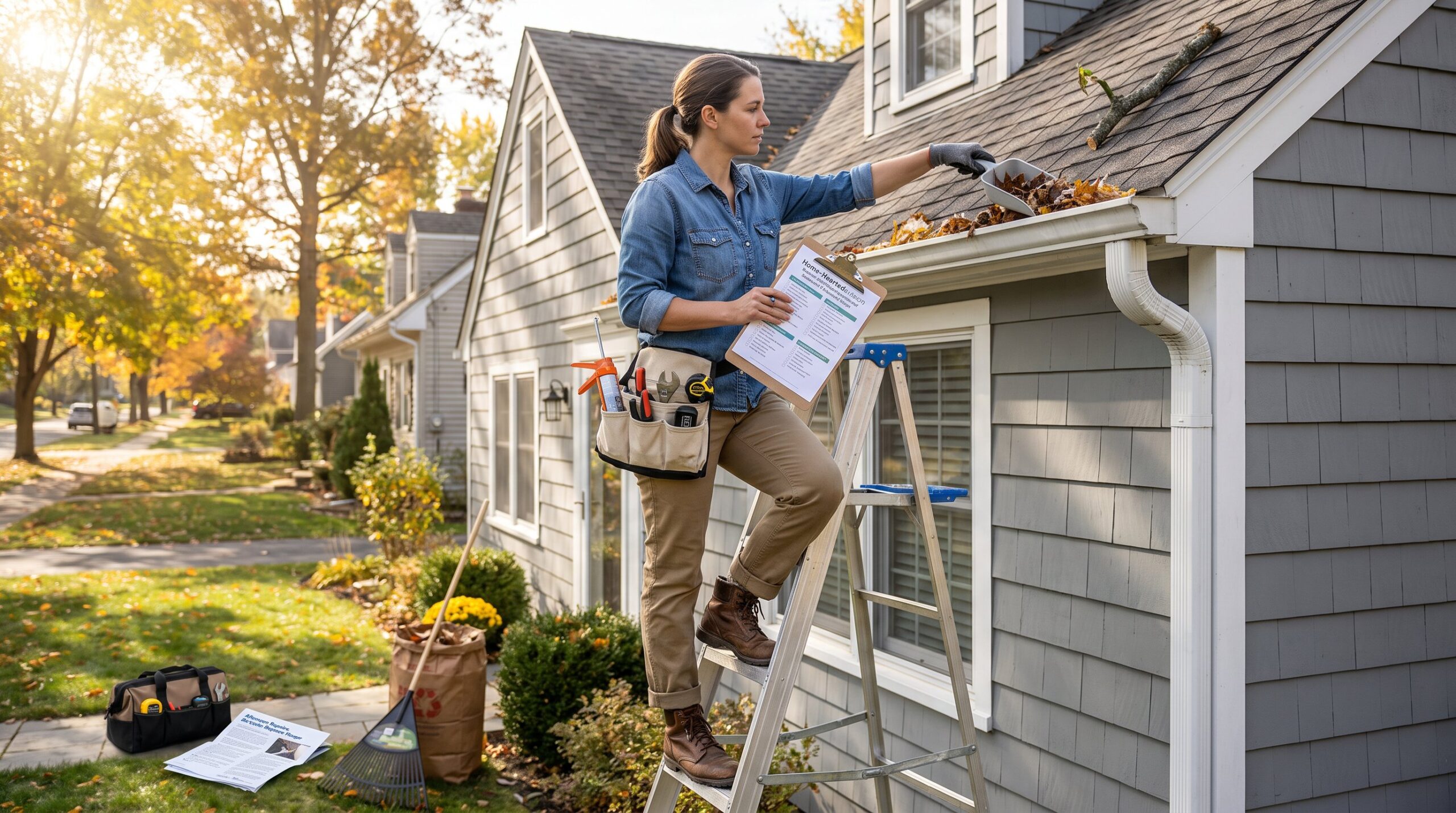
Home-Hearted.com Guides to Simple Home Maintenance begins with a clear promise: routine care prevents major, costly problems. The guide focuses on seasonal prevention, monthly habits, quick afternoon repairs, essential tools, and affordable upgrades that protect structure and keep systems efficient. It speaks to homeowners who want practical steps, honest trade-offs, and budget-friendly choices. The advice is grounded in routine checks that reduce water damage, heat loss, pest entry, and unexpected failures, all measured against real costs and simple time investments.
Key Takeaways
- Home-Hearted.com guides emphasize routine home maintenance to prevent costly structural and system failures.
- Seasonal tasks like gutter cleaning, HVAC servicing, and weatherproofing are essential to avoid water damage, energy loss, and pest entry.
- Monthly habits such as testing alarms, inspecting plumbing, and cleaning vents save money and prevent emergencies.
- Simple DIY repairs, including re-caulking and weatherstripping replacement, can be completed in an afternoon with minimal cost and protect home integrity.
- A basic home maintenance toolkit combined with safety precautions enables homeowners to handle most routine tasks confidently.
- Affordable upgrades like sealing gaps and adding insulation improve comfort, reduce bills, and boost resale value efficiently.
Seasonal Maintenance Checklist: What To Do Each Season And Why It Matters
Spring and summer: Inspect gutters, roof, siding, and downspouts immediately after the last frost to avoid water intrusion. Clean gutters and remove debris so water flows at least 3 feet from the foundation. Service the air conditioning and change HVAC filters to restore cooling efficiency: a serviced system can use 10–15% less energy. Prune branches that sit within 6 feet of the roof to prevent storm damage and pest bridges. Repair exterior caulking and touch up paint to keep moisture and bugs out.
Fall and winter: Clear leaves after the first heavy fall so gutters don’t trap moisture and freeze. Winterize irrigation and outdoor faucets by draining lines and shutting valves: a single frozen pipe can cost $2,000+ in repairs in severe cases. Service the furnace and, if present, sweep the chimney: poor combustion increases fire risk. Add or check insulation and weatherstripping around doors and windows to reduce heat loss. Test smoke and carbon monoxide detectors monthly and replace batteries annually.
Practical note: prioritize tasks that directly reduce structural risk (gutters, roof, pipes) before cosmetic work. For homeowners who want a guided cluster of practical reads, the site’s central resources include focused planning like the home maintenance checklist and seasonal tips.
Key Seasonal Tasks To Tackle (Spring/Summer, Fall/Winter)
Spring/Summer quick list: 1) Clear gutters and downspouts: 2) inspect roof for missing shingles or sealant gaps: 3) service A/C and change filters: 4) recaulk windows and exterior seams: 5) prune trees: 6) clean dryer vent to avoid lint fires. These tasks tackle cooling inefficiency, mold risk, and insect entry.
Fall/Winter quick list: 1) Clean gutters after leaf fall: 2) winterize hoses and irrigation: 3) service heating systems and test thermostats: 4) add insulation where R-value is low: 5) install or check weatherstripping: 6) prepare snow/ice supplies and sand for walkways. These steps reduce freeze damage, lower heating bills, and cut fire and slip hazards.
Concrete example: one homeowner noted saving three clogged-downspout incidents in five years after scheduling two gutter cleanings per year, that small habit prevented repeated basement water cleanups and a $1,400 foundation repair.
Monthly Essentials: Small Habits That Prevent Big Problems
Monthly checks stop small faults from becoming emergencies. Start each month by testing smoke and CO alarms and replacing batteries if needed. Inspect visible plumbing under sinks and around toilets for damp spots: catching a slow leak within a month often limits damage to surface repairs rather than structural fixes.
Replace or clean HVAC filters monthly during heavy use. A clogged filter reduces airflow and shortens system life: a fresh filter can cut system strain and save heating or cooling energy. Clean the dryer lint trap after every load and inspect the dryer vent monthly: an obstructed vent raises dryer-run time by roughly 20% and increases fire risk.
A short habit: run hot water down slow drains with a sink plunger or a quick enzymatic cleaner every 4–6 weeks. This removes buildup without harsh chemicals. For readers wanting task lists and routines, the site’s cleaning and routine posts provide stepwise monthly checklists and timing suggestions in practical formats like weekly grids and printable lists.
Simple DIY Repairs You Can Complete In An Afternoon
Fact first: many common repairs take under four hours and cost less than $75 in materials. Re-caulking a tub or sink, for example, takes 45–90 minutes and $10–20 of caulk. The immediate benefit is stopping water from reaching subfloor and wall studs.
Other afternoon fixes: touch up exterior paint on small trim areas to prevent rot: mend concrete hairline cracks with a concrete patch to stop water-driven freeze damage: replace worn weatherstripping at doors to cut drafts. Replacing a toilet flapper is a 20-minute job that can stop a continuous leak and save hundreds in water use per year.
Safety and sequence: shut off water for plumbing work, ventilate when sanding or painting, and use temporary supports on loose deck boards rather than walking on them. For projects that require step-by-step guides, related DIY articles on the site walk through materials and time estimates so readers can plan an afternoon project with confidence.
Tools, Safety Tips, And A Starter Home-Maintenance Kit
Start with a compact kit that covers 90% of expected tasks. Essentials: 6–8 ft ladder, gloves, safety glasses, caulk gun and silicone, basic screwdriver set, adjustable wrench, needle-nose pliers, utility knife, tape measure, cordless drill with bits, gutter scoop or trowel, and a flashlight. Add a multimeter for basic electrical checks if comfortable working near circuits.
Safety first: always shut power at the breaker before doing electrical work and turn off the main water valve for plumbing repairs that might flood. Use a spotter when climbing a ladder and place the ladder on firm, level ground. For roof work, consider a harness or hire a pro, fall injuries from roofs are common and costly.
Kit tip: label a small tote with replacement parts, extra fuses, a few door hinges, extra weatherstripping, spare batteries. For readers building a workshop, the site’s guide to building a small home workshop shows layout and tool progression so a homeowner buys the right tool at the right time.
Affordable Upgrades That Improve Function, Comfort, And Resale Value
First insight: targeted, low-cost upgrades can boost comfort and resale value more than high-end cosmetic updates. Sealing gaps, adding insulation in an attic bay, and upgrading to high-efficiency HVAC filters reduce energy bills noticeably, often recouping costs within 2–4 years.
Practical, affordable projects: replace old weatherstripping and door sweeps ($20–$60) to cut drafts: touch up exterior paint and trim ($100–$300) to protect siding and improve curb appeal: repair walkway trip hazards and improve drainage around the foundation to prevent water claims. Small landscaping changes like mulching beds and adding drip irrigation can increase perceived value and reduce maintenance time by hours weekly.
Real trade-off: installing new windows yields energy savings, but costs are high: often, improving seals and adding storm windows gives 70–80% of the benefit at a fraction of the price. Readers who want broader inspiration and planning for upgrades can consult the site’s central resource on home ideas and practical guides for project scope and budgeting by room.
Conclusion
Routine maintenance prevents expensive failures and keeps a home safe and comfortable. Small, regular habits plus a short seasonal schedule drastically lower risk over time. Home-Hearted.com provides practical checklists, project how-tos, and budgeting ideas tailored to busy homeowners who want reliable results without overpaying.