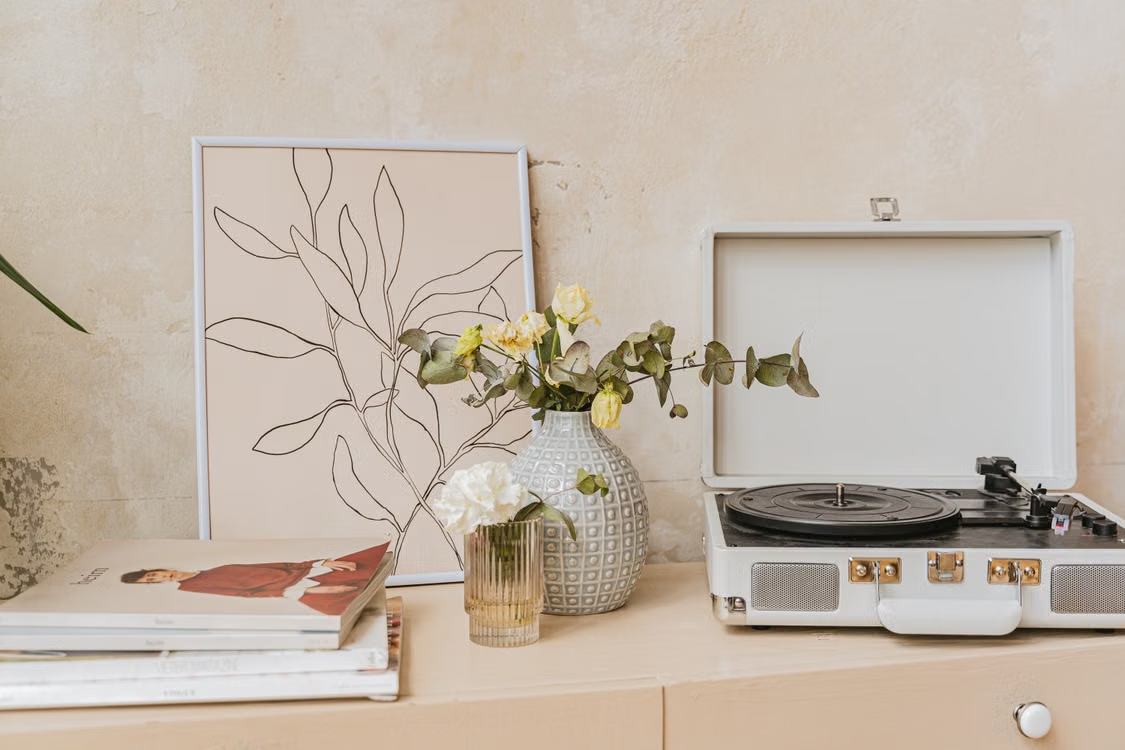
Interior design relies on wall decor to define a room’s atmosphere. Bare walls reflect light and sound poorly, making spaces feel cold. Adding high-quality canvas prints Canada introduces texture and colour without the glare of traditional glass frames, instantly warming up a room.
Subject matter is equally important. High-contrast art increases focus, while soft gradients promote relaxation. Choosing balanced pieces prevents empty walls from feeling overwhelming. This article reviews five art styles based on spatial design and colour theory to help you create a more welcoming home.
Art Styles Overview
|
Art Style |
Primary Visual Feature |
Best Room Placement |
Main Psychological Benefit |
|
Abstract Landscapes |
Simplified horizon lines & gradients |
Living rooms above sofas |
Provides stability & reduces visual fatigue |
|
Vintage Botanical Illustrations |
Detailed plant and flower drawings |
Dining areas or kitchens |
Connects to nature and lowers stress |
|
Minimalist Geometric Patterns |
Clean shapes & negative space |
Foyers or home offices |
Lowers cognitive load through structure |
|
Architectural Photography |
Monochrome lines & perspective |
Long hallways or compact spaces |
Creates an illusion of extended space |
|
Impressionist Reproductions |
Soft brushstrokes & natural light |
Dining rooms or mantelpieces |
Supplies ambient warmth and comfort |
Top 5 Canvas Prints That Make Homes More Inviting
1. Large-Scale Abstract Landscapes
Abstract landscapes differ from standard nature photography. They reduce outdoor scenes to their basic geometric forms and colour fields. Instead of displaying a highly detailed mountain range or a specific ocean view, these pieces use horizontal bands of colour to suggest a horizon line. This visual ambiguity allows the viewer to interpret the image without focusing on complex, rigid details. The woven texture of the printing surface enhances these abstract forms. It gives the flat gradients a tactile quality that integrates seamlessly with heavy room upholstery, such as linen sofas and wool rugs.
In standard interior design practices, horizontal lines create a sense of stability and rest. This practice is based on the fact that horizontal planes mimic the natural horizon. Human psychology subconsciously associates the horizon with solid ground and environmental safety. Placing a large-scale abstract landscape in a room reinforces this sense of stability. It makes the space feel grounded.
Key characteristics of abstract landscapes include:
- Simplified horizon lines that establish linear balance and perceived width in a narrow room.
- Muted colour palettes that do not overpower existing interior paint or wallpapers.
- A lack of strict focal points, which effectively prevents visual fatigue over time.
- An emphasis on smooth transitions between warm and cool tones.
To effectively integrate this style, coordinate the dominant colours in the artwork with your room’s existing textiles. If the print features slate grey and ochre, ensure these specific tones are present in your area rugs or cushions. Centre the print directly above a primary sofa, leaving exactly 8 to 10 inches of vertical space between the furniture and the art. Proper lighting is also necessary. Avoid harsh, direct spotlights that cast heavy shadows across the fabric weave. Instead, use ambient room lighting or a wide-angle gallery light with a warm colour temperature.
2. Vintage Botanical Illustrations
Vintage botanical illustrations feature detailed, scientifically accurate drawings of plants, leaves, and flowers. They are often styled with a muted, antiqued background. These prints replicate the exact look of archival biology textbooks and historical field guides. When transferred to a woven material, the illustrations gain an organic texture. This texture aligns perfectly with the natural subject matter and entirely removes the sterile feel of standard glossy paper prints.
The effectiveness of this art style connects directly to biophilic design. This is an architectural concept that integrates natural elements into built environments to improve human health. Exposure to natural environments and visual connections to nature can actively lower stress and improve cognitive function. Botanical prints provide this necessary connection in rooms where living plants may not survive due to low natural light.
Key characteristics of vintage botanical prints include:
- High-contrast line work that adds intricate detail to otherwise empty walls.
- Earthy colour schemes consisting primarily of greens, browns, and pale yellows.
- Symmetrical layouts that appeal to the human preference for structural order.
- Historical aesthetics that introduce a sense of permanence and tradition to modern builds.
Homeowners frequently use botanical illustrations to bridge the gap between rigid modern architecture and natural outdoor environments. These prints work exceptionally well in rooms that feature wooden furniture, stone countertops, or natural fibre rugs. Arrange them as a strict grid of four or six smaller prints in a dining area. Because these illustrations contain fine details, they require adequate lighting. Installing them near natural light sources or using dedicated track lighting ensures the intricate botanical line work remains visible and clear throughout the day.
3. Minimalist Geometric Patterns
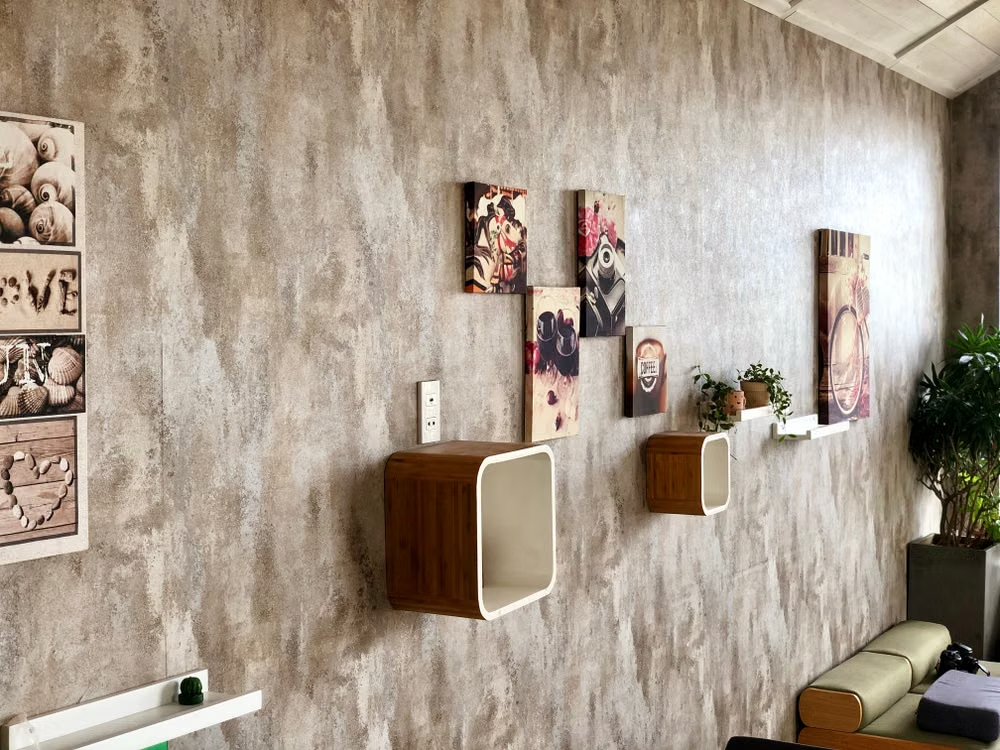
Minimalist geometric patterns use basic shapes like circles, triangles, and lines in structured layouts. These designs use large amounts of negative space where parts of the canvas stay blank or use a solid background colour. This approach creates a clean visual experience that fits modern design.
The main benefit of geometric minimalism is lower cognitive load. Complex visual spaces can feel chaotic. Art with strict order helps organize a room visually. Viewing balanced art gives a sense of predictability, making living spaces feel more relaxed.
Key characteristics of minimalist geometric patterns include:
- Precise symmetry or calculated asymmetry that guides the eye naturally across the wall.
- Generous use of negative space to prevent standard-sized walls from feeling crowded.
- High-contrast colour blocking, typically limited strictly to two or three distinct shades.
- Crisp geometric edges that contrast with the soft, rounded textures of residential furniture.
This style fits homes with modern, mid-century, or Scandinavian design. The sharp lines match functional furniture. Hang geometric prints above a console table in a foyer or display them as a two-panel set over a bed. When installing geometric art, exact leveling is required because any tilt is easy to spot.
4. Black and White Architectural Photography
Black and white architectural photography captures buildings, bridges, and urban sites without colour. Removing colour forces focus onto light, shadow, texture, and perspective. Printing these photos on a woven surface softens rigid architectural lines, making industrial subjects fit into residential rooms.
Monochrome photography adds an element of sophistication to a home. Furthermore, viewing art that emphasizes perspective and depth engages the brain effectively. Viewing environments with strong spatial depth alters how humans perceive the size of their immediate surroundings. Architectural photography often features strong vanishing points. These points create an optical illusion of extended space, which makes smaller rooms feel significantly larger and more open.
Key characteristics of black and white architectural photography include:
- Contrast between white highlights and black shadows.
- Leading lines that draw the eye into the frame.
- An absence of colour for palette compatibility.
- Repeating patterns and symmetry from urban engineering.
Because the style lacks colour, it acts as a neutral anchor in rooms with bright paint or furniture. Display these pieces in a long hallway to emphasize perspective, or group them in a gallery wall. Ensure even lighting to prevent poor shadows from distorting the contrast.
5. Impressionist Style Reproductions
Impressionist reproductions copy late 19th-century painting methods. This art style uses short brushstrokes, open composition, and a focus on changing light. When printed on woven materials, the digital texture matches the look of thick paint, creating a realistic surface.
Impressionist art warms up a room because it lacks sharp lines. Blended colours create a calm visual experience. These prints serve as background decor that adds comfort to a living space without dominating the room.
Key characteristics of impressionist reproductions include:
- Soft edges that remove harsh visual lines on the canvas.
- A focus on natural light that brightens dark rooms.
- Colour mixing that adds subtle tones to neutral spaces.
- A classical look that increases formality without rigidity.
These reproductions fit well in living rooms and dining areas. They match both traditional wood furniture and modern upholstered items. Centre a large impressionist print on a dining room wall or place it above a fireplace mantel. Use warm-toned lighting to highlight the simulated brushstrokes and warm colours like yellow, red, and orange.
Conclusion
Using wall decor helps make residential spaces feel complete. Different art styles create specific room atmospheres. Abstract landscapes provide visual width and stability. Botanical illustrations introduce natural elements. Minimalist geometric patterns reduce visual clutter. Architectural photography adds depth. Impressionist reproductions supply warmth and soft lighting. Selecting these styles and hanging them at proper heights transforms empty walls into a functional home.