Electric vehicle charging has quietly moved from a “nice-to-have” amenity to a line item that general contractors can no longer treat as an afterthought. Whether it's a multifamily podium garage, a retail center parking lot, or a corporate campus, owners are asking for EV-ready infrastructure earlier and earlier in the design process. For GCs, that shift means new coordination challenges, new code requirements, and new reasons to bring an electrical partner to the table before the first shovel hits dirt.
This isn't just about bolting a charger to a wall. EV charging infrastructure touches utility service capacity, panel design, trenching and conduit routing, permitting, and long-term maintenance access. Get any one of those pieces wrong, and a project can face costly change orders or delays that ripple through the entire schedule.
Why Early Planning Makes or Breaks the Budget
The single biggest mistake GCs make with EV charging is treating it as a late-stage add-on. Charging equipment draws real power, and that power has to come from somewhere. If the electrical service was sized for a building without EV charging in mind, adding chargers after the fact often means upsizing the utility transformer, running new feeders, or installing load management systems to avoid tripping the main breaker during peak demand.
Bringing electrical scope into early design conversations lets the team make smarter decisions. Sometimes it's cheaper to oversize conduit and panel capacity now, even if only half the parking spaces get chargers on day one, than to trench through finished asphalt in five years. This kind of forward-thinking approach mirrors a lesson GCs already know well from other trades: the utility and service planning that happens before a slab is poured tends to save the most money over the life of a project. It's the same logic that applies broadly to site infrastructure and utility routing decisions on new construction, where getting the underground work right the first time avoids expensive rework later.
Understanding the Levels of Charging Equipment
Not all EV charging is created equal, and the type of equipment a project needs drives very different electrical scopes.
● Level 1 charging uses a standard 120-volt outlet and is rarely specified for commercial projects it's too slow for anything beyond incidental use.
● Level 2 charging runs on 208- or 240-volt circuits and is the workhorse for workplaces, multifamily buildings, and retail. It typically requires dedicated circuits per charger, and multiple units often share a panel with smart load management to balance demand.
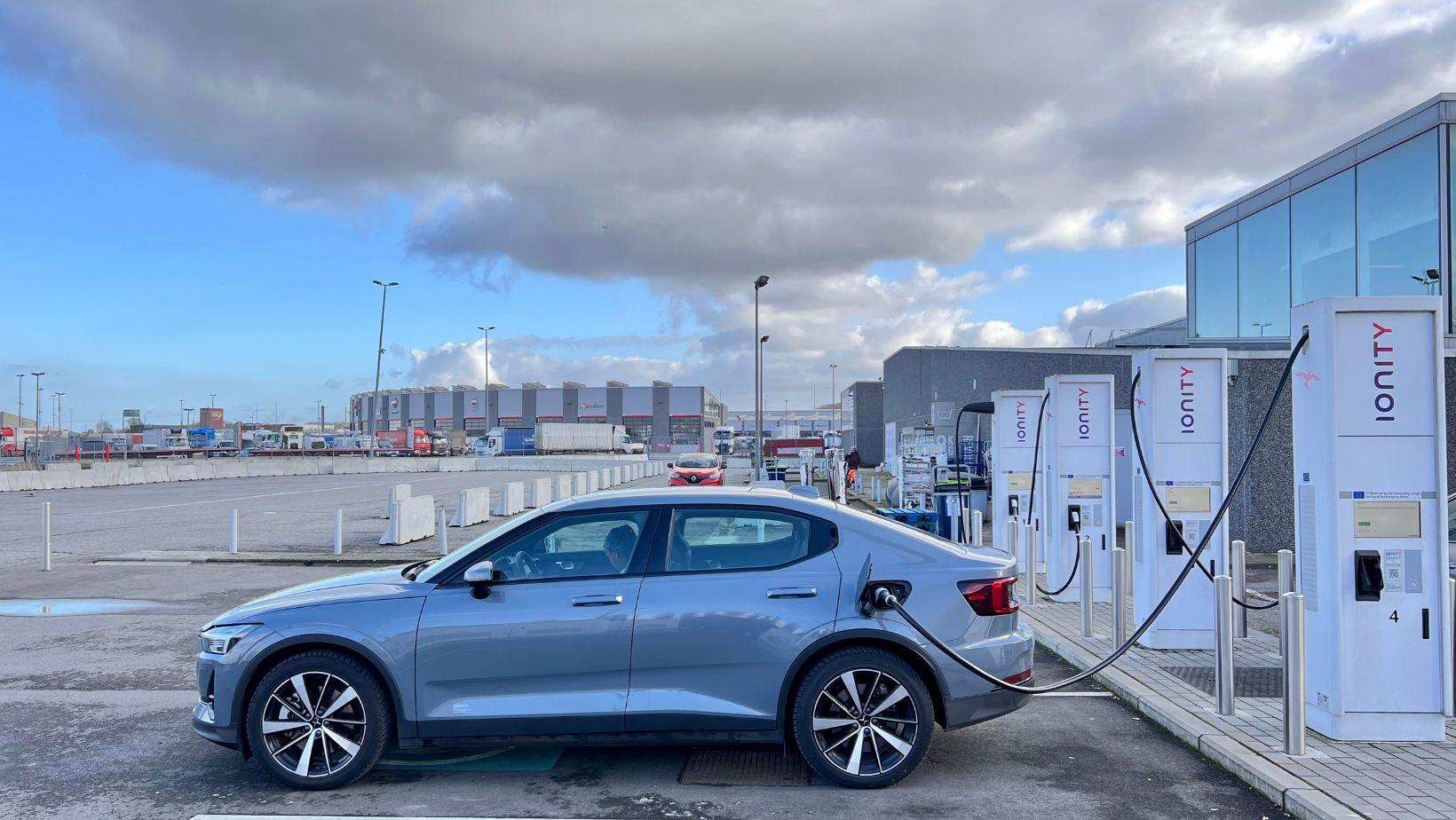
● DC Fast Charging (DCFC) delivers much higher power and is common along travel corridors or high-turnover commercial sites. It requires significantly more electrical infrastructure, sometimes including its own transformer or utility service upgrade, and the civil and electrical coordination is considerably more involved.
GCs should push design teams to specify charging levels early, because the electrical rough-in for Level 2 and DCFC installations looks nothing alike.
Code Compliance Isn't Optional
EV charging equipment installation falls under Article 625 of the National Electrical Code, which governs everything from conductor sizing to ventilation requirements for indoor installations to disconnect placement. Local jurisdictions frequently layer their own amendments on top of the base code, and many states now mandate a minimum percentage of EV-capable or EV-ready parking spaces in new commercial construction. The U.S. Department of Energy's Alternative Fuels Data Center maintains a running list of these state and local incentives and requirements, and it's worth checking before finalizing a project's electrical scope, since requirements shift often enough to catch teams off guard.
ADA accessibility is another layer GCs can't skip accessible charging spaces need specific clearances, mounting heights for connectors, and accessible routes, all of which affect where conduit and equipment pads get placed. None of this is exotic work, but it does require an electrical partner who stays current with code cycles, because the National Fire Protection Association updates the NEC on a three-year cycle and jurisdictions adopt those changes at different paces.
Coordinating Trenching, Conduit, and Panel Capacity
The civil and electrical scopes for EV charging overlap more than most GCs expect. Trenching for underground conduit runs needs to happen in coordination with paving, landscaping, and any other utility work on site, ideally in a single mobilization rather than multiple trips back to the same trench. Conduit sizing should account for future charger additions, not just the units going in on day one pulling extra empty conduit now is far cheaper than cutting into finished hardscape later.
On the panel side, load management systems have become standard practice for multi-charger installations. Rather than sizing electrical service for every charger running at full power simultaneously (which is rare in practice), smart panels dynamically share available capacity across active chargers. This can meaningfully reduce the size of the electrical service upgrade a project needs, but it requires an electrician experienced in commercial EV work to spec and commission correctly.
Choosing the Right Electrical Partner
Because EV charging infrastructure sits at the intersection of code compliance, utility coordination, and future-proofing, the electrical contractor a GC brings on matters as much as the equipment itself. For projects in the Los Angeles market, working with a licensed commercial electrical contractor who has direct experience with EV charging rough-in, panel load calculations, and permitting through local AHJs can prevent the kind of scope surprises that derail schedules. This is especially true on projects where the electrical team needs to interface with utility companies on service upgrades, since those timelines are often outside the GC's direct control and need to be flagged as long-lead items from the start.
It's also worth asking prospective electrical partners about their experience with the specific charging network hardware being specified, since networked chargers often have manufacturer-specific installation and commissioning requirements beyond the base electrical code.
Don't Underestimate Maintenance Access
One detail that gets missed in early planning: EV charging equipment needs service access for the life of the building. Panels, disconnects, and any load management hardware should be placed where a technician can reach them without disrupting parking operations or requiring a lift. If a breaker trips or a charger goes down, quick diagnosis often comes down to basic electrical troubleshooting fundamentals tracing a dead circuit back to its source is the first step before assuming equipment failure. Building in that access from the start avoids awkward retrofits down the line.
The Bottom Line
EV charging infrastructure is no longer a specialty add-on it's becoming a standard part of commercial construction scope, and GCs who plan for it early save money and headaches later. That means looping in an experienced electrical contractor during design, not after the parking lot is paved, and treating utility capacity, code compliance, and future expansion as core parts of the project rather than change-order line items. The projects that go smoothly are the ones where electrification was part of the plan from day one.