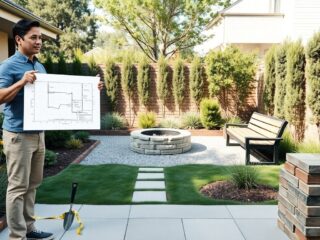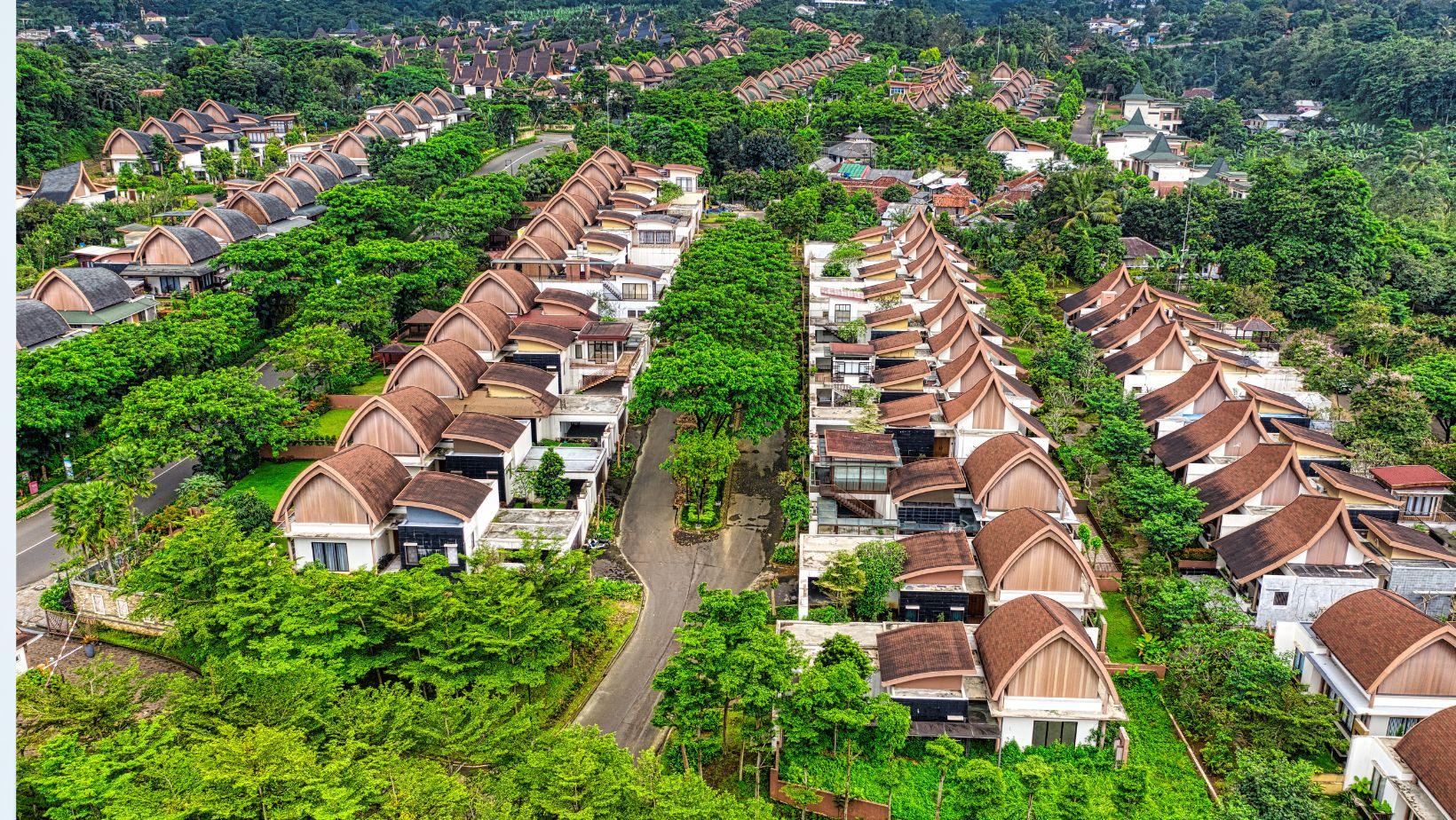
Walk through any well-planned neighborhood, and it’s easy to notice the details that make it appealing. Attractive homes, landscaped yards, tree-lined streets, and thoughtfully designed public spaces all contribute to a community’s charm.
What most homeowners never see is the infrastructure that made those homes possible in the first place.
Long before builders frame walls or install roofing, extensive planning and site preparation take place beneath the surface. Roads, drainage systems, utility networks, grading, and other civil construction elements create the foundation for safe, functional, and long-lasting residential developments.
Let’s discuss what goes into this hidden infrastructure to help homeowners appreciate why quality planning matters just as much as quality construction.
Every Home Development Starts With the Land
Before a single home can be built, the land itself must be evaluated and prepared.
Not every piece of property is immediately ready for residential construction. Developers first need to understand the site’s natural characteristics, including its slope, soil conditions, drainage patterns, and environmental features. These factors influence how the neighborhood will be designed and how homes will perform over time.
Site preparation often includes:
- Clearing vegetation and debris
- Grading the land to create stable building areas
- Moving or compacting soil where necessary
- Preparing access for construction equipment
- Addressing environmental or drainage concerns
These early decisions create the conditions needed for every phase of construction that follows.
Roads and Access Are Planned Before Homes Are Built
It’s easy to think of neighborhood streets as a finishing touch, but road planning begins early in the development process.
Engineers and planners determine how vehicles, pedestrians, emergency responders, and service providers will move safely throughout the community. Street layouts also influence traffic flow, property access, and future expansion opportunities.
Infrastructure planning may include:
- Residential streets
- Sidewalks and walking paths
- Driveway connections
- Emergency vehicle access
- Construction routes during development
Thoughtful planning helps create neighborhoods that are both functional and easy to navigate for years to come.
Utility Systems Make Modern Living Possible
One of the most important parts of residential infrastructure is something homeowners rarely think about until a problem occurs.
Every home depends on a network of essential utility systems working together behind the scenes.
These systems may include:
Water Distribution
Reliable water service requires carefully designed underground piping that delivers clean water to every property.
Sewer Infrastructure
Wastewater systems safely transport sewage away from homes while supporting public health and environmental standards.
Stormwater Management
Rainwater needs somewhere to go. Storm drains, retention systems, and grading work together to prevent flooding and reduce erosion throughout the neighborhood.
Electrical and Communication Networks
Electricity, internet, and communication services all depend on infrastructure that is planned long before homeowners move in.
When these systems are designed as part of a coordinated development plan, communities often experience fewer service interruptions and better long-term reliability.
Drainage Protects Homes Long After Construction Ends
Water is one of the biggest threats to residential properties if it is not managed properly.
That is why drainage planning is a critical part of civil infrastructure.
Grading helps direct water away from homes and foundations, while stormwater systems collect and manage runoff during heavy rainfall. Without these measures, water can pool around buildings, damage landscaping, contribute to erosion, and increase maintenance costs over time.
Effective drainage planning also helps preserve:
- Foundations
- Driveways
- Sidewalks
- Roads
- Green spaces
- Retaining walls
Although these systems are mostly hidden from view, they play an important role in protecting homeowners’ investments.
Civil Construction Connects Every Piece of the Development
Residential developments involve far more than building houses.
Before vertical construction begins, multiple infrastructure systems must work together to support the community as a whole. Roads, utilities, drainage, grading, and site preparation all need to be carefully coordinated so they function as an integrated system rather than as separate components.
Whether preparing land for a new subdivision or supporting community growth, working with professionals who provide civil construction services near Rifle, Colorado, can help ensure infrastructure is properly planned before homes begin to take shape.
This early coordination helps reduce construction delays, supports efficient project delivery, and creates neighborhoods that are built on a strong foundation.
Quality Infrastructure Creates Better Communities
Homeowners often judge a neighborhood by its appearance, but the true measure of a successful development goes much deeper.
Well-designed infrastructure contributes to everyday comfort in ways that are easy to overlook.
It helps create:
- Reliable utility services
- Safer road networks
- Better drainage after storms
- Reduced long-term maintenance issues
- Improved accessibility throughout the community
- Greater confidence in long-term property performance
These benefits may not always be visible, but they influence how neighborhoods function for decades.
Why It Matters to Homeowners
Even if you’re purchasing a completed home rather than building one from the ground up, understanding the role of infrastructure can help you make more informed decisions.
A well-planned community is often better equipped to handle heavy rainfall, support future growth, maintain public services, and preserve property values over time. It also reflects the importance of investing in the work that happens before homes are ever constructed.
When evaluating a new neighborhood, homeowners may naturally focus on floor plans, finishes, and curb appeal. Those elements certainly matter, but they are only part of the story.
The hidden infrastructure beneath the streets and surrounding the homes is what allows those communities to operate safely, efficiently, and reliably every day.
Final Thoughts
Successful home developments are built on far more than attractive architecture.
Behind every neighborhood is an extensive network of roads, utilities, drainage systems, grading, and site preparation that supports daily life long after construction crews leave. While homeowners rarely see this infrastructure, its impact can be felt in everything from reliable utilities to safer streets and better protection against water damage.
The strongest communities begin with thoughtful planning below the surface. When that foundation is done well, it supports homes that remain functional, resilient, and enjoyable for generations.