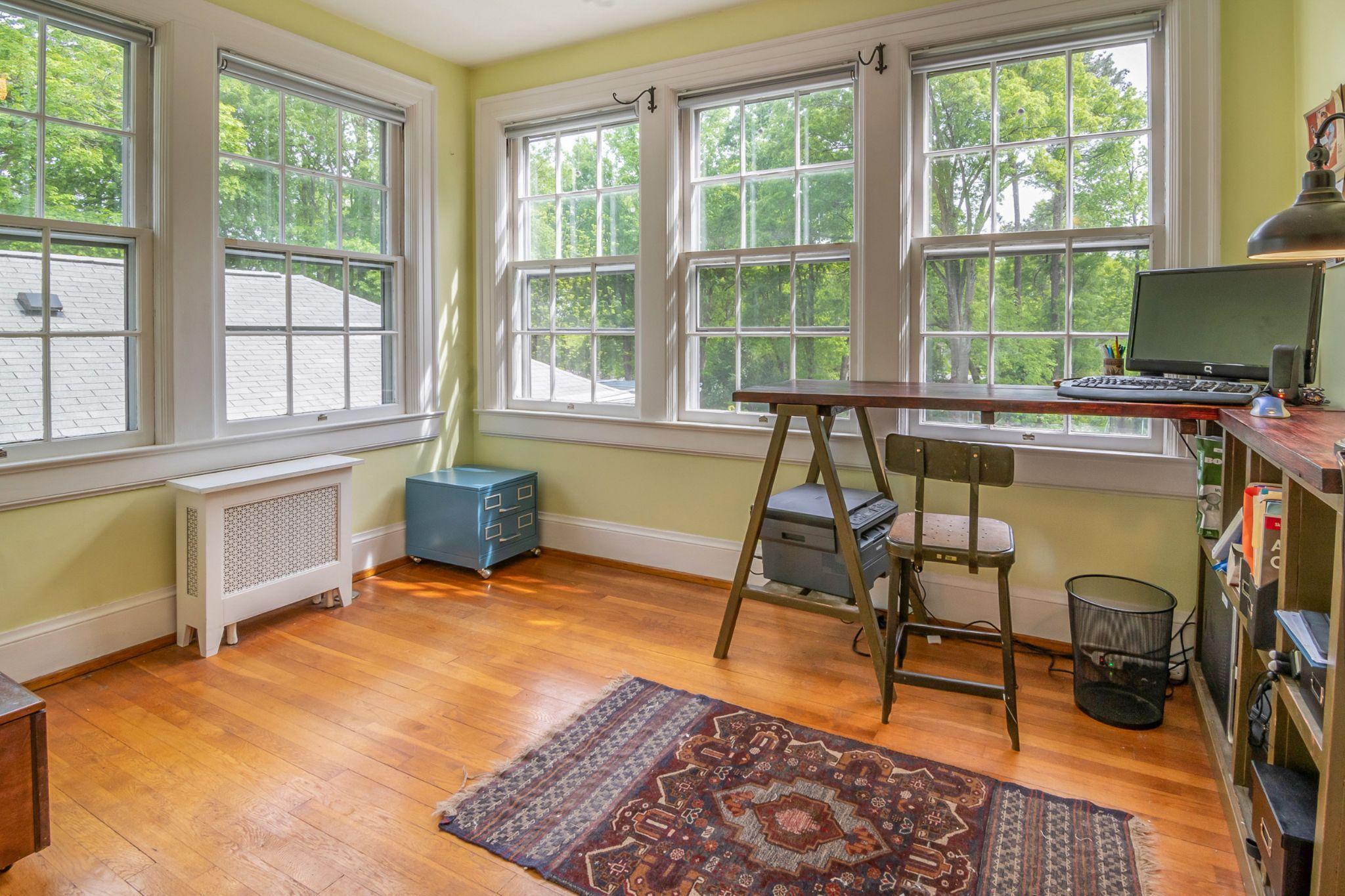
Nobody walks into an open house and asks about the windows first. They notice the kitchen island, the paint color, and maybe the backyard view. Yet within a few minutes of standing in a room, most buyers form a quiet opinion about comfort, and windows are usually behind that feeling. A drafty room feels cheap, even with granite counters sitting right there. A bright, warm, quiet room feels expensive even inside a modest house. Energy-efficient windows sit right at the center of that impression, and sellers who overlook them often lose points they never see coming until an offer comes in lower than expected.
Why A Room Feels Expensive Or Cheap In Seconds
People decide how a house feels before they decide what they think about it. Temperature, light, and noise reach the brain faster than square footage or layout ever will. Old HVAC systems, along with old single-pane windows, can make indoor temperatures difficult to control. Single-pane windows let heat escape in winter and pour it back in during summer, so a room can feel uncomfortable no matter how nicely it has been staged, and that discomfort quietly attaches itself to the whole home even when a buyer cannot name the exact reason.
What Buyers Feel While Touring A Home
Walk through any showing and watch body language instead of listening only to questions. Buyers touch walls, glance at ceilings, and stand near windows longer than almost anywhere else in a room. That pause is not random at all. Bodies register drafts, glare, and shifting temperature long before a mind puts words to any of it.
Homeowners hoping to sell quickly learn this lesson fast once feedback starts arriving after showings. A buyer might describe a room as small or dark when the real issue was a window letting in harsh light or cold air near the frame. For anyone searching Sell my house fast Detroit, fixing window performance early can prevent this kind of vague, hard-to-explain feedback from stalling a sale later on.
Real Costs Hiding Behind Old Glass
A window does more than let light into a room. Poor seals and thin glass force heating and cooling systems to work overtime, and that added cost shows up on every utility bill a new owner receives once they move in.
Buyers who ask sellers for average monthly energy costs often react to numbers inflated by outdated windows, and that reaction can shape a lower offer or an entirely walked-away deal. Nobody wants a surprise bill six months after closing, so this question comes up more often than sellers expect.
Agents who have watched enough deals fall apart over utility costs now bring up window age early in listing conversations, long before a buyer ever raises the subject themselves.
Simple Signs A Window Is Working Against You
Spotting a weak window rarely requires special tools or professional training. Cold air drifting near the glass on a still day usually points to a broken seal or thin insulation somewhere in the frame.
Condensation or fog trapped between panes signals a failed seal that no amount of cleaning will ever fix. Once moisture gets sealed inside double-pane glass, only replacement solves the problem for good.
Fading fabric, artwork, or flooring near a window often points to unfiltered ultraviolet rays passing straight through older glass without any coating to block them.
Street noise that sounds louder indoors than expected suggests thin or single-pane glass does little to buffer outside noise, and buyers notice quiet rooms almost immediately during a walkthrough.
Small Window Upgrades That Change A Whole Room
Replacing every window in a home is not always necessary to shift how a space feels. Adding weatherstripping, sealing visible gaps, or installing storm windows over older frames can noticeably calm drafts and outside noise without requiring a full renovation budget.
For sellers with more room to invest, double-pane or low-E glass options offer a stronger jump in comfort and perceived value across an entire home. Rooms with updated glass tend to photograph brighter, too, since glare and hot spots fade once coatings and gas fills are installed properly.
Good agents rarely lead with technical terms like U-factor or solar heat gain coefficient during a showing. Instead, they describe how a room feels, mentioning that it stays cool through summer afternoons or stays quiet even beside a busy street.
That approach works because buyers respond to comfort language far more than spec sheets full of numbers. Framing windows around lived experience rather than engineering details keeps the conversation natural while still communicating real value to a curious buyer.
Small, visible fixes near entry points and living rooms tend to earn the most notice, since those are the rooms buyers linger in longest during any showing.
A Detail Worth Fixing Before Listing Day
Windows rarely headline a listing description, yet they shape almost every impression a buyer forms once inside. Comfort, quiet, and natural light all trace back to glass and seals that most people never consciously evaluate during a walkthrough. Sellers who address window performance before listing give buyers one less reason to hesitate and one more reason to feel at home the moment they step through the door. Clear views of your backyard can further strengthen that feeling, making the entire property feel brighter, more inviting, and better connected. That quiet advantage often makes the difference between a home that lingers on the market and one that sells with confidence right away, all from a detail nobody thought to ask about.
Frequently Asked Questions
Q1: Why do energy-efficient windows matter when selling a home?
Answer: Energy-efficient windows can significantly improve a home’s comfort and overall feel. Buyers often form opinions based on temperature, natural light, and noise levels, and old, drafty windows can make a property feel less appealing even if it has other desirable features. Speedy Sale Home Buyers understands how these details influence buyer perception and can help homeowners explore their selling options with confidence.
Q2: How can I tell if my windows are energy-efficient?
Answer: Look for signs like cold drafts near the glass, condensation between panes, or fading fabrics near windows. If you notice any of these issues, your windows might not be performing well and could benefit from an upgrade or repair.
Q3: What are some simple upgrades I can make to my windows before selling?
Answer: You don’t have to replace all your windows to improve comfort. Adding weatherstripping, sealing gaps, or installing storm windows can reduce drafts and noise. For a bigger impact, consider upgrading to double-pane or low-E glass options.
Q4: How do old windows affect energy bills for new homeowners?
Answer: Old windows with poor seals and thin glass can cause heating and cooling systems to work harder, leading to higher utility bills. Buyers often react negatively to inflated energy costs, which can lead to lower offers or even lost deals.
Q5: Should I mention window performance when listing my home?
Answer: Absolutely! While windows might not be the first thing buyers ask about, their performance plays a crucial role in how a home feels. Highlighting the comfort and quietness that improved windows provide can make your listing more appealing and help you sell faster.