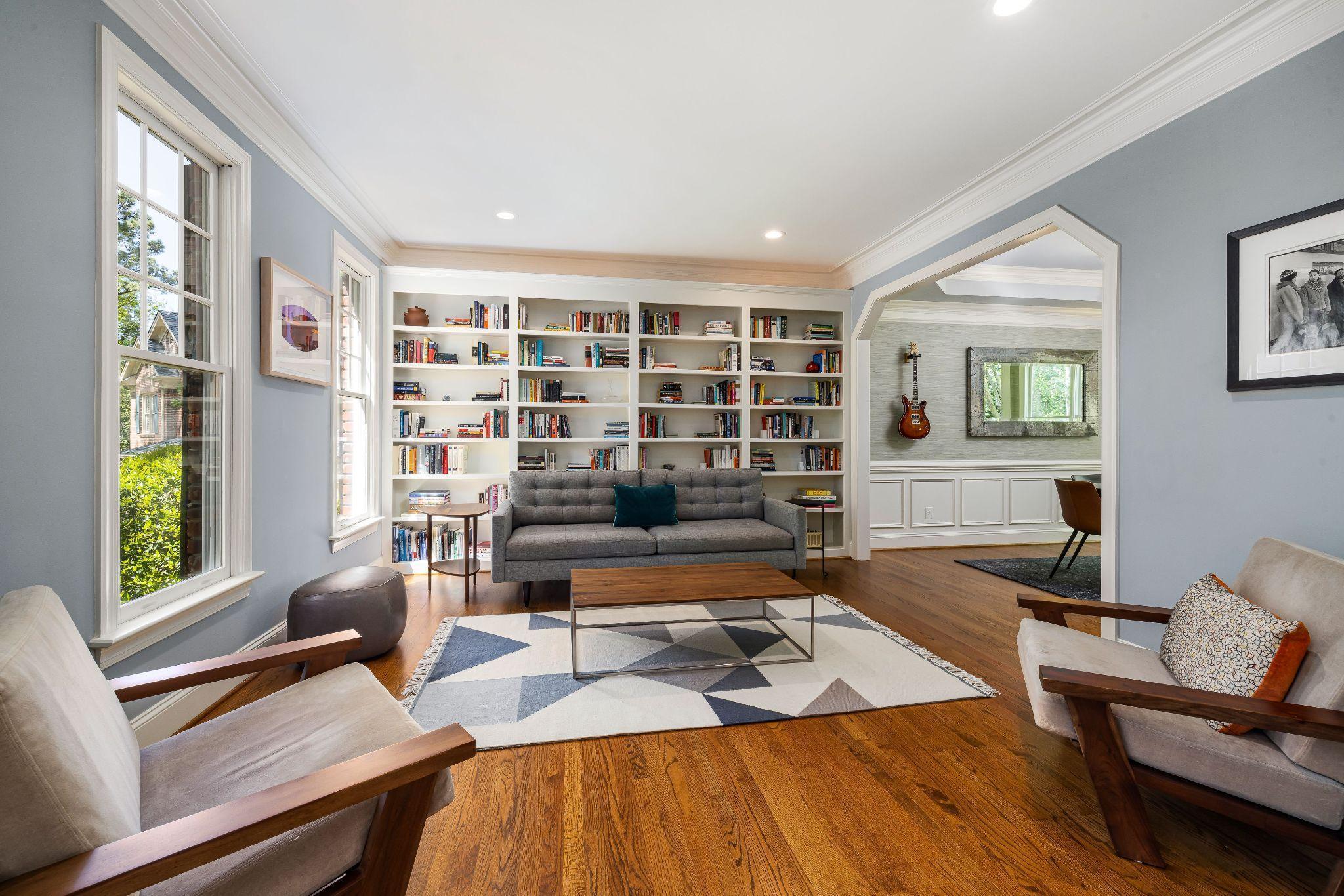
Walk a buyer into a room with custom shelving wrapped around a window or built snug against a fireplace, and watch what happens. Phones go into pockets. Voices drop a little. People start picturing their book collection, their kids’ trophies, or grandma’s old china sitting on those shelves. Built-in bookshelves do something a lot of home features can’t: they make a house feel like it was made for someone specific, even if that someone is a total stranger walking through for the first time. Here’s why this small architectural detail creates such a big emotional reaction, and what it means for anyone selling a home that has it.
Why Some Buyers Melt for Custom Shelving
Built-in shelves feel permanent and thought out. They’re not something you grab from a big box store and shove against a wall. Someone measured that space, planned the depth, matched the trim to the room, and built it to last. Buyers pick up on that kind of care without even realizing it, and it quietly raises their opinion of the whole house before they’ve even reached the kitchen. There’s also a nostalgia factor at play. A lot of people grew up around a grandparent’s library nook or a family room with built-in cabinets holding board games and photo albums, and seeing that layout again pulls up warm memories from childhood.
What These Shelves Say About a Home
A house with built-ins usually tells a buyer that whoever lived there cared about details, not just square footage. That impression matters more than people admit, and it can shift a buyer’s mindset from browsing mode into I want this one mode within a few seconds.
If you’re trying to move a property quickly and want buyers to feel that instant pull, working with a team that knows how to market these small touches, like Sell My House Fast Huntsville, can make the difference between a listing that lingers and one that sells fast.
Rooms Where Built-Ins Make the Biggest Impact
Not every room gains equally from custom shelving. Some spaces turn it into a major selling point, while others barely notice the upgrade at all.
- Home offices: shelves next to a desk make the room feel like a real workspace instead of a spare bedroom with a laptop.
- Living rooms: flanking a fireplace with shelving is one of the most requested features on buyer wish lists.
- Reading nooks: a window seat framed by shelves turns an awkward corner into the coziest spot in the house.
- Hallways and stairwells: built-in ledges along a staircase wall add character without eating up floor space.
Each of these spots turns a plain room into something buyers remember after touring five other houses that same day.
Smart sellers walk through their own home and ask which room a buyer will linger in longest, then focus any shelving upgrade there instead of spreading the budget thin.
Cost Versus Payoff: Is Building Them Worth It
Custom built-ins aren’t cheap. A simple version might run a few thousand dollars, and a detailed floor-to-ceiling design with molding and lighting can cost quite a bit more.
Real estate agents often report that built-ins help a home stand out in listing photos and pull in more foot traffic during showings.
Sellers thinking about adding shelving before listing should weigh the room they’re upgrading against local buyer habits and lifestyles in the area, along with how long they plan to stay before selling, whether the upgrade fits the overall style of the house, and whether consulting a house painter can help create a more polished and appealing finish that attracts potential buyers.
A home office nook in a neighborhood full of remote workers might pay for itself in faster offers, while a random shelf unit tucked in a laundry room probably won’t move the needle much.
Signs a Buyer Is Ready to Fall in Love
Agents who’ve watched hundreds of showings can usually spot the exact moment a buyer connects with built-ins.
- They stop and touch the shelves, checking the wood quality or hinges.
- They ask what’s staying with the house versus what the seller plans to take.
- They start talking about their own belongings and how they’d arrange them.
- They take extra photos of that one corner instead of the whole room.
Those small moments often mean the buyer has already mentally moved in, long before any offer paperwork comes out.
Sellers who notice this reaction during a showing can lean into it, mentioning how the shelves were built or how long they’ve held up over the years.
A little story about the feature adds warmth and makes the connection stick even after the buyer leaves the house.
That lingering memory is often what pulls a buyer back for a second visit or pushes them to write an offer sooner than planned.
|
Quick Takeaway Built-in shelving works because it signals care and permanence, not because of the wood or paint color alone. |
Make the Most of Your Shelving
Built-in bookshelves aren’t just a design trend.
They tap into something people crave in a home: proof that a space was built with intention and care.
Whether you’re a buyer hunting for that instant connection or a seller wondering if custom shelving is worth the investment, this small feature carries real emotional weight.
If your home already has built-ins, lean into them during showings and photos.
If it doesn’t, even one well-placed shelving unit near a fireplace or window could be the detail that makes a buyer stop scrolling listings and start picturing their own life inside your walls.
Sometimes it really is the little things that seal the deal.
FAQs
Q1: Why are built-in bookshelves so appealing to buyers?
Answer: Built-in bookshelves create a sense of permanence and thoughtfulness in a home. They signal that the space was designed with care, which often resonates emotionally with buyers, making them feel more connected to the property.
Q2: How do built-ins affect a home’s selling potential?
Answer: Homes with built-ins often stand out in listing photos and attract more foot traffic during showings. They can create an instant connection with buyers, shifting their mindset from casually browsing to seriously considering the home.
Q3: Which rooms benefit the most from built-in shelving?
Answer: Built-in shelves make a significant impact in home offices, living rooms, reading nooks, and even hallways or stairwells. These spaces can transform into memorable areas that buyers will associate with warmth and character.
Q4: Is it worth the investment to add built-ins before selling?
Answer: While custom-built-ins can be costly, they often lead to faster offers and can significantly enhance a home’s appeal. It’s essential to consider local buyer habits and the overall style of your home before deciding on the upgrade.
Q5: How can I tell if a buyer is interested in my built-ins during a showing?
Answer: Look for signs like buyers touching the shelves, asking what stays with the house, or imagining where their belongings would go. These are strong signs of emotional interest. Madison County House Buyers understands how these buyer reactions can influence a successful home sale.