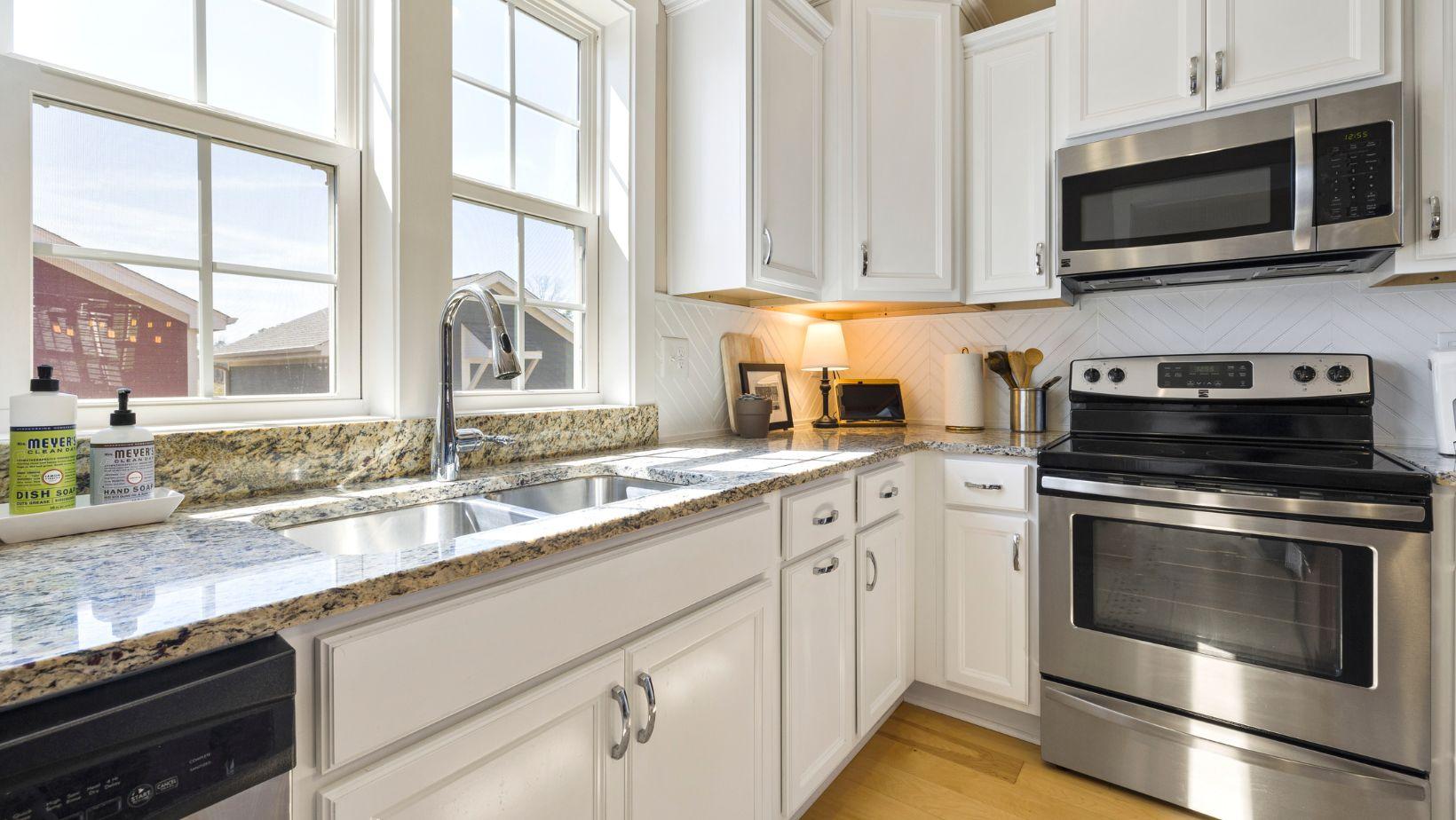
A kitchen can be beautiful on its own and still feel cut off from the rest of the house. That happens more often than people expect. The cabinets may be new, the counters may look great, and the finishes may all work well together, yet the room still feels separate. It can seem darker than nearby spaces, harder to move through, or less welcoming during everyday life.
That is often a sign that the kitchen needs more than a surface update. It needs stronger connection.
A connected kitchen feels easier to live in. It works better with the rooms around it, supports the way people move through the home, and makes daily routines feel smoother. It also tends to feel brighter, calmer, and more open, even when the footprint stays the same.
Creating that kind of connection does not always require a full rebuild. In many homes, it comes from a series of smart design choices that improve flow, light, sightlines, and everyday function.
Start by looking beyond the kitchen itself
One of the most common mistakes in a kitchen update is focusing too closely on the room in isolation. It is easy to get caught up in cabinet styles, backsplash ideas, and countertop samples without stepping back to ask how the kitchen fits into the wider home.
A better starting point is to look at how the room connects to nearby spaces. Does it open naturally into the dining room or living area, or does it feel boxed in? Does it receive enough daylight from the surrounding rooms, or does it seem shut away from the best light in the house? Do people move through it comfortably, or does the layout create bottlenecks?
Those questions matter because the kitchen rarely functions alone. It is part of a larger rhythm that includes cooking, gathering, helping with homework, unloading groceries, and moving between indoor and outdoor spaces.
Make layout the first priority
A kitchen that feels connected usually starts with a better layout. This matters more than many homeowners expect because layout shapes how the room works every single day.
If the main work areas sit too close together, the kitchen can feel cramped. If they sit too far apart, simple tasks take more effort than they should. In some homes, the bigger issue is not the work triangle at all, but the way the kitchen interrupts movement to the dining room, patio, or family room.
That is one reason many homeowners begin kitchen remodeling by rethinking layout first. Once the room flows better, it becomes much easier to build a design that feels open, useful, and in step with the rest of the house.
Open up sightlines where it makes sense
Connection is not only about walking from one room to another. It is also about being able to see and feel that the spaces belong together.
A kitchen can seem more isolated when upper cabinets block views, a bulky island interrupts the line of sight, or a narrow opening cuts the room off from the areas beside it. Even small changes can make a difference here. A lighter island design, fewer visual barriers, or a cleaner view into the next room can help the whole space feel more unified.
That does not mean every home needs a fully open-plan layout. Some structure is useful. The goal is simply to remove the visual obstacles that make the kitchen feel more separate than it needs to be.
Bring in more natural light
Light has a huge effect on whether a kitchen feels connected or closed off. A room with better daylight often feels larger, calmer, and easier to enjoy, even before any other changes are made.
The best approach is not always adding more fixtures. Sometimes the smarter move is to help natural light travel further through the home. That may mean widening an opening, using lighter finishes that reflect daylight more effectively, or reducing visual heaviness around windows and doorways.
When daylight reaches the center of the kitchen and links it to nearby rooms, the whole house can feel more open.
Use exterior openings to strengthen the link to outdoor space
One of the most effective ways to make a kitchen feel more connected is to improve how it opens to the outside. In many homes, the kitchen backs onto a patio, garden, or deck, but the opening does not do much to support that relationship.
A narrow rear door or a small glazed opening can limit both light and movement. Replacing that with French doors can make a big difference. A wider opening brings in more daylight, improves the view, and creates an easier path between the kitchen and outdoor living space.
This kind of update can change the feel of the room in a very natural way. The kitchen starts to feel less enclosed and more like part of the full home environment, especially during meals, gatherings, or warmer months when indoor and outdoor spaces are used together.
Keep materials and color in conversation with nearby rooms
A connected kitchen should not feel as though it was designed without any reference to the rest of the house. Even when the room has its own identity, the materials and colors should still relate to what comes before and after it.
That does not mean everything needs to match. It simply means the palette should feel intentional. Warm wood tones, soft neutrals, matte finishes, and flooring choices that relate well to nearby spaces can all help the kitchen feel like part of a larger whole.
Sharp changes in tone, too many competing finishes, or overly strong contrast can make the room feel visually disconnected, even if the layout itself works well. Cohesion often comes from restraint more than boldness.
Create zones that support the way the home is used
A kitchen usually does more than cooking alone. It may also serve as a breakfast spot, a place to sort mail, a homework station, or a natural gathering point at the end of the day. When the room is designed only around cooking tasks, it can miss the way real homes actually work.
This is where zones become useful. A clear prep area, a place for coffee or quick meals, a better drop zone near the entry, or seating that does not interrupt movement can all help the kitchen feel more in step with the rest of the home.
These do not have to be major features. In many cases, it is the smaller adjustments that make the room feel easier to share and easier to keep in order.
Make transitions feel smoother
The way one room leads into another has a quiet but powerful effect on how a home feels. Sudden flooring changes, awkward corners, heavy visual breaks, or narrow openings can make a kitchen seem more separate than it really is.
Smoother transitions help solve that. Consistent flooring where appropriate, balanced lighting, and better alignment between the kitchen and nearby spaces can all create a gentler flow. When a person can move from one area to the next without feeling an abrupt shift, the home starts to feel more settled.
This is especially helpful in smaller homes, where each room has a stronger effect on the spaces around it.
Final thought
A connected kitchen is rarely the result of one dramatic change. More often, it comes from a group of thoughtful updates that improve layout, light, movement, and the relationship between the kitchen and the rest of the home.
When the room flows better, welcomes more daylight, and supports the way people actually live, it starts to feel less like a separate zone and more like part of the home’s natural rhythm. That kind of connection makes daily life easier, but it also makes the whole house feel warmer and more inviting.
A kitchen does not need to be larger to feel better connected. In many cases, it simply needs to be planned with the whole home in mind.