From worn wood counters and vintage tile floors to neighborhood familiarity and decades of memories, older restaurants offer a sense of authenticity that customers genuinely appreciate. However, while character attracts loyal guests, aging layouts, outdated systems, and inefficient workflows can eventually prevent an older restaurant from flourishing.
The challenge for many restaurant owners is finding the balance between modernization and preservation. Renovating too aggressively can remove the soul of a restaurant, while avoiding upgrades altogether can make the business feel outdated and uncomfortable for both customers and staff.
Fortunately, modernization doesn’t have to mean starting from scratch. With thoughtful planning, restaurant owners can improve functionality, efficiency, and aesthetics while still preserving the charm that made the space special in the first place.
Identify What Makes the Restaurant Unique
Before making any design decisions, it’s important to determine which elements define the restaurant’s identity. These may include:
Not every old feature needs to stay, but understanding what customers emotionally connect with helps guide smarter renovation decisions. In many cases, preserving even a few signature elements can maintain the restaurant’s familiar feel while allowing the rest of the space to evolve.
Restaurant owners sometimes make the mistake of focusing solely on trends. While modern finishes may look appealing initially, removing too much character can make a once-distinct restaurant feel generic. Customers often remember how a place feels just as much as how it looks.
Improve Functionality Without Changing the Identity
One of the biggest reasons restaurants renovate is to improve operations. Older spaces were often designed for a different era of dining, and many layouts no longer support modern service expectations. A restaurant can preserve its visual identity while still improving the behind-the-scenes functionality. For example:
Many successful renovations focus on operational upgrades that customers barely notice directly, but experience through smoother service and a more comfortable environment. This approach allows restaurant owners to modernize the experience without removing the elements customers already love.
Update Lighting for a More Modern Atmosphere
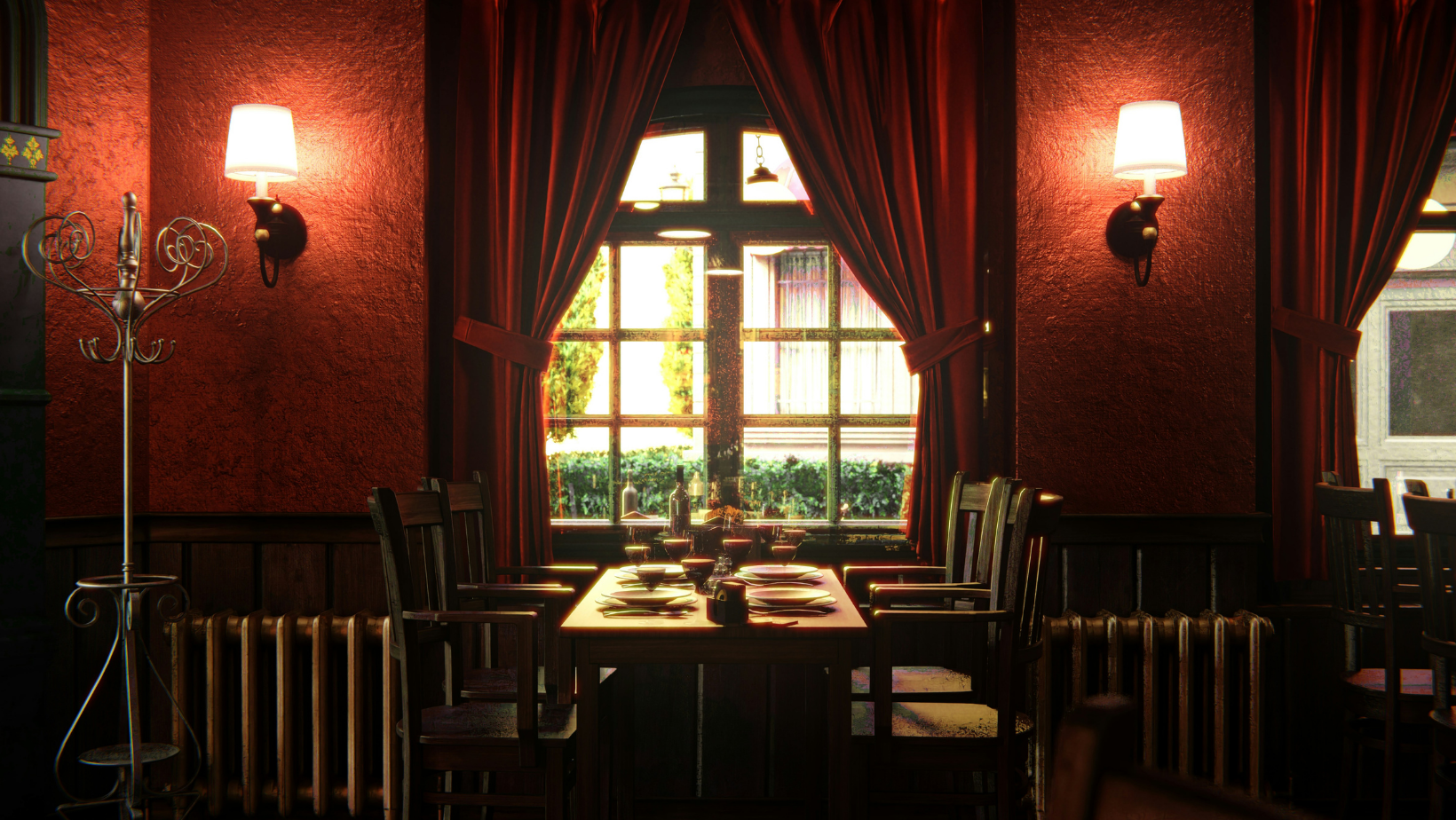
Lighting has a major impact on how customers perceive a restaurant. Unfortunately, most older restaurants often suffer from poor lighting conditions caused by outdated fixtures, uneven brightness, or overly dim interiors. Modernizing lighting doesn’t require abandoning the restaurant’s original aesthetic. Instead, restaurant owners can combine classic design elements with updated lighting technology.
For example, warm LED systems can create a cozy atmosphere while improving energy efficiency. Accent lighting can highlight architectural details or vintage decor without overwhelming the space.
Pendant fixtures, wall scones, and layered lighting strategies can also make an older restaurant feel refreshed without making it feel unfamiliar. Lighting upgrades are often one of the most cost-effective ways to modernize a restaurant while maintaining its personality.
Preserve Materials Whenever Possible
Authentic materials are difficult to replicate. Original woodwork, exposed brick, aged metal, and handcrafted details often contribute heavily to a restaurant’s charm. Rather than replacing these features entirely, restoration is often the better option.
Refinishing wood surfaces, repairing vintage tile, or cleaning exposed masonry can dramatically improve the appearance of a restaurant while preserving its history. Guests tend to appreciate spaces that feel genuine rather than artificially recreated.
In many cases, contrast also works well. Pairing old textures with modern furnishings or contemporary finishes can create a balanced design that feels intentional rather than outdated. A carefully restored dining room can feel timeless while still offering the comfort and convenience modern diners expect.
Modernize the Customer Experience
Even restaurants with historic charm need to adapt to the changing dining habits and technology expectations. Modernization can include:
These upgrades can improve the overall guest experience without altering the restaurant’s identity. Restaurant owners should think of modernization as enhancing comfort and usability rather than replacing tradition. Guests are more likely to return when a restaurant feels both authentic and functional.
Use Design-Build Expertise to Balance Old and New
Renovating an older restaurant can quickly become complicated, especially when structural limitations, historical details, and operational demands intersect. That’s why many restaurant owners choose to work with experienced design-build firms that can manage both design planning and construction.
Companies like I-5 Design Build are often involved in commercial renovation projects where preserving character is just as important as improving efficiency. Integrated design-build teams can help restaurant owners identify which architectural features should remain, which systems need modernization, and how to improve workflows without compromising the restaurant’s atmosphere.
This collaborative approach can also reduce communication issues during construction since designers and builders work together throughout the project. For restaurant owners trying to minimize downtime and avoid costly revisions, having a coordinated process often makes renovations significantly smoother.
Focus on Comfort, Not Just Appearance
Some restaurant renovations look impressive visually but fail operationally because comfort was overlooked. Modern customers are mindful of details, such as table spacing, noise levels, and seating comfort.
An older restaurant may benefit from subtle improvements like:
These changes may seem minor individually, but together they can create a significantly better dining experience.
Maintain a Consistent Story
One of the most important aspects of restaurant modernization is maintaining design consistency. Problems often arise when renovations combine too many unrelated styles or trends.
If the restaurant has an industrial history, modern upgrades should complement that aesthetic. If the space has a vintage or family-oriented identity, contemporary additions should feel subtle and supportive rather than overpowering.
Consistency helps customers feel that the restaurant has evolved naturally instead of completely reinventing itself overnight. The goal isn’t to erase the past, but to create a cleaner, more functional version of the same story that customers already recognize.
Endnote
Modernizing an older restaurant isn’t about replacing history with trends. A well-executed renovation allows an older restaurant to feel refreshed, welcoming, and relevant, without losing the personality that made it memorable in the first place.