Most home improvements feel like upgrades the day they’re done and liabilities five years later. A roof is different. Get the material right, and it stops being a recurring line item and starts behaving like a permanent asset — one that holds value while everything else on the house ages around it.
The Roof as a Long-Term Asset
Of all the decisions a homeowner makes about a property, the roofing material is one of the few where the upfront choice directly determines cost across the next three or four decades. Paint fades and gets redone. Kitchens get renovated. But the roof either needs replacing in 20 years or it doesn’t — and that outcome is mostly set at installation.
Steel roofing systems rated for 40 to 70 years exist precisely to close that gap. Specialists like MROOF metal roofing install steel profiles across the GTA — standing seam panels, metal roof shingles, Monterey and Bond style metal tiles, and trapeze systems for garages and outbuildings — all built around the same premise: one installation over the window where asphalt needs two or three. The profiles differ in look and price point, but the underlying logic is the same. Buy once, maintain minimally, don’t negotiate around it when the time comes to sell.
Asphalt, by contrast, runs $9,000 to $25,000 per replacement cycle. A homeowner who stays put for 40 years and uses standard shingles isn’t saving money on roofing — they’re financing it in installments, with labor costs that only go up.
What Steel Actually Looks Like on a House
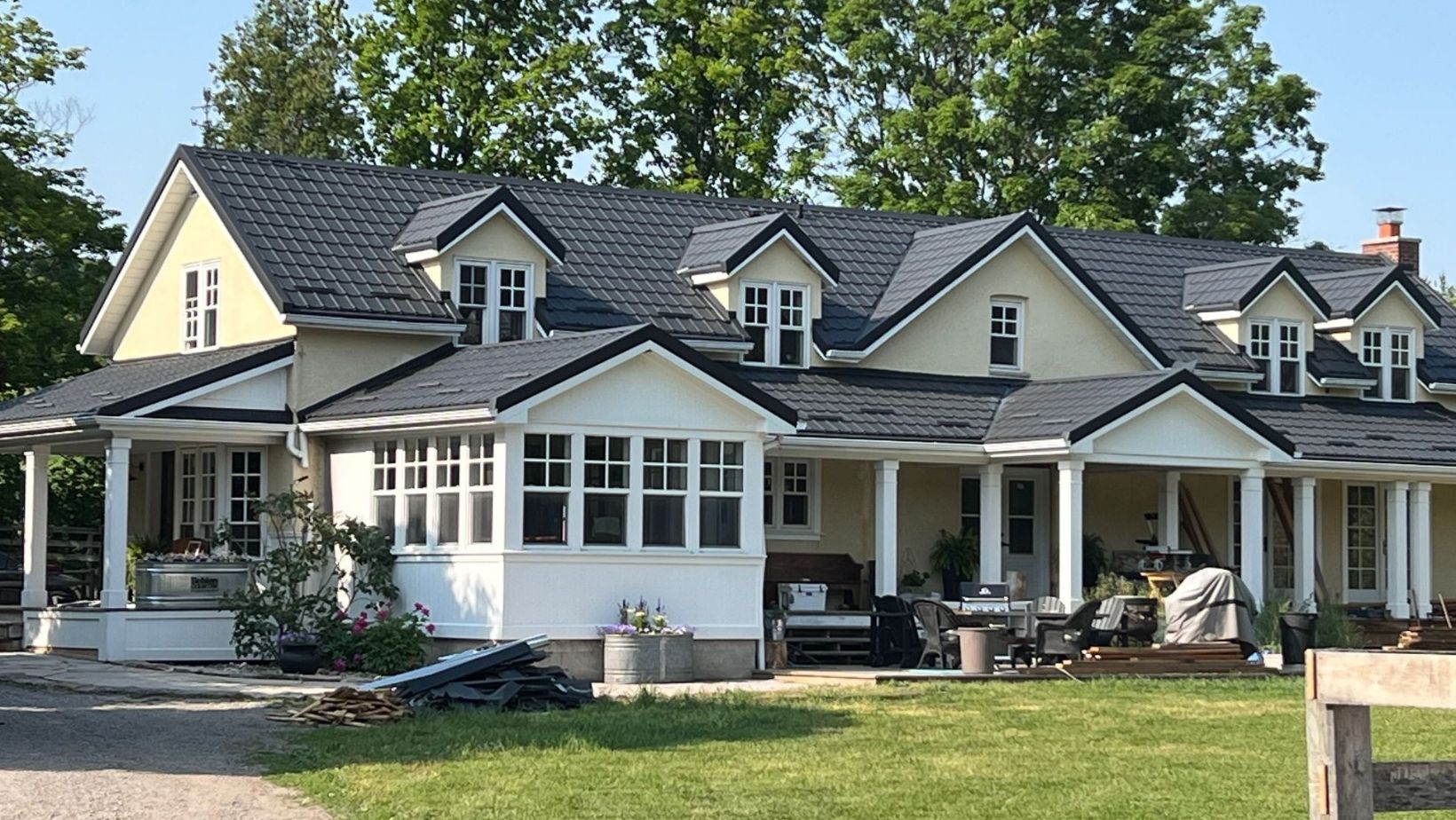
Metal roofing carries a reputation for industrial aesthetics that the current product range mostly doesn’t deserve. The corrugated shed look is one narrow slice of what’s available. Modern steel profiles are designed to read as residential — sometimes indistinguishably so.
Standing seam panels run vertical with concealed fasteners and clean flush seams, lending a contemporary look that performs well in both modern builds and cleaner traditional homes. Metal roof shingles carry the silhouette most buyers associate with asphalt, with none of the replacement timeline. Tile profiles — Monterey for a European curved look, Bond style for a flatter traditional appearance — reference clay and concrete without the weight or the cracking that comes with freeze-thaw cycles. For practical applications like garages, additions, or low-slope sections, trapeze panels offer an economical steel option that doesn’t compromise on durability.
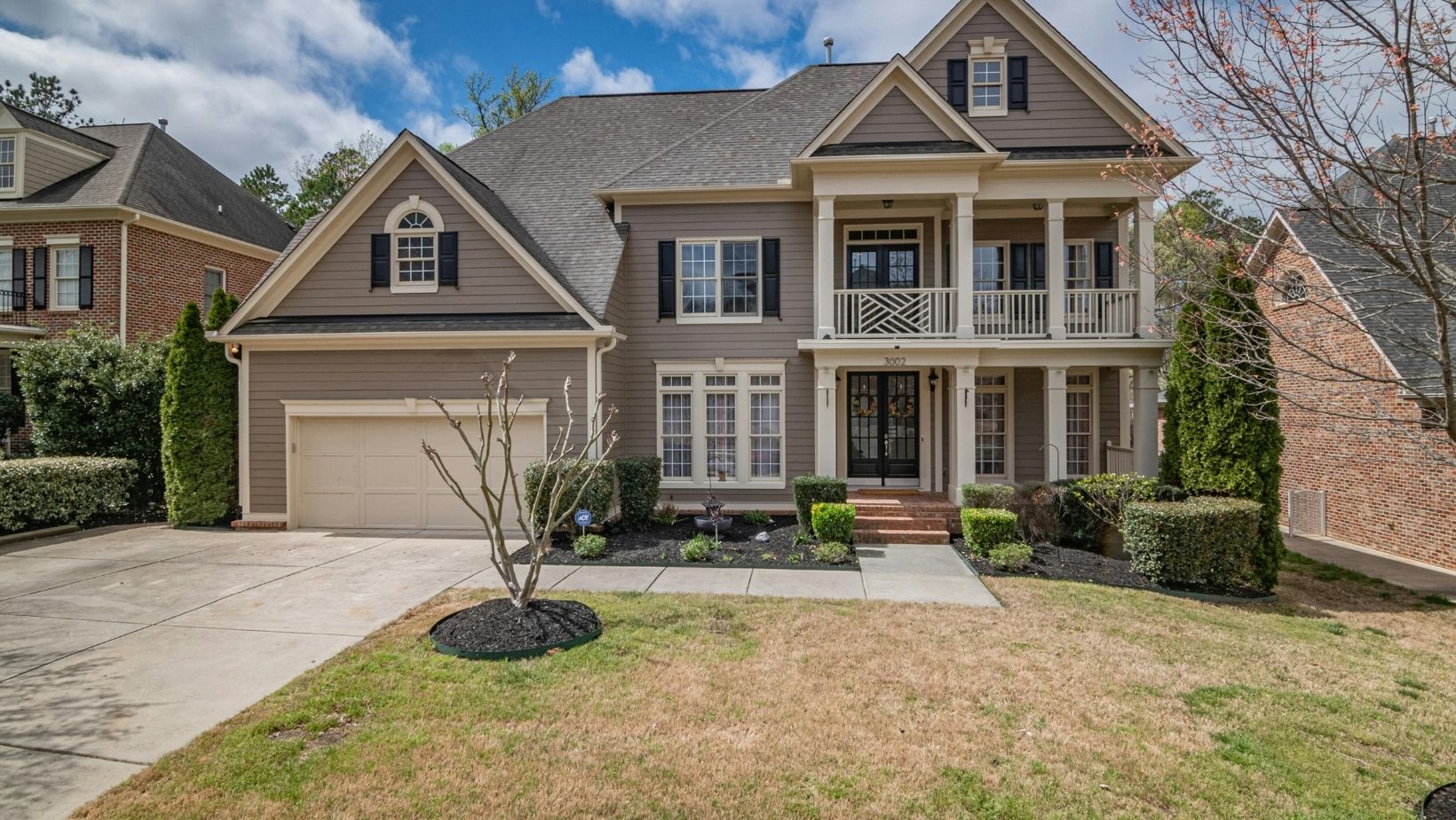
Visual range matters because buyers read roofs before they read listing descriptions. A standing seam roof signals contemporary and low-maintenance. A Monterey tile signals traditional and permanent. Both signal that the new owner won’t be replacing the roof before their second mortgage payment.
What Buyers Actually Pay For
A 2022 survey by the National Association of Realtors found that a new roof ranks as the single most appealing exterior feature for buyers — ahead of kitchens, landscaping, and new windows. That’s worth sitting with for a moment. The feature buyers want most is the one most homeowners treat as a grudge purchase.
The ROI data reflects that perception in the sale price:
- The 2024 Cost vs. Value Report puts the national average cost recoup for a standing seam metal roof at 48.1% at resale — roughly half the installation cost comes back directly in the sale price.
- Regional markets in eastern Canada and the US outperform that average, with recovery rates measured above 85% in some areas.
- Homes with metal roofs typically list 4 to 6% higher than comparable properties with aging asphalt — on a $600,000 home, that’s $24,000 to $36,000.
- Metal’s share of the residential replacement market grew from 3% in 1998 to 18% by 2022. Buyers recognize it now in a way they didn’t a generation ago.
Metal roofing is not a full-cost-recovery upgrade — that’s worth saying plainly. What it does is remove the roof from the buyer’s objection list entirely, eliminate the negotiating discount that comes with an aging system, and hand the next owner decades of coverage they didn’t have to arrange themselves.
The Full Cost Equation
The comparison between asphalt and steel almost always looks wrong at first glance. Steel costs more upfront. That part is accurate. What the upfront number misses is the second replacement, the third inspection report, the insurance differential, and the discount a buyer will reasonably expect when they can see the roof has eight years left in it.
Most steel roofing achieves a Class 4 impact rating, and many insurance carriers offer premium discounts for impact-resistant and fire-rated materials. In hail-prone markets, that discount can reach up to 35% — a saving that compounds quietly across every year the roof is in place.
Add it up across a full ownership period: one installation, minimal maintenance, lower insurance, no replacement cycle, and a listing that doesn’t require explaining the roof’s condition to every buyer who walks through. That’s the actual cost of a metal roof. The upfront number is just the first line of it.