Picture this: You walk into a friend’s apartment and instantly feel at home. The space feels open, the colors are fresh, and every piece of furniture seems to have a purpose. You ask where it all came from, and your friend grins, “It’s all Ikea.” If you’ve ever wondered how some people make Ikea interior design look so effortless, you’re not alone. The truth? It’s not about having a designer’s eye—it’s about knowing a few tricks, making smart choices, and being willing to experiment (and, yes, sometimes assemble furniture at midnight).
Why Ikea Interior Design Works for Real Life
Ikea interior design isn’t just about flat-pack furniture and Swedish meatballs. It’s about creating a space that feels like you—without spending a fortune. If you’ve ever felt overwhelmed by home decor, Ikea’s approach can be a game-changer. The pieces are simple, but that’s the secret: they’re a blank canvas for your personality. Whether you live in a tiny studio or a sprawling house, Ikea interior design adapts to your needs.
Here’s the part nobody tells you: Ikea’s best designs come from mixing their basics with your own style. You don’t need to copy the catalog. Instead, use it as a starting point. Add a thrifted lamp, a bold rug, or your favorite art. Suddenly, your space feels curated, not cookie-cutter.
Getting Started: Who Should Use Ikea Interior Design?
If you want a home that’s stylish, functional, and affordable, Ikea interior design is for you. It’s perfect for:
- First-time renters or homeowners
- People who move often
- Anyone on a budget
- Fans of clean, modern lines
- DIY enthusiasts who love a good hack
But if you crave antique French armoires or custom millwork, Ikea might not scratch that itch. And that’s okay. The magic of Ikea interior design is its flexibility. You can go all-in or just pick a few pieces to mix with what you already own.
Core Principles of Ikea Interior Design
1. Function First, Always
Ikea’s designers start with how people actually live. That means storage that hides clutter, sofas that double as beds, and tables that expand for dinner parties. Before you buy anything, ask: What do I need this space to do? If you work from home, maybe you need a desk that tucks away. If you love to cook, focus on kitchen storage. Ikea interior design shines when every piece earns its keep.
2. Keep It Simple—But Not Boring
Simple doesn’t mean bland. Ikea’s best rooms use a neutral base—think white, gray, or light wood—then layer in color and texture. Try a white KALLAX shelf with woven baskets, or a gray KLIPPAN sofa with a bright yellow throw. The trick is to pick one or two bold accents and let them pop against a calm background.
3. Mix and Match Like a Pro
Here’s where Ikea interior design gets fun. Don’t buy everything from one collection. Pair a classic BILLY bookcase with a funky RÅSKOG cart. Hang a gallery wall above a minimalist MALM dresser. The best spaces feel collected, not staged. If you’re nervous, start small—swap out knobs, add a patterned pillow, or paint a piece in your favorite color.
Room-by-Room Ikea Interior Design Ideas
Living Room: Comfort Meets Style
The living room is where Ikea interior design really shines. Start with a sofa that fits your space—like the modular VIMLE or the compact FÄRLÖV. Add a LACK coffee table (it’s light enough to move for movie night) and a few textured rugs. Don’t forget lighting: a floor lamp in the corner and a table lamp by the sofa create cozy layers. Pro tip: Use a KALLAX shelf as a room divider in open-plan spaces.
Bedroom: Calm, Cozy, and Clutter-Free
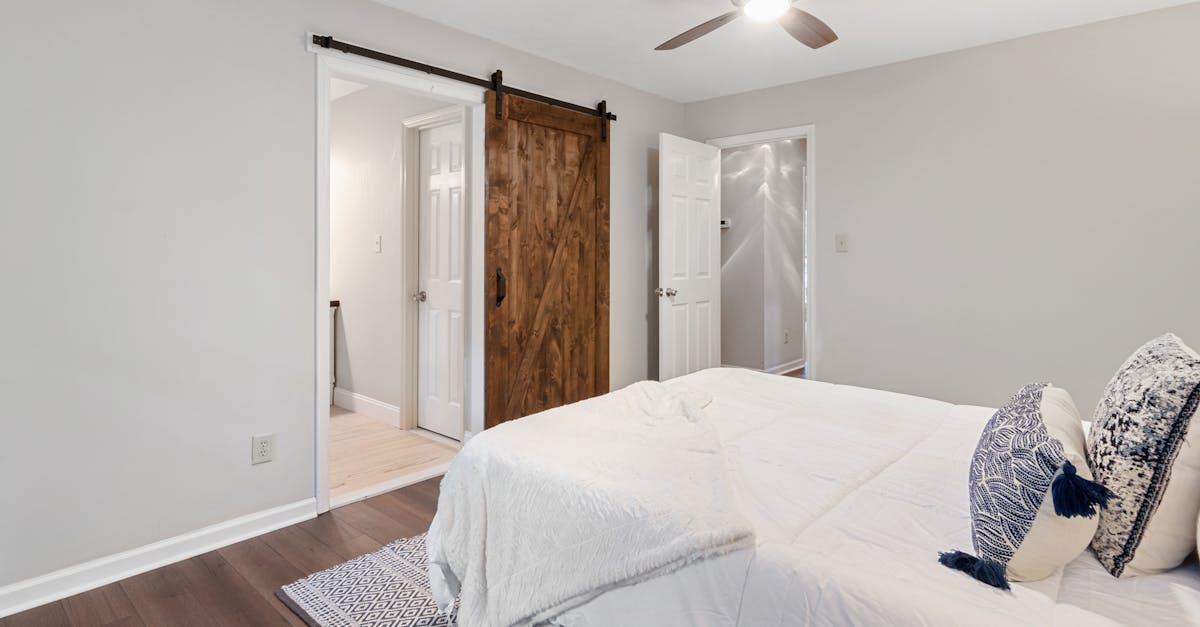
For bedrooms, Ikea interior design is all about storage. The MALM bed with drawers underneath is a lifesaver in small rooms. Pair it with a HEMNES nightstand and a soft, neutral duvet. Hang curtains high to make the ceiling feel taller. If you’re short on closet space, try the PAX wardrobe system—it’s customizable and surprisingly sleek. For items that still don’t fit in your wardrobe or under-bed storage, renting self storage units Fayetteville can be a convenient way to keep seasonal clothes, extra furniture, or personal belongings safely stored while maintaining a clean and clutter-free bedroom.
Kitchen: Smart Storage, Easy Style
Ikea kitchens are famous for a reason. The SEKTION system lets you design cabinets to fit any layout. Add pull-out drawers, spice racks, and organizers to keep everything tidy. For a quick update, swap cabinet handles or add a colorful rug. If you love to entertain, a drop-leaf table like NORDEN gives you extra space when you need it.
Workspace: Productivity Without the Stress
Working from home? Ikea interior design makes it easy to carve out a workspace, even in a small apartment. The LINNMON desk is affordable and comes in different sizes. Pair it with an ergonomic chair and a pegboard for supplies. Add a plant or two for a touch of green—studies show it really does boost your mood.
Common Mistakes (and How to Avoid Them)
- Buying everything at once: It’s tempting, but your space will feel flat. Start with essentials, then layer in personality over time.
- Ignoring lighting: Overhead lights alone make rooms feel harsh. Mix floor, table, and wall lights for warmth.
- Skipping the “hack”: Ikea interior design is famous for hacks. Paint, swap legs, or add hardware to make pieces your own.
- Forgetting comfort: Test sofas and chairs in-store if you can. Looks matter, but comfort lasts.
Here’s why these mistakes happen: It’s easy to get caught up in the excitement of a fresh start. But the best Ikea interior design happens when you slow down and let your space evolve.
Personal Touches: Making Ikea Feel Like You
If you’ve ever walked into an Ikea showroom and thought, “This looks great, but it’s not me,” you’re not alone. The secret is layering in your story. Hang photos from your travels. Add a vintage vase from your grandmother. Drape a handmade quilt over the sofa. Ikea interior design gives you the bones—your life adds the soul.
Next Steps: Your Ikea Interior Design Journey
Ready to try Ikea interior design? Start with one room. Make a list of what you need, then visit the store or browse online. Don’t rush. Sit on the sofas, open the drawers, and imagine your daily life. Remember, the goal isn’t perfection—it’s a home that feels good to you.
If you make a mistake (we all do), that’s part of the process. Maybe you buy a chair that’s too small or a lamp that’s too bright. Learn, adjust, and keep going. The best spaces tell a story—and yours is just getting started.